
Recipe Snapshot
Recipe at a Glance
Key timing, yield and style details before you start cooking.
Ingredient Interaction and Structural Balance
This salad relies on the interplay between smoky-sweet barbecue sauce, protein-rich chicken, and the starch-protein matrix of black beans and corn. The sauce’s sugar content aids caramelisation during searing, while its acidity balances the fat from the dressing base. Corn adds natural sweetness and moisture retention, offsetting the fibrous density of beans. The inclusion of crisp vegetables introduces hydration and textural contrast, preventing the salad from becoming heavy. Salt calibration is critical; beans absorb seasoning slowly, so early seasoning ensures even distribution. The dressing’s emulsified fat phase stabilises the mix, coating ingredients evenly without pooling.
Heat Management and Cooking Control
Chicken must be seared over medium-high heat to achieve Maillard browning without burning the barbecue glaze. Temperature staging is essential: initial sear to lock surface moisture, followed by a brief covered rest to complete internal cooking through carryover heat. Corn can be grilled or pan-seared to develop light char, enhancing sweetness through controlled caramelisation. Overheating the sauce leads to sugar scorching, so glaze application occurs in the final minute of cooking. Proper cooling before assembly prevents residual heat from wilting greens or destabilising the dressing’s emulsion.
Transformation and Flavour Development
During cooking, the chicken’s surface proteins denature and form a cohesive crust that traps juices. The glaze thickens through reduction, concentrating smoky and acidic notes. Grilled corn undergoes starch gelatinisation and sugar caramelisation, producing a nutty sweetness that complements the savoury base. Black beans contribute earthy depth and structural body, while the dressing’s acid-fat balance lifts the overall flavour. The final toss integrates all components, distributing the glaze residue into the salad matrix and creating a cohesive, layered taste profile.
Workflow Efficiency and Assembly Logic
Efficient mise en place ensures smooth execution: cook and cool chicken and corn before chopping vegetables. Beans should be drained and rinsed early to remove excess starch and sodium. Dressing preparation can occur while proteins rest, allowing flavours to integrate. Assembly should be sequential—greens first, then bulk ingredients, followed by dressing and final garnish—to maintain structural integrity. Avoid overmixing; gentle folding preserves leaf volume and prevents sauce dilution. This workflow minimises downtime and maintains temperature control across all components.
Regional and Culinary Context
This dish draws from American barbecue traditions, particularly the Southern and Southwestern regions where smoked meats, corn, and beans are foundational. The salad format represents a modern adaptation, integrating grilled protein and legumes into a cold composition for efficiency and balance. The use of barbecue sauce as both glaze and flavouring agent reflects cross-application of regional condiments into lighter preparations. The result maintains the smoky-sweet identity of barbecue while aligning with contemporary preferences for fresh, high-protein salads.
Recipe Education
Learn the Skills Behind This Recipe
Build confidence with cooking skills, techniques, and tools used in this recipe.
How to Fry Properly
Understand pan heat, oil temperature, and how to get better frying results.
Recommended for the fry method used in this recipe.
Cooking Basics
Build safer knife preparation, heat control, timing, and everyday kitchen confidence.
Helpful when using chef knife during preparation.
Teaspoons to Grams
Use small-measure conversions more accurately in cooking and baking.
Helpful when using measuring spoons during preparation.
Baking Tools Guide
Understand essential tools for mixing, measuring, and preparing recipes.
Helpful when using mixing bowl during preparation.


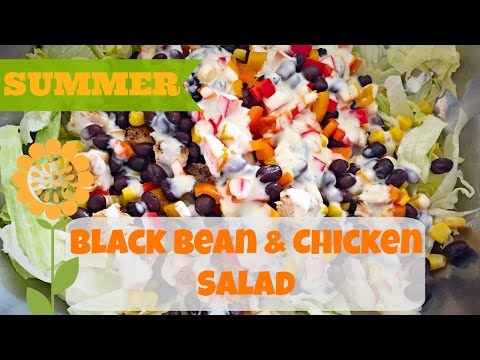
BBQ Chicken Salad with Corn and Black Beans
Description
This salad relies on the interplay between smoky-sweet barbecue sauce, protein-rich chicken, and the starch-protein matrix of black beans and corn. The sauce’s sugar content aids caramelisation during searing, while its acidity balances the fat from the dressing base. Corn adds natural sweetness and moisture retention, offsetting the fibrous density of beans. The inclusion of crisp vegetables introduces hydration and textural contrast, preventing the salad from becoming heavy. Salt calibration is critical; beans absorb seasoning slowly, so early seasoning ensures even distribution. The dressing’s emulsified fat phase stabilises the mix, coating ingredients evenly without pooling.
Ingredients
Ingredients
Instructions
Instructions
Step 1
Season chicken breast with half the salt and pepper. Heat a Non-stick Skillet over medium-high heat and sear chicken for 3–4 minutes per side until golden. Brush with half the barbecue sauce during the final minute to glaze lightly.Apply glaze only after initial sear to prevent sugar burn.Step 2
Transfer chicken to a plate, cover loosely with foil, and rest for 5 minutes to allow carryover cooking. Slice into strips once internal temperature reaches 74°C.Resting equalises internal moisture and prevents surface weeping.Step 3
In the same Non-stick Skillet, add corn kernels and cook over medium heat for 3–4 minutes until lightly charred. Remove and cool to room temperature.Avoid stirring constantly; static contact promotes even caramelisation.Step 4
Combine olive oil, lime juice, remaining barbecue sauce, and remaining salt and pepper in a Mixing Bowl. Whisk until emulsified to form the dressing.Gradual oil incorporation stabilises the emulsion and prevents separation.Step 5
In a large Mixing Bowl, layer romaine lettuce, black beans, corn, cherry tomatoes, and red onion. Add sliced chicken and drizzle dressing evenly. Toss gently to coat without compressing greens.Use folding motions rather than stirring to preserve leaf structure.Step 6
Transfer salad to serving plates and garnish with chopped fresh coriander. Serve immediately at room temperature.Add herbs at plating to retain volatile aroma compounds.
Recommended Equipment

Nutrition Facts
Servings 4
Serving Size 1 portion
- Amount Per Serving
- Calories 327.54kcal
- % Daily Value *
- Total Fat 10.46g17%
- Saturated Fat 1.7g9%
- Cholesterol 64mg22%
- Sodium 766.79mg32%
- Potassium 784.96mg23%
- Total Carbohydrate 32.65g11%
- Dietary Fiber 5.41g22%
- Sugars 15.22g
- Protein 26.47g53%
- Vitamin A 2577.94 IU
- Vitamin C 10.51 mg
- Calcium 45.63 mg
- Iron 2 mg
- Vitamin E 1.72 mg
- Vitamin K 39.4 mcg
- Thiamin 0.21 mg
- Riboflavin 0.21 mg
- Niacin 11.45 mg
- Vitamin B6 0.87 mg
- Folate 115.9 mcg
- Vitamin B12 0.2 mcg
- Pantothenic Acid 1.81 mg
- Phosphorus 306.58 mg
- Magnesium 70.03 mg
- Zinc 1.31 mg
- Selenium 33.46 mcg
- Copper 0.19 mg
- Manganese 0.39 mg
* Nutrition information is provided as an estimate per serving and may vary depending on the ingredients, brands, substitutions, portion sizes and preparation methods used. Percent Daily Values (%DV) are based on U.S. FDA reference values for a 2,000-calorie diet and are intended as a general guide only. Individual nutritional needs vary. This information is not a substitute for advice from a registered dietitian or other qualified healthcare professional.
Note
For best structural retention, cool uncovered briefly before storage to prevent trapped steam from softening exterior crust or caramelised surfaces. The resting phase supports structural stabilisation and moisture redistribution. Cutting or serving too early may compromise internal balance. Spice intensity can deepen over time as volatile compounds settle. Taste and adjust seasoning after resting. When reheating crisp components, use dry heat rather than microwave methods to maintain exterior texture. Acid balance may soften slightly over time; a final adjustment before serving restores clarity.


