
Recipe Snapshot
Recipe at a Glance
Key timing, yield and style details before you start cooking.
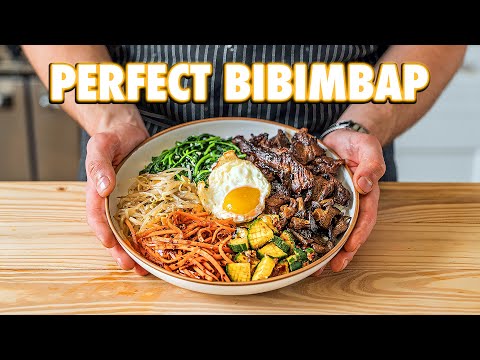
Bibimbap is a vibrant and harmonious Korean dish that artfully combines a variety of ingredients, including rice, seasoned vegetables, protein, and a rich gochujang sauce, all topped with a perfectly fried egg. This culinary masterpiece not only delights the palate with its colorful presentation but also offers a balance of textures and flavors that tantalize the senses.
Origin and Cultural Significance
Bibimbap has a rich history that dates back to the late 19th century, originating from the traditional Korean practice of mixing leftover ingredients. The name “bibimbap” translates to “mixed rice,” reflecting the very essence of the dish—an amalgamation of various elements that come together to create something greater than the sum of its parts. It is often served during special occasions and celebrations, symbolizing abundance and harmony. The dish embodies the Korean philosophy of balance, where each component represents a different aspect of life, harmonizing on one plate.
Unique Ingredients and Flavors
The beauty of bibimbap lies not only in its history but also in its unique ingredients. Each vegetable—be it the crispness of the cucumber, the earthiness of the mushrooms, or the sweetness of the carrots—contributes its own distinct flavor and texture. The star of the dish, gochujang, is a fermented red chili paste that adds a spicy depth, while sesame oil provides a nutty richness. The dish’s crowning glory is the fried egg, with its luscious yolk that, when stirred in, creates a creamy sauce that binds the ingredients together. The combination of these flavors results in a dish that is as comforting as it is sophisticated, making it a quintessential representation of Korean culinary artistry.
By embracing bibimbap, you’re not just enjoying a meal; you’re partaking in a culinary tradition that celebrates the importance of balance, flavor, and togetherness, all on one beautifully arranged plate.
Recipe Education
Learn the Skills Behind This Recipe
Build confidence with cooking skills, techniques, and tools used in this recipe.
Cookware Guide
Learn which pots and pans work best for frying, sautéing, simmering, and roasting.
Helpful when using saucepan during preparation.
How to Boil Properly
Learn boiling times, temperature control, and how to avoid overcooking.
Recommended for the boil method used in this recipe.
How to Fry Properly
Understand pan heat, oil temperature, and how to get better frying results.
Recommended for the fry method used in this recipe.
Baking Tools Guide
Understand essential tools for mixing, measuring, and preparing recipes.
Helpful when using mixing bowl during preparation.
How to Sauté Properly
Master fast cooking, pan heat, and ingredient timing for better texture.
Recommended for the saute method used in this recipe.
Cooking Basics
Build safer knife preparation, heat control, timing, and everyday kitchen confidence.
Helpful when using chef knife during preparation.


Bibimbap
Description
Bibimbap, meaning 'mixed rice', is a delightful combination of flavors and textures, making it a beloved comfort food that brings warmth and satisfaction to the table.
(Mixed Rice Bowl with Vegetables and Egg)
Ingredients
Bibimbap Ingredients
Instructions
Prepare the Rice
Cook the Rice
Rinse 2 cups of short-grain rice under cold water until the water runs clear. Drain and soak the rice in water for 30 minutes. Then, combine the soaked rice with 2 1/2 cups of water in a rice cooker or pot. If using a pot, bring to a boil, then reduce to low heat, cover, and simmer for 18-20 minutes until tender. Allow to rest for 10 minutes before fluffing with a fork.For the best texture, use sticky short-grain rice, which is traditional for bibimbap.
Prepare the Vegetables
Sauté the Vegetables
Select a variety of vegetables such as spinach, carrots, zucchini, mushrooms, and bean sprouts. Julienne the carrots and zucchini, and slice the mushrooms. Sauté each vegetable separately in a little sesame oil over medium heat until tender, seasoning lightly with salt. For spinach, blanch it in boiling water for 30 seconds, then drain and season with sesame oil and salt.Cooking the vegetables separately helps maintain their distinct flavors and colors.
Prepare the Protein
Cook the Protein
If using beef, thinly slice 8 ounces of ribeye or sirloin. Marinate it for at least 30 minutes in a mixture of soy sauce, garlic, sesame oil, and a sprinkle of sugar. Cook in a hot skillet until browned and cooked to your liking. If using tofu, cut it into cubes and pan-fry until golden and crispy.You can also top the bibimbap with a fried egg for added richness.
Assemble the Bibimbap
Layer the Ingredients
In a large bowl or plate, start with a base of the warm rice. Neatly arrange the sautéed vegetables and protein on top of the rice, creating a beautiful rainbow effect. Add a dollop of gochujang (Korean chili paste) in the center, adjusting the amount to your spice preference.Feel free to get creative with your arrangement—presentation is key in making it visually appealing.
Final Touches
Serve and Enjoy
Drizzle a little sesame oil over the top and sprinkle with sesame seeds. For added crunch, you can garnish with sliced nori (seaweed) or chopped green onions. Serve immediately, and mix everything together before eating to blend the flavors.Encourage guests to mix the bibimbap themselves—it's part of the fun!
Equipment

Nutrition Facts
Servings 2
- Amount Per Serving
- Calories 634.99kcal
- % Daily Value *
- Total Fat 17.79g28%
- Saturated Fat 3.53g18%
- Cholesterol 186mg62%
- Sodium 685.23mg29%
- Potassium 1264.39mg37%
- Total Carbohydrate 99.17g34%
- Dietary Fiber 6.73g27%
- Sugars 8.27g
- Protein 21.84g44%
- Vitamin A 15791.25 IU
- Vitamin C 40.25 mg
- Calcium 208.93 mg
- Iron 5.63 mg
- Vitamin D 1.14 mcg
- Vitamin E 2.76 mg
- Vitamin K 380.93 mcg
- Thiamin 0.34 mg
- Riboflavin 0.86 mg
- Niacin 6.59 mg
- Vitamin B6 0.72 mg
- Folate 233.99 mcg
- Vitamin B12 0.47 mcg
- Pantothenic Acid 3.32 mg
- Phosphorus 413.05 mg
- Magnesium 138.44 mg
- Zinc 3.32 mg
- Selenium 40.26 mcg
- Copper 0.9 mg
- Manganese 2.17 mg
* Nutrition information is provided as an estimate per serving and may vary depending on the ingredients, brands, substitutions, portion sizes and preparation methods used. Percent Daily Values (%DV) are based on U.S. FDA reference values for a 2,000-calorie diet and are intended as a general guide only. Individual nutritional needs vary. This information is not a substitute for advice from a registered dietitian or other qualified healthcare professional.
Note
- Use short-grain rice for the best texture; it’s sticky and holds together well.
- Prepare each vegetable separately to maintain their unique flavors and textures; blanch or sauté them lightly.
- Marinate the beef in a mixture of soy sauce, sesame oil, garlic, and sugar for at least 30 minutes for enhanced flavor.
- Fry the egg sunny-side up or over-easy for a rich, runny yolk that coats the rice beautifully.
- Gochujang (Korean chili paste) is essential for the authentic flavor; adjust the amount based on your spice tolerance.
- For added umami, consider incorporating sautéed mushrooms or kimchi.
- Serve with a drizzle of sesame oil and sprinkle of sesame seeds for an aromatic finish.
- Mix the ingredients thoroughly before eating to ensure every bite is flavorful.
- Customize with seasonal vegetables or proteins to keep it fresh and exciting.


