Brazil Rice with Onion and Corn

Servings: 4 Total Time: 44 mins Difficulty: Intermediate
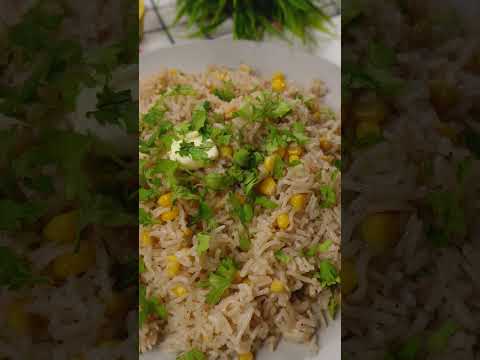
Brazil Rice with Onion and Corn, savory, cohesive, stovetop-boiled and served hot
Brazil Rice with Onion and Corn pinit

Recipe Snapshot

Recipe at a Glance

Key timing, yield and style details before you start cooking.

Prep TimeActive preparation
Cook TimeApplied cooking time
Total TimeIncludes resting time
Servings4 portionsExpected yield
DifficultyIntermediateKitchen skill level
Cuisine / StyleSouth AmericanCooking method · Boiling

Why this dish works

This main-course rice keeps the grain in the lead, with onion bringing sweetness and corn adding gentle pops of texture. The result is defined and savory, with enough body to stand on its own as a hot centerpiece.

What to expect in the pot

The method is straightforward boiling with a covered finish, but the key is moisture control. Watch for the liquid level to drop just below the rice before covering tightly, so the grains steam through instead of turning flat or watery.

How to serve it well

Serve this rice hot as soon as it has rested and been fluffed. A spoonable, cohesive finish is ideal, and you should avoid leaving it uncovered too long or the surface will dry while the center loses its clean texture.

Brazil Rice with Onion and Corn

Difficulty: Intermediate Prep Time 12 mins Cook Time 22 mins Rest Time 10 mins Total Time 44 mins
Cooking Temp: 95  C Servings: 4 Estimated Cost: $ 8.50 Calories: 421.33

Description

A savory Brazilian-style rice main where onion and corn support the rice without overpowering it. The grains cook fully and stay cohesive rather than wet, making this a simple center-of-plate dish that carries well from stove to table.

Ingredients

Cooking Mode Disabled

Ingredients

Instructions

Video

Instructions

  1. Step 1

    Rinse the long-grain white rice under cool water until the runoff is mostly clear, then drain well. Finely dice the onion, chop the garlic, measure the sweet corn kernels, and heat the water separately so it is ready to add hot.
    Starting with drained rice and hot water helps the grains cook evenly and keeps the pot from cooling suddenly.
  2. Step 2

    Set a medium saucepan over medium heat and add the neutral oil. Add the onion with a small pinch of the salt and cook for 4 to 5 minutes until softened and lightly translucent, then stir in the garlic for 30 seconds.
    Do not brown the onion deeply; a pale golden edge is enough for sweetness without pushing the dish away from its clean rice flavor.
  3. Step 3

    Add the drained rice to the saucepan and stir for 1 to 2 minutes so the grains are coated in oil with the onion and garlic. Stir in the sweet corn kernels, black pepper, and the remaining salt.
    This brief toasting step helps the rice stay separate yet cohesive after boiling.
  4. Step 4

    Pour in the 700 ml hot water, stir once, and bring the pot to a steady simmer. Once small active bubbles cover the surface, reduce the heat to low so the cooking liquid stays around 95 C, cover tightly, and cook for 15 minutes.
    A gentle simmer is the control point here; hard boiling can break the grains and leave the bottom wet while the top dries.
  5. Step 5

    After 15 minutes, uncover briefly and check that most of the water has been absorbed and the rice surface shows small steam holes. Dot the top with the unsalted butter, cover again, and let the rice sit off the heat for 10 minutes.
    The rest lets the butter melt through the rice and finishes any slightly firm center without adding more liquid.
  6. Step 6

    Fluff the rice gently with a fork, lifting from the bottom so the onion and corn distribute evenly. Taste and adjust with more salt if needed, then finish with chopped parsley to taste and serve hot.
    Use a lifting motion rather than stirring hard, or the rice can compact and lose its defined grain.
Saucepan, Sieve, Cutting Board, Measuring Jug, Chef Knife, Whisk

Nutrition Facts

Servings 4

Serving Size 1 serving


Amount Per Serving
Calories 421.33kcal
% Daily Value *
Total Fat 11.35g18%
Saturated Fat 2.74g14%
Cholesterol 8.06mg3%
Sodium 895.14mg38%
Potassium 257.83mg8%
Total Carbohydrate 72.72g25%
Dietary Fiber 3.05g13%
Sugars 4.28g
Protein 7.35g15%

Vitamin A 457.03 IU
Vitamin C 10.23 mg
Calcium 51.74 mg
Iron 1.18 mg
Vitamin E 1.5 mg
Vitamin K 72.04 mcg
Thiamin 0.1 mg
Riboflavin 0.1 mg
Niacin 1.83 mg
Vitamin B6 0.23 mg
Folate 39.4 mcg
Pantothenic Acid 1.04 mg
Phosphorus 130.13 mg
Magnesium 35.08 mg
Zinc 1.14 mg
Selenium 12.27 mcg
Copper 0.25 mg
Manganese 1.05 mg

* Nutrition information is provided as an estimate per serving and may vary depending on the ingredients, brands, substitutions, portion sizes and preparation methods used. Percent Daily Values (%DV) are based on U.S. FDA reference values for a 2,000-calorie diet and are intended as a general guide only. Individual nutritional needs vary. This information is not a substitute for advice from a registered dietitian or other qualified healthcare professional.

Note

Rinse and drain the rice thoroughly so the grains absorb cleanly and do not form a gummy layer around the corn. Sweat the onion before adding rice so its sweetness is built into the pot rather than sitting sharp on top. Keep the lid closed during the low simmer to preserve even steam and prevent patchy hydration across the surface. Finish with butter only after the liquid is absorbed so the grains stay glossy without turning greasy or heavy. Related guide: Cookware Guide - https://recipewanted.com/education/kitchen-equipment-guides/cookware-guide/

Keywords: Brazil rice, rice with onion and corn, Brazilian rice main, stovetop rice recipe, savory corn rice, onion rice
Rate this recipe

Why this dish works

This main-course rice keeps the grain in the lead, with onion bringing sweetness and corn adding gentle pops of texture. The result is defined and savory, with enough body to stand on its own as a hot centerpiece.

What to expect in the pot

The method is straightforward boiling with a covered finish, but the key is moisture control. Watch for the liquid level to drop just below the rice before covering tightly, so the grains steam through instead of turning flat or watery.

How to serve it well

Serve this rice hot as soon as it has rested and been fluffed. A spoonable, cohesive finish is ideal, and you should avoid leaving it uncovered too long or the surface will dry while the center loses its clean texture.

Chef's Notes

I keep the onion diced small and the corn measured before the pot goes on, because this recipe moves quickly once the rice hits the oil. On pickup, I look for small steam holes across the surface and a light gloss after the butter melts in; if the top still looks wet and shiny with loose liquid, I give it another covered minute off the heat before fluffing or the spoonfuls will sit heavy on the plate.

Regional Context

This rice reflects everyday Brazilian home-style stovetop cooking, where well-seasoned rice is treated as a central part of the meal and finished with a clean, savory profile rather than a heavy sauce.

What to Serve Alongside

  • Black beans with a light broth give the rice a classic, hearty partner without masking the onion and corn.
  • Grilled chicken thighs with garlic and lime add protein while keeping the plate balanced and straightforward.
  • Pan-seared white fish brings a lighter contrast that lets the sweet corn remain noticeable in each bite.
  • A tomato and lettuce salad with a sharp vinaigrette cuts through the warm starch and freshens the plate.

Serving Notes

  • Fluff just before serving so the grains stay lifted and the corn remains evenly distributed through the pot.
  • Use a broad spoon to plate the rice loosely rather than pressing it down, which can make it look dense.
  • Serve immediately after the resting period while the butter gloss is still visible and the onion aroma is fresh.
  • If holding briefly, keep the pot covered off heat and uncover only when ready to portion to avoid surface drying.

Swaps and Variations

  • Use finely sliced shallot in place of onion for a milder sweetness, but keep the quantity slightly lower to avoid softness.
  • Swap butter for extra neutral oil if needed, though the final gloss will be less rounded and aromatic.
  • Replace parsley with chopped spring onion tops for a greener finish that still suits the savory profile.
  • Use vegetable stock instead of water for deeper savoriness, but reduce added salt until the final taste check.

What to Pour With It

  • A light lager works well because its crisp finish clears the palate between buttery rice spoonfuls.
  • A dry white wine such as Sauvignon Blanc complements the sweet corn without adding weight.
  • Sparkling water with lime keeps the meal bright and lets the onion aroma stay in focus.
  • A mild guava spritzer offers a soft fruit note that does not compete with the savory base.

How It Should Taste

  • Savory rice flavor stays in front, supported by softened onion sweetness throughout the pot.
  • Corn adds gentle sweetness and small juicy bursts without turning the dish sugary.
  • Butter at the finish gives a light rounded richness rather than a creamy sauce effect.
  • Parsley adds a fresh top note that lifts the warm grain and vegetable base.

What to Watch in the Pan

  • The onion should look translucent with only faint golden edges before the rice is added to the pan.
  • After adding water, the surface should move with small active bubbles rather than a rolling aggressive boil.
  • By the end of the covered cook, most visible liquid should be gone and steam holes should dot the top.
  • After resting, the grains should fluff apart easily while still holding together in a spoonable mound.

Where It Can Go Wrong

  • Using too much water leaves the lower layer wet and prevents the rice from finishing with a defined structure.
  • Cooking over high heat after covering can split grains and create uneven texture between top and bottom.
  • Stirring repeatedly once the simmer begins releases starch and makes the finished rice heavier than intended.
  • Skipping the resting time can leave the center slightly underdone even when the surface appears finished.

What the Finished Texture Should Be

  • The rice should be fully cooked and tender, with grains that feel distinct rather than mushy.
  • Corn should stay plump and lightly juicy, giving small pops against the softer onion base.
  • The finished pot should feel cohesive on the spoon but never wet, soupy, or compressed.
  • A light butter gloss should coat the grains without making them slick or oily.

Frequently Asked Questions

Expand All:

Can I make this rice ahead for service later the same day?

Yes, cook it fully, rest and fluff it, then hold it covered in a warm spot briefly or cool it quickly for later reheating without trapping excess steam.

How should I store leftovers safely?

Cool the rice promptly, transfer it to a shallow airtight container, and refrigerate within two hours so the grains stay safe and do not turn damp.

Can this dish be frozen?

Portion the cooled rice into freezer-safe containers, press out excess air, and freeze for up to one month for the best grain quality after reheating.

What is the best way to reheat it without drying it out?

Sprinkle in a little water, cover the rice, and reheat gently on the stove or in the microwave until steaming hot, then fluff before serving.

Can I use brown rice instead of white rice?

Brown rice works, but it needs more water and a longer covered cook, so expect a firmer bite and a less delicate onion-corn balance.

Why do I rinse the rice before cooking?

Removing surface starch helps the grains cook more cleanly and keeps the finished pot cohesive instead of sticky or muddy around the corn.

How do I know when the rice is done?

Look for steam holes on the surface, almost no visible free liquid, and grains that are tender through the center when tasted after the resting period.

Why did my rice turn watery at the bottom?

That usually comes from too much water, a loose lid, or stirring after the simmer starts, which disrupts even absorption across the pot.

What should I serve with this as a main?

It pairs well with grilled chicken, pan-seared fish, black beans, or fried plantain, depending on whether you want a lighter or fuller plate.

Can I double the recipe for a larger group?

Yes, but use a wider pot with a tight lid so the rice layer is not too deep, and add a few extra minutes if needed.

Can I swap the corn for peas or diced carrots?

Other vegetables can be used, but they change the sweetness and moisture, so add them in modest amounts to keep the rice leading the dish.

How long can the cooked rice sit before serving?

For best quality, serve within about 20 minutes of fluffing, because longer holding can dry the top while the lower layer compacts.

Rate this recipe

Your email address will not be published. Required fields are marked *

Rate this recipe

Add a question

Your email address will not be published. Required fields are marked *