
Recipe Snapshot
Recipe at a Glance
Key timing, yield and style details before you start cooking.
Ingredient Matrix and Structural Balance
Breakfast bibimbap relies on controlled starch hydration from short-grain rice, which must retain cohesive stickiness without excess surface moisture. The yolk fat from the fried egg emulsifies with gochujang and sesame oil, forming a natural sauce that binds the grains. Vegetables such as spinach and carrots introduce moisture and fiber contrast, while sautéed mushrooms contribute umami depth. Salt and acid from kimchi balance the fat load, preventing palate fatigue. The sequencing of hot rice beneath cooler toppings ensures thermal layering that maintains textural integrity during service.
Heat Management and Moisture Control
Temperature staging is critical: rice must be hot enough to activate residual steam for topping adhesion, while vegetables are cooked separately to avoid cross-watering. Sautéing each component in a Non-stick Skillet over medium heat allows precise evaporation without scorching. The fried egg requires high initial heat for crisp edges, then reduced heat to set the yolk without overcooking. Carryover heat from the rice gently warms the toppings, creating a balanced temperature gradient across the bowl. Excess moisture must be drained from blanched spinach and sautéed mushrooms to prevent soggy layering.
Transformation and Textural Development
Each component undergoes a distinct transformation: carrots soften slightly through brief sautéing, spinach compresses under blanching and seasoning, and mushrooms concentrate flavour through reduction. The rice base stabilises structure by absorbing released juices. The final assembly depends on controlled layering—dense rice at the bottom, moisture-moderated vegetables in the middle, and the egg on top. When mixed before eating, the yolk and gochujang integrate into a cohesive emulsion, coating each grain. This controlled mixing transforms discrete textures into a unified, balanced matrix of heat, fat, and acidity.
Workflow Efficiency and Mise en Place Logic
Parallel preparation is essential to maintain temperature and texture. Rice should be cooked first and held covered. While it rests, vegetables are sequentially blanched or sautéed using the same pan to minimise cleanup and heat loss. The egg is cooked last to ensure immediate service with a runny yolk. Mise en place organisation—pre-sliced vegetables, pre-portioned sauces—reduces service lag and prevents overcooking. Each component must be seasoned independently before assembly to avoid bland layering. Efficient sequencing ensures consistent temperature and structural cohesion at plating.
Cultural and Technical Lineage
Bibimbap originates from Korean temple and royal cuisine, where rice and assorted vegetables were combined for balanced nutrition and visual harmony. The breakfast adaptation maintains the same structural logic but introduces a fried egg as the primary protein and morning-friendly fat source. The technique of layering warm rice with seasoned vegetables and gochujang reflects traditional Korean bowl composition, while the simplified skillet-based preparation adapts it for modern kitchens. The dish retains its cultural identity through ingredient ratios and the emphasis on balance between heat, texture, and colour.
Recipe Education
Learn the Skills Behind This Recipe
Build confidence with cooking skills, techniques, and tools used in this recipe.
How to Boil Properly
Learn boiling times, temperature control, and how to avoid overcooking.
Recommended for the boil method used in this recipe.
How to Fry Properly
Understand pan heat, oil temperature, and how to get better frying results.
Recommended for the fry method used in this recipe.
Cups to Grams
Convert cup measurements more accurately to improve recipe consistency.
Helpful when using measuring cups during preparation.
Teaspoons to Grams
Use small-measure conversions more accurately in cooking and baking.
Helpful when using measuring spoons during preparation.
Baking Tools Guide
Understand essential tools for mixing, measuring, and preparing recipes.
Helpful when using mixing bowl during preparation.
How to Sauté Properly
Master fast cooking, pan heat, and ingredient timing for better texture.
Recommended for the saute method used in this recipe.


Breakfast Bibimbap
Description
Breakfast bibimbap relies on controlled starch hydration from short-grain rice, which must retain cohesive stickiness without excess surface moisture. The yolk fat from the fried egg emulsifies with gochujang and sesame oil, forming a natural sauce that binds the grains. Vegetables such as spinach and carrots introduce moisture and fiber contrast, while sautéed mushrooms contribute umami depth. Salt and acid from kimchi balance the fat load, preventing palate fatigue. The sequencing of hot rice beneath cooler toppings ensures thermal layering that maintains textural integrity during service.
Ingredients
Ingredients
Instructions
Instructions
Step 1
Cook the short-grain rice and keep it hot, then season with sesame oil and soy sauce in a Mixing Bowl. Stir gently to coat evenly without crushing grains.Use freshly steamed rice; reheated rice loses surface starch and reduces binding capacity.Step 2
Blanch spinach in boiling water for 30 seconds, then shock in cold water. Squeeze dry and season lightly with salt. Set aside on a Cutting Board.Rapid cooling halts chlorophyll degradation, maintaining bright green colour and firm texture.Step 3
Heat vegetable oil in a Non-stick Skillet over medium heat. Sauté carrots for 1–2 minutes until slightly softened, then remove. Add mushrooms and cook until moisture evaporates and edges brown.Avoid overcrowding the pan; excess steam prevents proper browning and flavour concentration.Step 4
In the same skillet, fry the egg over medium-high heat until whites are set and edges crisp, keeping the yolk runny. Season with black pepper.Lower heat after initial sizzle to prevent overcooking the yolk while achieving crisp edges.Step 5
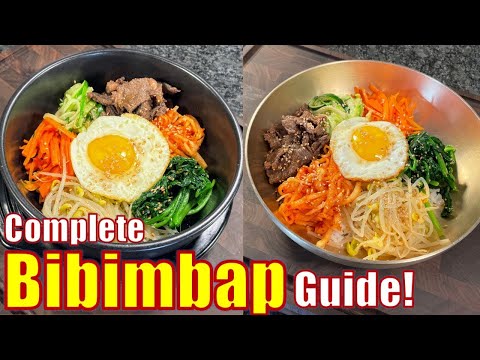
Mix gochujang with rice vinegar in a small Mixing Bowl to form a pourable sauce. Arrange rice in a bowl, top with spinach, carrots, mushrooms, kimchi, and the fried egg. Drizzle sauce and sprinkle sesame seeds.Assemble quickly while rice is hot; residual heat activates the sauce and enhances aroma integration.
Recommended Equipment

Nutrition Facts
Servings 2
Serving Size 1 portion
- Amount Per Serving
- Calories 576.15kcal
- % Daily Value *
- Total Fat 19.66g31%
- Saturated Fat 3.38g17%
- Cholesterol 81.84mg28%
- Sodium 369.47mg16%
- Potassium 892.82mg26%
- Total Carbohydrate 87.93g30%
- Dietary Fiber 7.06g29%
- Sugars 4.12g
- Protein 13.85g28%
- Vitamin A 11520.93 IU
- Vitamin C 17.77 mg
- Calcium 126.2 mg
- Iron 4.49 mg
- Vitamin D 0.6 mcg
- Vitamin E 2.2 mg
- Vitamin K 267.02 mcg
- Thiamin 0.51 mg
- Riboflavin 0.39 mg
- Niacin 7.1 mg
- Vitamin B6 0.88 mg
- Folate 150.31 mcg
- Vitamin B12 0.2 mcg
- Pantothenic Acid 2.58 mg
- Phosphorus 409.25 mg
- Magnesium 205.88 mg
- Zinc 3.21 mg
- Selenium 10.13 mcg
- Copper 0.49 mg
- Manganese 4.38 mg
* Nutrition information is provided as an estimate per serving and may vary depending on the ingredients, brands, substitutions, portion sizes and preparation methods used. Percent Daily Values (%DV) are based on U.S. FDA reference values for a 2,000-calorie diet and are intended as a general guide only. Individual nutritional needs vary. This information is not a substitute for advice from a registered dietitian or other qualified healthcare professional.
Note
For best structural retention, cool uncovered briefly before storage to prevent trapped steam from softening exterior crust or caramelised surfaces. Adequate chilling or marination enhances aromatic absorption and improves cohesion between fat, acid, and seasoning components. Grains and starches continue absorbing moisture after cooking. Adjust liquid slightly when reheating to restore optimal consistency. When reheating crisp components, use dry heat rather than microwave methods to maintain exterior texture. Acid balance may soften slightly over time; a final adjustment before serving restores clarity.


