
Recipe Snapshot
Recipe at a Glance
Key timing, yield and style details before you start cooking.
Fat Integration and Moisture Retention
Cabbage structure relies on controlled fat absorption and moisture balance. Butter coats the cell walls, moderating water release during heat exposure and preventing rapid collapse. Salt draws internal moisture, initiating mild osmosis that softens the leaves without leaching flavour. The ratio of butter to cabbage mass determines gloss and mouthfeel; too little fat yields a dry texture, while excess causes greasy pooling. Acidic seasoning, if used, should be minimal to avoid curdling the milk solids in butter. Uniform slicing ensures even hydration and consistent tenderness across the batch.
Thermal Management and Evaporation Control
Heat staging defines the success of buttered cabbage. Initial high heat activates butter foaming and drives off water, allowing light browning and nutty aroma development. Once cabbage is introduced, the pan must shift to medium heat to maintain steam retention without scorching. Excessive heat leads to uneven softening and bitter caramelisation. Controlled evaporation concentrates flavour while maintaining pliable texture. The lid can be used intermittently to trap steam and accelerate softening, but must be removed before finishing to allow residual moisture to evaporate for a clean, non-watery finish.
Textural Transformation and Flavour Concentration
During cooking, cabbage transitions from fibrous crispness to tender translucency through pectin breakdown and mild Maillard activity on the edges. Butter’s milk solids brown slightly, contributing depth and sweetness. The natural sulfur compounds mellow under moderate heat, producing a nutty, savoury aroma. Proper timing ensures the leaves remain intact yet supple, avoiding mushiness. The final texture should be tender with slight resistance at the core. Finishing with a small amount of fresh butter reintroduces gloss and reinforces the creamy mouthfeel lost during reduction.
Workflow Efficiency and Heat Distribution
Efficient mise en place reduces overcooking risk. Pre-slicing cabbage and portioning butter in advance allows immediate transitions between heat stages. Using a wide Saute Pan ensures even contact and prevents steaming from overcrowding. Stirring intervals must be consistent to distribute heat evenly and prevent localized browning. Professional kitchens often batch-cook in shallow layers to maintain uniformity and reheat gently before service. Home execution benefits from smaller batches to maintain control over moisture and temperature gradients.
Regional Context and Culinary Lineage
Buttered cabbage is rooted in European peasant cookery, particularly Irish and British traditions where dairy fat was used to enrich inexpensive vegetables. The technique evolved from boiled cabbage served with butter to pan-sautéed versions that preserve more flavour and texture. Similar preparations appear in Central European cuisines, often paired with caraway or onion. Modern adaptations maintain the same structural logic—fat integration and moisture control—but use refined butter and controlled heat to achieve a more balanced, restaurant-grade finish.
Recipe Education
Learn the Skills Behind This Recipe
Build confidence with cooking skills, techniques, and tools used in this recipe.
Cooking Basics
Build safer knife preparation, heat control, timing, and everyday kitchen confidence.
Helpful when using chef knife during preparation.
How to Sauté Properly
Master fast cooking, pan heat, and ingredient timing for better texture.
Recommended for the saute method used in this recipe.
Cookware Guide
Learn which pots and pans work best for frying, sautéing, simmering, and roasting.
Helpful when using frying pan during preparation.
Simmer vs Boil
Learn when to simmer, when to boil, and how each affects recipe results.
Recommended for the simmer method used in this recipe.


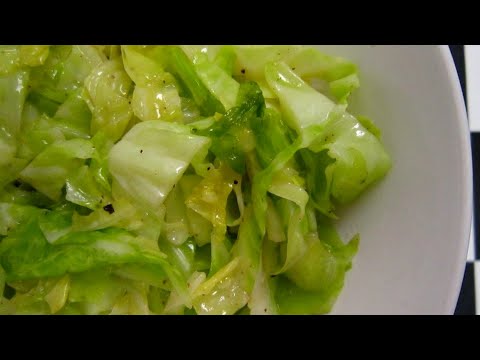
Buttered Cabbage
Description
Cabbage structure relies on controlled fat absorption and moisture balance. Butter coats the cell walls, moderating water release during heat exposure and preventing rapid collapse. Salt draws internal moisture, initiating mild osmosis that softens the leaves without leaching flavour. The ratio of butter to cabbage mass determines gloss and mouthfeel; too little fat yields a dry texture, while excess causes greasy pooling. Acidic seasoning, if used, should be minimal to avoid curdling the milk solids in butter. Uniform slicing ensures even hydration and consistent tenderness across the batch.
Ingredients
Ingredients
Instructions
Instructions
Step 1
Slice the green cabbage finely using a Chef Knife on a Cutting Board, discarding the core. Measure all ingredients before heating the pan.Uniform slicing ensures even softening and prevents uneven moisture release during cooking.Step 2
Heat 40 g of unsalted butter in a Saute Pan over medium-high heat until foaming subsides and butter turns pale golden.Monitor butter closely; once foaming reduces, milk solids begin to brown, signalling optimal aromatic development.Step 3
Add the sliced cabbage and salt. Stir with a Wooden Spoon to coat evenly in butter. Add 30 ml water, cover with a lid, and reduce heat to medium.Covering briefly traps steam, accelerating softening without losing structure; avoid prolonged steaming to prevent sogginess.Step 4
Cook for 6–8 minutes, stirring occasionally, until cabbage becomes tender and translucent. Remove the lid to allow excess moisture to evaporate.Uncovering at the right moment ensures reduction of residual liquid, concentrating flavour and maintaining a glossy finish.Step 5
Stir in the remaining 20 g butter and black pepper. Add lemon juice if using. Toss until butter melts and coats the cabbage evenly.Adding fresh butter off heat preserves its emulsion and enhances mouthfeel without splitting or greasiness.Step 6
Taste and adjust seasoning. Serve immediately while warm and glossy.Final seasoning calibration should occur hot, as salt perception diminishes slightly once cooled.
Recommended Equipment

Nutrition Facts
Servings 4
Serving Size 1 portion
- Amount Per Serving
- Calories 158.46kcal
- % Daily Value *
- Total Fat 12.38g20%
- Saturated Fat 7.78g39%
- Cholesterol 32.25mg11%
- Sodium 328.77mg14%
- Potassium 348.31mg10%
- Total Carbohydrate 11.86g4%
- Dietary Fiber 5.07g21%
- Sugars 6.44g
- Protein 2.72g6%
- Vitamin A 572.29 IU
- Vitamin C 73.7 mg
- Calcium 85.19 mg
- Iron 0.97 mg
- Vitamin D 0.22 mcg
- Vitamin E 0.65 mg
- Vitamin K 153.46 mcg
- Thiamin 0.12 mg
- Riboflavin 0.09 mg
- Niacin 0.48 mg
- Vitamin B6 0.25 mg
- Folate 86.75 mcg
- Pantothenic Acid 0.45 mg
- Phosphorus 56.1 mg
- Magnesium 24.89 mg
- Zinc 0.38 mg
- Selenium 0.76 mcg
- Copper 0.05 mg
- Manganese 0.35 mg
* Nutrition information is provided as an estimate per serving and may vary depending on the ingredients, brands, substitutions, portion sizes and preparation methods used. Percent Daily Values (%DV) are based on U.S. FDA reference values for a 2,000-calorie diet and are intended as a general guide only. Individual nutritional needs vary. This information is not a substitute for advice from a registered dietitian or other qualified healthcare professional.
Note
Store in an airtight container under refrigeration, ensuring minimal air exposure to preserve flavour integrity and textural balance. Spice intensity can deepen over time as volatile compounds settle. Taste and adjust seasoning after resting. Texture refinement often occurs naturally during resting due to internal moisture redistribution.


