
Recipe Snapshot
Recipe at a Glance
Key timing, yield and style details before you start cooking.
Starch Gelatinisation and Fat Integration Control
Champ relies on the controlled gelatinisation of potato starch and the stable emulsification of butter and milk. Waxy potatoes resist water absorption, so floury varieties such as Maris Piper or Russet are preferred for a smooth mash. The butter’s fat coats starch granules, moderating water uptake and preventing gumminess. Milk introduces moisture and protein, which must be heated gently to avoid curdling. Spring onions contribute mild sulfur compounds that balance the richness of the fat phase. Salt must be introduced during mashing rather than boiling to maintain structural integrity and prevent excessive water retention.
Thermal Management and Moisture Retention
Boiling potatoes in evenly sized chunks ensures uniform heat penetration and prevents overhydration of outer layers. Starting in cold salted water allows gradual temperature rise, reducing surface rupture. Once drained, residual steam must escape before mashing to avoid a watery texture. The milk and butter mixture should be warmed separately to approximately 60–70°C before incorporation, ensuring smooth emulsification without cooling the mash. Maintaining the mash above 55°C during mixing prevents butter separation and preserves a cohesive, creamy consistency.
Texture Development and Flavour Integration
Mechanical breakdown of the potato cells releases starch, which thickens the matrix as fat and liquid are folded in. Overworking the mash can rupture too many cells, producing a gluey result. The spring onions, softened in the warm milk, release aromatic oils that diffuse evenly through the mash. The final texture should be smooth yet aerated, with visible flecks of green. Resting the mash briefly before serving allows the butter to stabilise within the starch network, improving mouthfeel and preventing surface separation.
Workflow Efficiency and Equipment Coordination
Efficient execution requires parallel preparation: while potatoes boil, the milk and butter can be infused with spring onions. Using a single Saucepan for infusion and a Stock Pot for boiling avoids congestion. A Silicone Spatula or Wooden Spoon ensures controlled folding without overmixing. Mise en place should prioritise pre-measured dairy and trimmed onions to minimise downtime between draining and mashing. Temperature synchronisation between components is critical; cold milk or butter will seize the starch and compromise smoothness.
Regional Technique Lineage and Adaptation
Champ originates from Northern Ireland, where it evolved as a practical method to extend potatoes with dairy and allium flavour. The technique parallels Scottish clapshot and English mashed potato variants but distinguishes itself through the infusion of scallions in milk. Historically, it utilised buttermilk or cream depending on regional dairy availability. Modern adaptations maintain the same structural logic—starch base, fat phase, aromatic infusion—while substituting full-fat milk for consistency. The dish remains a core example of Northern Irish potato craftsmanship and controlled emulsified mash technique.
Recipe Education
Learn the Skills Behind This Recipe
Build confidence with cooking skills, techniques, and tools used in this recipe.
How to Boil Properly
Learn boiling times, temperature control, and how to avoid overcooking.
Recommended for the boil method used in this recipe.
Cooking Basics
Build safer knife preparation, heat control, timing, and everyday kitchen confidence.
Helpful when using chef knife during preparation.
Cookware Guide
Learn which pots and pans work best for frying, sautéing, simmering, and roasting.
Helpful when using saucepan during preparation.


Champ (Mashed Potato with Spring Onion)
Description
Champ relies on the controlled gelatinisation of potato starch and the stable emulsification of butter and milk. Waxy potatoes resist water absorption, so floury varieties such as Maris Piper or Russet are preferred for a smooth mash. The butter’s fat coats starch granules, moderating water uptake and preventing gumminess. Milk introduces moisture and protein, which must be heated gently to avoid curdling. Spring onions contribute mild sulfur compounds that balance the richness of the fat phase. Salt must be introduced during mashing rather than boiling to maintain structural integrity and prevent excessive water retention.
Ingredients
Ingredients
Instructions
Instructions
Step 1
Place the peeled and cut floury potatoes in a Stock Pot, cover with cold water, and add half the salt. Bring to a gentle boil and cook until tender, about 15–18 minutes.Start potatoes in cold water to ensure even internal cooking and prevent surface disintegration.Step 2
While the potatoes cook, combine the whole milk, butter, and sliced spring onions in a Saucepan. Warm gently over low heat until the butter melts and the onions soften, about 5 minutes. Do not boil.Keep the milk below simmering point to preserve the volatile onion aromatics and prevent fat separation.Step 3
Drain the cooked potatoes in a Colander / Strainer and return them to the warm Stock Pot. Allow steam to escape for 1–2 minutes to remove excess moisture.Letting the potatoes dry briefly after draining prevents a watery mash and enhances butter absorption.Step 4
Mash the potatoes using a Silicone Spatula or Wooden Spoon until smooth. Gradually fold in the warm milk mixture, adjusting consistency as required. Season with remaining salt and black pepper.Incorporate the liquid in stages to maintain control over texture and avoid overhydrating the mash.Step 5
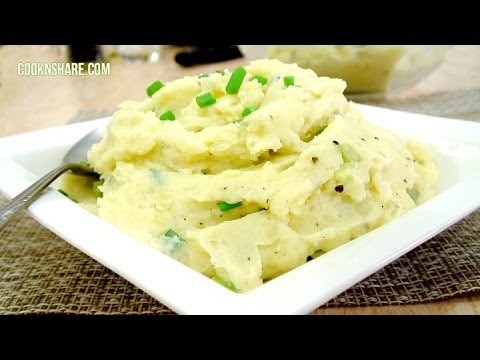
Transfer the champ to a warmed bowl, make a small well in the centre, and add a knob of butter to melt before serving.Serve immediately while above 55°C to preserve emulsion stability and prevent butter separation.
Recommended Equipment

Nutrition Facts
Servings 4
Serving Size 1 portion
- Amount Per Serving
- Calories 344.8kcal
- % Daily Value *
- Total Fat 14.49g23%
- Saturated Fat 8.98g45%
- Cholesterol 39.99mg14%
- Sodium 625.41mg27%
- Potassium 1204.25mg35%
- Total Carbohydrate 48.1g17%
- Dietary Fiber 6g24%
- Sugars 5.48g
- Protein 7.63g16%
- Vitamin A 664.42 IU
- Vitamin C 52.63 mg
- Calcium 126.76 mg
- Iron 2.24 mg
- Vitamin D 0.93 mcg
- Vitamin E 0.51 mg
- Vitamin K 43.46 mcg
- Thiamin 0.25 mg
- Riboflavin 0.19 mg
- Niacin 2.8 mg
- Vitamin B6 0.79 mg
- Folate 51.99 mcg
- Vitamin B12 0.37 mcg
- Pantothenic Acid 1.01 mg
- Phosphorus 218.06 mg
- Magnesium 69.36 mg
- Zinc 1.08 mg
- Selenium 2.24 mcg
- Copper 0.28 mg
- Manganese 0.43 mg
* Nutrition information is provided as an estimate per serving and may vary depending on the ingredients, brands, substitutions, portion sizes and preparation methods used. Percent Daily Values (%DV) are based on U.S. FDA reference values for a 2,000-calorie diet and are intended as a general guide only. Individual nutritional needs vary. This information is not a substitute for advice from a registered dietitian or other qualified healthcare professional.
Note
Store in an airtight container under refrigeration, ensuring minimal air exposure to preserve flavour integrity and textural balance. The resting phase supports structural stabilisation and moisture redistribution. Cutting or serving too early may compromise internal balance. Dairy-based elements may thicken further upon cooling. Reheat gently to prevent separation or grainy texture. Monitor seasoning levels after storage, as salt perception can shift once chilled.


