
Recipe Snapshot
Recipe at a Glance
Key timing, yield and style details before you start cooking.
Acid Balance and Ingredient Behaviour
The structural integrity of this salsa depends on managing the acid-sugar-salt equilibrium inherent in ripe tomatoes. Charring intensifies natural sugars through Maillard reactions while reducing surface moisture, concentrating flavour without destabilising acidity. Garlic, when roasted in its skin, softens its sulphur compounds, yielding a mellow sweetness that integrates with the tomato base. Lime juice introduces controlled acidity that stabilises the pH and brightens the overall profile. Salt enhances water release during blending, ensuring a cohesive texture rather than a watery separation. The inclusion of fresh coriander and onion provides volatile aromatic lift, balancing the dense roasted base with raw freshness.
Heat Management and Charring Control
Effective charring requires direct, high heat exposure to blister tomato skins without collapsing the flesh. Using a cast-iron skillet or grill pan ensures even heat distribution and sustained surface temperature. Garlic cloves are roasted in their skins to prevent scorching of the flesh while allowing internal steaming. Jalapeños are charred until blistered but not carbonised, maintaining capsaicin integrity. Overcrowding the pan traps steam and inhibits browning, so spacing is critical. Once charred, residual heat continues softening the vegetables, so immediate transfer to a bowl halts overcooking and preserves structural contrast between roasted and raw components.
Transformation Through Roasting and Blending
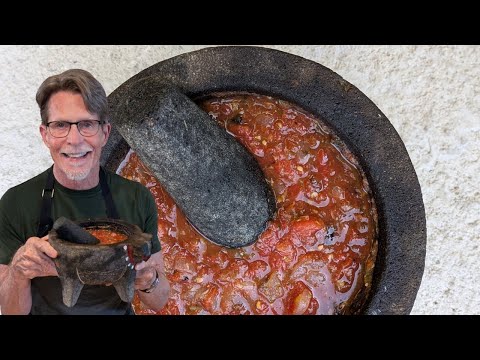
The roasting phase initiates both caramelisation and partial dehydration, concentrating umami compounds in the tomatoes. Once cooled, blending integrates these roasted elements with raw aromatics, creating a layered flavour profile. The mechanical shear from the blender ruptures cell walls, releasing pectin and natural emulsifiers that stabilise the salsa’s suspension. Pulse blending rather than continuous processing maintains particulate definition, preventing a purée texture. The final consistency should be cohesive yet visibly coarse, allowing roasted and fresh elements to remain distinct. Resting the salsa for at least 15 minutes allows volatile compounds to stabilise and flavours to integrate fully.
Workflow Efficiency and Preparation Sequencing
Mise en place should prioritise washing and drying all produce before heat application to prevent oil splatter and uneven charring. While tomatoes and garlic roast, the onion, coriander, and lime can be prepped to streamline assembly. Cooling time can overlap with chopping aromatics to maintain workflow continuity. Using a single pan for all charring minimises cleanup and preserves residual flavour compounds for deglazing if desired. Batch scaling is straightforward, but blending should occur in smaller portions to maintain textural control. Proper sequencing avoids temperature shock when combining hot and cold ingredients, which can cause separation or excess liquid release.
Regional Technique Lineage and Adaptation
Charred tomato salsa originates from Mexican culinary practice, where open-flame roasting (tatemado) is used to intensify flavour and extend shelf life. The method evolved from traditional comal roasting, where dry heat transformed raw ingredients into complex, smoky bases for sauces and condiments. Modern adaptations use cast-iron or grill pans to replicate the same surface reaction indoors. The balance of roasted and raw components reflects regional emphasis on freshness and depth, aligning with broader Mesoamerican flavour logic that values both brightness and smoke. This preparation remains foundational across regional salsas, from northern asados to central market-style table sauces.
Recipe Education
Learn the Skills Behind This Recipe
Build confidence with cooking skills, techniques, and tools used in this recipe.
How to Roast Properly
Improve roasting with better tray setup, timing, and oven heat balance.
Recommended for the roast method used in this recipe.
Cooking Basics
Build safer knife preparation, heat control, timing, and everyday kitchen confidence.
Helpful when using chef knife during preparation.
Oven Temperature Conversions
Understand oven temperatures and how they affect baking and roasting.
Recommended for the roast method used in this recipe.
Teaspoons to Grams
Use small-measure conversions more accurately in cooking and baking.
Helpful when using measuring spoons during preparation.
Baking Tools Guide
Understand essential tools for mixing, measuring, and preparing recipes.
Helpful when using mixing bowl during preparation.
Batch Cooking
Cook once and prepare multiple meals more efficiently.
Selected for this type of recipe.


Charred Tomato and Garlic Salsa
Description
The structural integrity of this salsa depends on managing the acid-sugar-salt equilibrium inherent in ripe tomatoes. Charring intensifies natural sugars through Maillard reactions while reducing surface moisture, concentrating flavour without destabilising acidity. Garlic, when roasted in its skin, softens its sulphur compounds, yielding a mellow sweetness that integrates with the tomato base. Lime juice introduces controlled acidity that stabilises the pH and brightens the overall profile. Salt enhances water release during blending, ensuring a cohesive texture rather than a watery separation. The inclusion of fresh coriander and onion provides volatile aromatic lift, balancing the dense roasted base with raw freshness.
Ingredients
Ingredients
Instructions
Instructions
Step 1
Preheat a Cast-Iron Skillet over high heat until surface temperature exceeds 200°C. Lightly coat tomatoes, garlic cloves, and jalapeños with olive oil.Ensure the skillet is fully preheated before adding produce to achieve immediate blistering rather than slow steaming.Step 2
Place tomatoes, garlic, and jalapeños in the hot skillet. Char each side for 6–8 minutes, rotating with Tongs until skins are blistered and lightly blackened.Avoid constant movement; allow each side to develop colour before turning to maintain even caramelisation.Step 3
Transfer charred vegetables to a bowl and cover loosely with a Tea Towel. Rest for 10 minutes to allow residual steam to loosen skins and equalise temperature.Covering traps gentle steam that aids peeling without over-softening the flesh.Step 4
Peel garlic and remove tomato cores. Roughly chop tomatoes and jalapeños, then combine in a Mixing Bowl with chopped onion, coriander, lime juice, and salt.Removing tomato cores reduces excess liquid and prevents dilution during blending.Step 5
Pulse the mixture in a Blender until coarse but cohesive. Adjust seasoning with additional salt or lime juice if required. Rest 15 minutes before serving.Short pulsing preserves texture and prevents over-aeration, which can mute roasted flavour notes.
Recommended Equipment

Nutrition Facts
Servings 6
Serving Size 1 portion
- Amount Per Serving
- Calories 50.25kcal
- % Daily Value *
- Total Fat 2.52g4%
- Saturated Fat 0.35g2%
- Sodium 329.98mg14%
- Potassium 287.37mg9%
- Total Carbohydrate 6.78g3%
- Dietary Fiber 1.63g7%
- Sugars 3.54g
- Protein 1.27g3%
- Vitamin A 952.16 IU
- Vitamin C 18.05 mg
- Calcium 19.93 mg
- Iron 0.39 mg
- Vitamin E 0.94 mg
- Vitamin K 14.64 mcg
- Thiamin 0.05 mg
- Riboflavin 0.03 mg
- Niacin 0.66 mg
- Vitamin B6 0.13 mg
- Folate 20.18 mcg
- Pantothenic Acid 0.14 mg
- Phosphorus 33.97 mg
- Magnesium 14.23 mg
- Zinc 0.24 mg
- Copper 0.08 mg
- Manganese 0.18 mg
* Nutrition information is provided as an estimate per serving and may vary depending on the ingredients, brands, substitutions, portion sizes and preparation methods used. Percent Daily Values (%DV) are based on U.S. FDA reference values for a 2,000-calorie diet and are intended as a general guide only. Individual nutritional needs vary. This information is not a substitute for advice from a registered dietitian or other qualified healthcare professional.
Note
Store in an airtight container under refrigeration, ensuring minimal air exposure to preserve flavour integrity and textural balance. The resting phase supports structural stabilisation and moisture redistribution. Cutting or serving too early may compromise internal balance. Spice intensity can deepen over time as volatile compounds settle. Taste and adjust seasoning after resting. In larger batches, maintain even heat distribution and avoid overcrowding during reheating to preserve structural integrity. Acid balance may soften slightly over time; a final adjustment before serving restores clarity.


