
Recipe Snapshot
Recipe at a Glance
Key timing, yield and style details before you start cooking.
Protein Structure and Fat Integration
Chicken drumsticks contain a high ratio of connective tissue and intramuscular fat, which respond well to moist-heat cooking. The collagen converts to gelatin during simmering, enriching the sauce body. The inclusion of cream introduces milk fat that emulsifies with the reduced cooking juices, forming a stable, glossy sauce. Salt and acid from the seasoning balance the fat phase, preventing palate fatigue. Proper sequencing—browning before deglazing—ensures Maillard compounds are captured and suspended in the sauce base rather than lost to evaporation.
Heat Management and Moisture Retention
Controlled browning over medium-high heat initiates flavour development without burning the skin. Once colour is achieved, the heat is reduced to maintain a gentle simmer, allowing even internal cooking and moisture retention. Carryover heat continues to raise internal temperature after removal from the pan, so resting is essential to prevent overcooking. Evaporation during reduction must be monitored; excessive reduction will concentrate salt and destabilise the cream. Maintaining a consistent simmer ensures the sauce thickens through reduction rather than curdling through overheating.
Transformation Through Reduction and Emulsification
As the sauce reduces, water evaporates and fat droplets disperse into the aqueous phase, forming a semi-stable emulsion. The gelatin released from the drumsticks acts as a natural stabiliser, improving viscosity and mouthfeel. The cream’s milk proteins denature slightly, thickening the sauce without starch. Timing the addition of cream after deglazing prevents splitting. The final texture should coat the back of a spoon evenly, indicating correct emulsification and reduction balance.
Workflow Efficiency and Sequencing Logic
Efficient mise en place is critical: aromatics should be prepped before searing begins to avoid downtime. Deglazing liquid and cream must be measured and ready to add immediately after browning to capture fond while it remains soluble. Parallel tasks, such as chopping herbs during simmering, optimise workflow. Avoid crowding the pan, which would induce steaming instead of searing. Proper sequencing—sear, deglaze, simmer, finish—ensures consistent flavour layering and prevents textural compromise.
Regional Technique Context
This preparation aligns with European pan-sauce methodology, particularly French-inspired sautéing followed by reduction. The technique evolved from classical poulet à la crème, where poultry is browned, deglazed with stock or wine, and finished with cream. Modern adaptations simplify the process by using drumsticks for accessible portioning and flavour intensity. The method demonstrates the enduring influence of French reduction and emulsification principles across contemporary Western kitchens.
Recipe Education
Learn the Skills Behind This Recipe
Build confidence with cooking skills, techniques, and tools used in this recipe.
How to Fry Properly
Understand pan heat, oil temperature, and how to get better frying results.
Recommended for the fry method used in this recipe.
How to Sauté Properly
Master fast cooking, pan heat, and ingredient timing for better texture.
Recommended for the saute method used in this recipe.
Cookware Guide
Learn which pots and pans work best for frying, sautéing, simmering, and roasting.
Helpful when using frying pan during preparation.
Cups to Grams
Convert cup measurements more accurately to improve recipe consistency.
Helpful when using measuring cups during preparation.
Teaspoons to Grams
Use small-measure conversions more accurately in cooking and baking.
Helpful when using measuring spoons during preparation.
Baking Tools Guide
Understand essential tools for mixing, measuring, and preparing recipes.
Helpful when using mixing bowl during preparation.


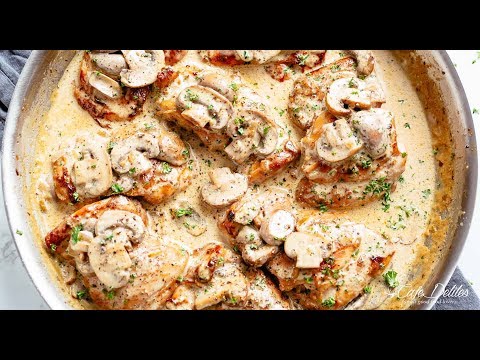
Chicken Drumsticks with Creamy Sauce
Description
Chicken drumsticks contain a high ratio of connective tissue and intramuscular fat, which respond well to moist-heat cooking. The collagen converts to gelatin during simmering, enriching the sauce body. The inclusion of cream introduces milk fat that emulsifies with the reduced cooking juices, forming a stable, glossy sauce. Salt and acid from the seasoning balance the fat phase, preventing palate fatigue. Proper sequencing—browning before deglazing—ensures Maillard compounds are captured and suspended in the sauce base rather than lost to evaporation.
Ingredients
Ingredients
Instructions
Instructions
Step 1
Pat chicken drumsticks dry with paper towels. Season evenly with salt and black pepper on all sides.Ensure the skin surface is completely dry before searing to promote uniform browning and prevent steaming.Step 2
Heat olive oil in a Saute Pan over medium-high heat. Add drumsticks and sear for 3–4 minutes per side until golden brown. Remove and set aside.Avoid overcrowding the pan; sear in batches if necessary to maintain consistent surface temperature.Step 3
Reduce heat to medium. Add butter to the same pan, followed by chopped onion and minced garlic. Sauté until translucent and aromatic, about 3 minutes.Control heat to prevent garlic from browning excessively, which would introduce bitterness into the sauce.Step 4
Deglaze the pan with chicken stock, scraping up browned bits with a Wooden Spoon. Return drumsticks to the pan and reduce heat to low. Cover and simmer for 20 minutes until chicken is cooked through.Maintain a gentle simmer; vigorous boiling will toughen the meat and reduce liquid too rapidly.Step 5
Remove lid and increase heat slightly to reduce the liquid by one-third. Stir in heavy cream and simmer uncovered for 5 minutes until sauce thickens and coats the spoon.Add cream only after reduction begins; early addition risks curdling from prolonged heat exposure.Step 6
Adjust seasoning with salt, pepper, and lemon juice. Garnish with chopped parsley before serving.Incorporate acid at the end to brighten flavour and stabilise the sauce’s fat balance.
Recommended Equipment

Nutrition Facts
Servings 4
Serving Size 1 portion
- Amount Per Serving
- Calories 198.02kcal
- % Daily Value *
- Total Fat 19.14g30%
- Saturated Fat 10.27g52%
- Cholesterol 47.14mg16%
- Sodium 580.84mg25%
- Potassium 125.26mg4%
- Total Carbohydrate 5.35g2%
- Dietary Fiber 0.69g3%
- Sugars 2.27g
- Protein 2.33g5%
- Vitamin A 772.94 IU
- Vitamin C 6.66 mg
- Calcium 35.71 mg
- Iron 0.42 mg
- Vitamin D 0.4 mcg
- Vitamin E 0.94 mg
- Vitamin K 45.45 mcg
- Thiamin 0.04 mg
- Riboflavin 0.09 mg
- Niacin 0.6 mg
- Vitamin B6 0.1 mg
- Folate 11.53 mcg
- Vitamin B12 0.06 mcg
- Pantothenic Acid 0.16 mg
- Phosphorus 39.97 mg
- Magnesium 8.64 mg
- Zinc 0.25 mg
- Selenium 2.27 mcg
- Copper 0.05 mg
- Manganese 0.14 mg
* Nutrition information is provided as an estimate per serving and may vary depending on the ingredients, brands, substitutions, portion sizes and preparation methods used. Percent Daily Values (%DV) are based on U.S. FDA reference values for a 2,000-calorie diet and are intended as a general guide only. Individual nutritional needs vary. This information is not a substitute for advice from a registered dietitian or other qualified healthcare professional.
Note
Allow the dish to cool gradually before sealing. Rapid temperature shifts can create condensation, weakening texture and diluting surface flavour concentration. The resting phase supports structural stabilisation and moisture redistribution. Cutting or serving too early may compromise internal balance. Dairy-based elements may thicken further upon cooling. Reheat gently to prevent separation or grainy texture. Slow-cooked preparations often improve after several hours or overnight refrigeration as aromatic compounds integrate more fully. When reheating crisp components, use dry heat rather than microwave methods to maintain exterior texture. Texture refinement often occurs naturally during resting due to internal moisture redistribution.


