
Recipe Snapshot
Recipe at a Glance
Key timing, yield and style details before you start cooking.
Chicken Gravy with Pan Juices is a dish that elevates the humble chicken to a realm of culinary sophistication. This recipe transforms the simple drippings from a roasted chicken into a rich, velvety sauce that envelops your taste buds in an embrace of umami and comfort. It’s not just a sauce; it’s a celebration of flavors that captures the essence of home-cooked meals, making it a staple in many households while also gracing the tables of fine dining experiences.
Origin and History
The roots of chicken gravy can be traced back to traditional cooking methods across various cultures, where nothing was wasted, and every ingredient was cherished. In the heart of American kitchens, this dish has evolved over generations, often being served alongside mashed potatoes or biscuits, enhancing the experience of a family gathering. It’s a dish that speaks of warmth and nostalgia, often evoking memories of Sunday dinners and festive occasions. The art of gravy-making has been a rite of passage for many home cooks, with each family adding their unique twist, be it a hint of herbs or a splash of wine.
Unique Ingredients and Techniques
What sets this Chicken Gravy apart is its reliance on pan juices—those golden, flavorful remnants left in the roasting pan. These juices are the essence of the chicken, containing concentrated flavors that are simply unmatched. The incorporation of a roux, made from equal parts fat and flour, thickens the gravy beautifully while allowing the natural flavors to shine through. A splash of chicken broth enhances the depth, while a touch of cream can add a luxurious finish, transforming a simple sauce into a gourmet delight.
The cooking technique is equally important; it’s about coaxing out the flavors through careful deglazing, scraping up those delicious bits stuck to the pan, which is where the magic happens. The process is not only about technique but also about patience and love—a philosophy that resonates with my culinary journey.
With Chicken Gravy with Pan Juices, you’re not just creating a dish; you’re crafting a memory that will linger long after the last bite.
Recipe Education
Learn the Skills Behind This Recipe
Build confidence with cooking skills, techniques, and tools used in this recipe.
Cookware Guide
Learn which pots and pans work best for frying, sautéing, simmering, and roasting.
Helpful when using roasting pan during preparation.
How to Boil Properly
Learn boiling times, temperature control, and how to avoid overcooking.
Recommended for the boil method used in this recipe.
How to Sauté Properly
Master fast cooking, pan heat, and ingredient timing for better texture.
Recommended for the saute method used in this recipe.
Cups to Grams
Convert cup measurements more accurately to improve recipe consistency.
Helpful when using measuring cups during preparation.
Simmer vs Boil
Learn when to simmer, when to boil, and how each affects recipe results.
Recommended for the simmer method used in this recipe.
Cooking Basics
Build safer knife preparation, heat control, timing, and everyday kitchen confidence.
Helpful when using chef knife during preparation.


Chicken Gravy with Pan Juices
Description
This chicken gravy utilizes the flavorful drippings from your roasted chicken, resulting in an incredibly rich and savory sauce that enhances any meal.
Ingredients
Ingredients for Chicken Gravy with Pan Juices
Instructions
Preparing the Pan Juices
Collect the Drippings
After roasting your chicken, remove it from the pan and place it onto a cutting board to rest. Carefully tilt the roasting pan to gather the pan drippings towards one side. Use a spoon or a turkey baster to extract the drippings, ensuring to leave behind any burnt bits. You should have about 1/2 to 3/4 cup of liquid.If you have excess fat on top of the drippings, you can skim it off using a fat separator or a spoon.
Making the Gravy
Create a Roux
In a saucepan over medium heat, add 2 tablespoons of the reserved chicken fat (or butter if you prefer). Once melted, whisk in an equal amount of all-purpose flour (about 2 tablespoons). Stir continuously until the mixture turns a light golden brown, about 3 to 5 minutes. This is your roux.Be patient with this step; a well-cooked roux adds depth of flavor to your gravy.Combine with Pan Juices
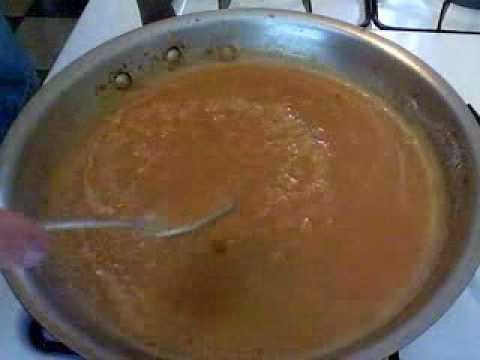
Slowly pour the collected pan drippings into the roux while whisking vigorously to prevent lumps from forming. The mixture will thicken as you incorporate the liquid. Continue to whisk until smooth.If you find the gravy too thick, you can add a bit of chicken broth or water to reach your desired consistency.
Finishing Touches
Season to Taste
Let the gravy simmer gently for about 5 minutes, allowing the flavors to meld. Taste and adjust seasoning with salt and freshly cracked black pepper. If desired, stir in a splash of cream for richness or a teaspoon of soy sauce for umami.Always taste as you go! This will ensure your gravy is perfectly seasoned.Serve and Enjoy
Once your gravy has reached the desired flavor and consistency, pour it into a gravy boat or a serving dish. Serve it warm alongside your roasted chicken, mashed potatoes, or any side dish of your choice.For a touch of elegance, garnish with freshly chopped herbs such as parsley or thyme before serving.
Equipment

Nutrition Facts
Servings 4
- Amount Per Serving
- Calories 164.28kcal
- % Daily Value *
- Total Fat 10.22g16%
- Saturated Fat 5.14g26%
- Cholesterol 27.02mg10%
- Sodium 884.62mg37%
- Potassium 195.95mg6%
- Total Carbohydrate 11.26g4%
- Dietary Fiber 0.43g2%
- Sugars 2.04g
- Protein 6.65g14%
- Vitamin A 206.12 IU
- Calcium 11.51 mg
- Iron 0.82 mg
- Vitamin E 0.26 mg
- Vitamin K 1.62 mcg
- Thiamin 0.15 mg
- Riboflavin 0.17 mg
- Niacin 3.22 mg
- Vitamin B6 0.13 mg
- Folate 20.83 mcg
- Vitamin B12 0.09 mcg
- Pantothenic Acid 0.13 mg
- Phosphorus 76.14 mg
- Magnesium 10.88 mg
- Zinc 0.49 mg
- Selenium 9.25 mcg
- Copper 0.1 mg
- Manganese 0.13 mg
* Nutrition information is provided as an estimate per serving and may vary depending on the ingredients, brands, substitutions, portion sizes and preparation methods used. Percent Daily Values (%DV) are based on U.S. FDA reference values for a 2,000-calorie diet and are intended as a general guide only. Individual nutritional needs vary. This information is not a substitute for advice from a registered dietitian or other qualified healthcare professional.
Note
- Use high-quality chicken, preferably free-range, for the best flavor.
- Reserve all pan drippings after roasting the chicken; this is the foundation of your gravy.
- For a richer taste, add a splash of white wine to deglaze the pan before adding broth.
- Incorporate aromatics such as garlic, shallots, or thyme for additional depth.
- Use a mixture of chicken broth and stock to enhance the flavor profile.
- Whisk in flour or cornstarch to create a smooth roux; ensure it cooks for a minute to eliminate raw taste.
- Taste and adjust seasoning with salt and freshly cracked black pepper.
- For a silky texture, finish with a knob of cold butter whisked in just before serving.
- Strain the gravy for a refined presentation, if desired.
- Serve immediately over the roasted chicken and sides, or keep warm until ready to serve.


User Reviews
Very tasty gravy and went down a treat with the family.
Perfect with my roast, nice and thick just how i like it.