
Recipe Snapshot
Recipe at a Glance
Key timing, yield and style details before you start cooking.
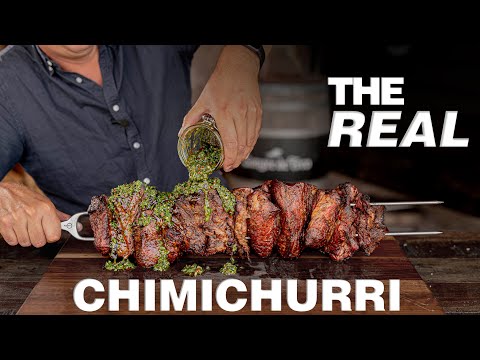
Chimichurri is a vibrant, herbaceous sauce that hails from Argentina, capturing the essence of South American cuisine in every spoonful. This zesty concoction, primarily made from fresh parsley, garlic, vinegar, and olive oil, serves as an exceptional accompaniment to grilled meats, but its versatility allows it to elevate a variety of dishes, from roasted vegetables to crusty bread.
The Origins of Chimichurri
A Culinary Journey
The roots of chimichurri can be traced back to the gauchos of Argentina, the country’s legendary cowboys who roamed the vast plains, or pampas. These skilled horsemen needed simple yet flavorful ways to enhance the taste of the meats they grilled over open flames. As they traveled, they would carry fresh herbs and spices, creating this sauce as a way to add a burst of flavor to their meals. Over the decades, chimichurri has transcended its humble origins, becoming a staple not only in Argentine households but also gaining international acclaim as a quintessential condiment for barbecues around the globe.
Ingredients that Sing
A Symphony of Flavors
What sets chimichurri apart is its refreshing balance of ingredients, each contributing to a symphony of flavors. The robust earthiness of parsley is complemented by the sharpness of garlic, while the acidity of red wine vinegar brings a necessary brightness that cuts through richer meats. Extra virgin olive oil serves as the silky base, tying all the components together harmoniously. Variations can include red pepper flakes for heat or oregano for added depth, showcasing the adaptability of this sauce.
In my two decades of culinary exploration, I’ve learned that the quality of your ingredients directly influences the final outcome. Using fresh, vibrant herbs and a high-quality olive oil can elevate your chimichurri from a simple dressing into a luxurious experience, turning an ordinary meal into something memorable. Whether served alongside a perfectly grilled steak or drizzled over roasted vegetables, chimichurri is not just a sauce; it’s an expression of culinary tradition, bringing warmth and personality to every dish it graces.
Recipe Education
Learn the Skills Behind This Recipe
Build confidence with cooking skills, techniques, and tools used in this recipe.
Cooking Basics
Build safer knife preparation, heat control, timing, and everyday kitchen confidence.
Helpful when using chef knife during preparation.
Teaspoons to Grams
Use small-measure conversions more accurately in cooking and baking.
Helpful when using measuring spoons during preparation.
Baking Tools Guide
Understand essential tools for mixing, measuring, and preparing recipes.
Helpful when using mixing bowl during preparation.


Chimichurri: A Zesty Argentinian Sauce
Description
Chimichurri is a fresh, herbaceous sauce hailing from Argentina, combining parsley, garlic, vinegar, and oil for a zesty, tangy kick that elevates any grilled dish.
Ingredients
Chimichurri Ingredients
Instructions
Preparing the Ingredients
Chop the Fresh Herbs
Finely chop a generous handful of fresh parsley and a few sprigs of fresh oregano. Combine them in a mixing bowl.Use a sharp knife for a clean cut. Avoid using dried herbs, as they won't provide the same vibrant flavor.Mince the Garlic
Mince 2-3 cloves of garlic and add them to the bowl with the herbs. Ensure the garlic is finely chopped to release its oils and flavor.If you prefer a milder garlic taste, you can roast the garlic beforehand.Add Red Pepper Flakes
Sprinkle in about 1 teaspoon of red pepper flakes. Adjust according to your heat preference.Start with less if you're unsure, as you can always add more later.
Combining the Ingredients
Mix the Ingredients
Stir the chopped herbs, minced garlic, and red pepper flakes together until well combined.This is where the aromas begin to meld; take a moment to enjoy the fresh scents.Incorporate the Liquids
Pour in about ½ cup of extra virgin olive oil and 2 tablespoons of red wine vinegar into the herb mixture. Stir until fully combined.Use high-quality olive oil for the best flavor. The vinegar adds a pleasant tang that balances the richness of the oil.
Final Touches
Season to Taste
Add salt and pepper to taste, mixing well to ensure the seasoning is evenly distributed.Taste as you go! The right amount of salt enhances all the flavors.Let it Rest
Allow the chimichurri to sit for at least 30 minutes at room temperature before serving, which will let the flavors develop.For even deeper flavor, consider refrigerating it overnight. Just remember to bring it back to room temperature before serving.
Equipment

Nutrition Facts
Servings 8
- Amount Per Serving
- Calories 107.43kcal
- % Daily Value *
- Total Fat 11.52g18%
- Saturated Fat 1.6g8%
- Sodium 299.72mg13%
- Potassium 54.89mg2%
- Total Carbohydrate 1.09g1%
- Dietary Fiber 0.45g2%
- Sugars 0.09g
- Protein 0.33g1%
- Vitamin A 677.9 IU
- Vitamin C 9.75 mg
- Calcium 15.79 mg
- Iron 0.66 mg
- Vitamin E 1.82 mg
- Vitamin K 125.18 mcg
- Vitamin B6 0.02 mg
- Folate 11.26 mcg
- Magnesium 5.15 mg
- Copper 0.02 mg
- Manganese 0.07 mg
* Nutrition information is provided as an estimate per serving and may vary depending on the ingredients, brands, substitutions, portion sizes and preparation methods used. Percent Daily Values (%DV) are based on U.S. FDA reference values for a 2,000-calorie diet and are intended as a general guide only. Individual nutritional needs vary. This information is not a substitute for advice from a registered dietitian or other qualified healthcare professional.
Note
- Use fresh herbs for the best flavor; parsley and cilantro are traditional, but feel free to experiment with basil or mint.
- A sharp knife is essential for finely chopping the herbs; avoid using a food processor to maintain texture.
- Adjust the garlic according to your preference; roasted garlic can add a mellow sweetness.
- Red wine vinegar is classic, but apple cider vinegar can impart a different, tangy note.
- The olive oil should be high-quality, as it forms the base of the sauce; consider a fruity variety.
- Lemon juice can brighten the flavor profile; add a splash to balance the richness.
- Allow the chimichurri to marinate for at least 30 minutes before serving to enhance the flavors.
- Serve it at room temperature; cold chimichurri loses some of its aromatic qualities.
- It pairs beautifully with grilled meats, roasted vegetables, or as a zesty topping for sandwiches.
- Store leftovers in an airtight container in the refrigerator for up to one week; stir well before using.


User Reviews
fresco, vibrante y con ese toque ácido perfecto. lo puse sobre carne asada y cambió todo.