
Recipe Snapshot
Recipe at a Glance
Key timing, yield and style details before you start cooking.
English mustard is a robust and zesty condiment, renowned for its sharp flavor and delightful heat, bringing a unique character to a variety of dishes. This vibrant yellow paste, often made from ground brown or yellow mustard seeds, is a staple in British cuisine, adding depth to meats, sandwiches, and even salad dressings. Its versatility and boldness make it an essential element on any well-stocked table, perfect for enhancing flavors and adding a touch of sophistication to everyday meals.
The origins of English mustard can be traced back to the Middle Ages when mustard seeds were first cultivated in Europe. The condiment gained popularity in England during the 17th century, particularly with the establishment of mustard production in the city of Norwich, which became renowned for its high-quality mustard. The traditional method of grinding the seeds with vinegar and spices helped to create a uniquely strong flavor that stood in contrast to the milder mustards of the continent. Over the centuries, English mustard has become synonymous with British culinary identity, often accompanying classic dishes like roast beef and sausages, serving as both a flavor enhancer and a palate cleanser.
What sets English mustard apart from its counterparts is its distinctive blend of heat and tanginess. This condiment is typically crafted from a mix of brown and white mustard seeds, resulting in a complex flavor profile that’s at once spicy and slightly sour. The use of a sharp vinegar, such as malt vinegar, further elevates the flavor, creating a vibrant paste that can awaken any dish it graces. The rustic texture of homemade mustard, with its grainy bits of seeds, adds an artisanal touch that store-bought varieties often lack.
Creating your own English mustard at home not only allows for customization of the spice level and acidity but also connects you to a long-standing culinary tradition. The process is straightforward yet rewarding, requiring minimal ingredients and a little patience as the flavors meld together. Whether you choose to keep it classic or experiment with additional ingredients like honey or herbs, the result is a condiment that embodies the essence of British cuisine—hearty, satisfying, and utterly delicious.
Recipe Education
Learn the Skills Behind This Recipe
Build confidence with cooking skills, techniques, and tools used in this recipe.
Cooking Basics
Build safer knife preparation, heat control, timing, and everyday kitchen confidence.
Helpful when using chef knife during preparation.
Teaspoons to Grams
Use small-measure conversions more accurately in cooking and baking.
Helpful when using measuring spoons during preparation.
Baking Tools Guide
Understand essential tools for mixing, measuring, and preparing recipes.
Helpful when using mixing bowl during preparation.


Classic English Mustard
Description
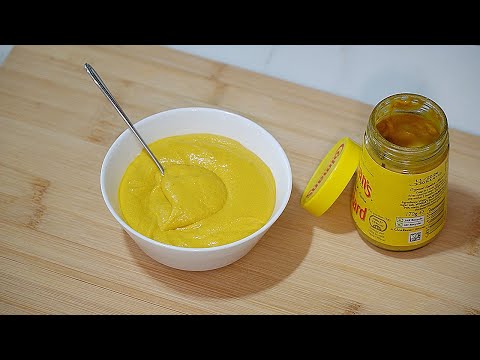
This homemade English mustard packs a punch with its sharp flavor and creamy texture, making it a delightful addition to sandwiches, meats, and cheeses.
Ingredients
Ingredients for English Mustard
Instructions
Preparing the Mustard Base
Gather the Ingredients
Start by measuring out 3 tablespoons of yellow mustard seeds and 1 tablespoon of brown mustard seeds. This combination will provide a balanced flavor profile for your mustard.For a spicier kick, consider increasing the ratio of brown mustard seeds.Soak the Mustard Seeds
Place the mustard seeds in a bowl and cover them with 1/2 cup of cold water. Allow them to soak for at least 12 hours, or overnight, to soften and enhance their flavor.The longer you soak, the milder the flavor. Adjust soaking time based on your desired heat level.
Blending the Mustard
Blend the Mustard Seeds
After soaking, drain the mustard seeds and place them in a blender or food processor. Add 1/4 cup of white wine vinegar, 1 teaspoon of salt, and a pinch of sugar.For a more complex flavor, try using apple cider vinegar instead of white wine vinegar.Achieve Desired Consistency
Blend the mixture until it reaches your preferred consistency. For a smoother mustard, blend longer; for a coarser texture, pulse briefly.If it’s too thick, add a small amount of water or vinegar to adjust the texture.
Finishing Touches
Taste and Adjust
Taste your mustard and adjust the seasoning as needed. You can add more salt, vinegar, or even a touch of honey for sweetness.This is your chance to personalize the mustard to suit your taste!Store the Mustard
Transfer the mustard to a clean jar and seal it tightly. Let it sit at room temperature for a day to allow the flavors to meld before refrigerating.Homemade mustard will keep in the fridge for up to 3 months. Make sure to label and date your jar!
Equipment

Nutrition Facts
Servings 10
- Amount Per Serving
- Calories 52.11kcal
- % Daily Value *
- Total Fat 3.63g6%
- Saturated Fat 0.2g1%
- Sodium 79.51mg4%
- Potassium 78.31mg3%
- Total Carbohydrate 2.89g1%
- Dietary Fiber 1.24g5%
- Sugars 0.68g
- Protein 2.62g6%
- Calcium 27.28 mg
- Iron 0.99 mg
- Vitamin E 0.51 mg
- Thiamin 0.08 mg
- Riboflavin 0.03 mg
- Niacin 0.48 mg
- Vitamin B6 0.04 mg
- Folate 16.23 mcg
- Phosphorus 83.47 mg
- Magnesium 37.45 mg
- Zinc 0.61 mg
- Selenium 20.81 mcg
- Copper 0.07 mg
- Manganese 0.26 mg
* Nutrition information is provided as an estimate per serving and may vary depending on the ingredients, brands, substitutions, portion sizes and preparation methods used. Percent Daily Values (%DV) are based on U.S. FDA reference values for a 2,000-calorie diet and are intended as a general guide only. Individual nutritional needs vary. This information is not a substitute for advice from a registered dietitian or other qualified healthcare professional.
Note
- Use high-quality mustard seeds: opt for a mix of yellow and brown seeds for a balanced flavor profile.
- Soak the mustard seeds in cold water for at least 12 hours to soften and enhance their natural oils.
- For a smoother texture, blend the soaked seeds with white wine vinegar or apple cider vinegar, adjusting the acidity to your taste.
- Incorporate a pinch of turmeric for color and a subtle earthiness, but avoid overpowering the mustard flavor.
- Sweeten with a touch of honey or sugar if desired, balancing the heat with a hint of sweetness.
- Allow the mustard to rest for at least 24 hours before using; this resting period helps the flavors meld and develop.
- Store in an airtight container in the refrigerator for up to three months; the mustard will continue to mature in flavor over time.
- Experiment with additional spices like garlic powder or smoked paprika for a unique twist.


User Reviews
ok this cleared my head instantly, tiny spoonful and BAM. perfect in a sandwich though, proper punch.