
Recipe Snapshot
Recipe at a Glance
Key timing, yield and style details before you start cooking.
Classic onion gravy is a rich, velvety sauce that elevates any dish it graces, from comforting mashed potatoes to hearty roasts. This timeless recipe showcases the humble onion, transforming it into a deeply flavorful accompaniment that is both simple and sophisticated.
The Origins of Onion Gravy
A Culinary Tradition
Onion gravy finds its roots in traditional British cuisine, where it has been a staple for generations. It often accompanies Sunday roasts, bringing warmth and comfort to family gatherings. The dish is a celebration of frugality, highlighting how a few basic ingredients can create an extraordinary flavor experience.
Cultural Significance
In many households, the recipe has been passed down through generations, each adding their own twist. It embodies the spirit of home-cooked meals, where the kitchen becomes a gathering place, and the aroma of slowly caramelizing onions fills the air, inviting everyone to the table.
Ingredients and Flavors
The Stars of the Dish
At the heart of onion gravy are, unsurprisingly, onions—preferably sweet varieties like Vidalia or Walla Walla, which caramelize beautifully. The addition of rich beef or vegetable stock enhances the depth of flavor, while a splash of balsamic vinegar or red wine can introduce a delightful hint of acidity, balancing the sweetness of the onions.
Cooking Techniques
The magic of onion gravy lies in the slow-cooking technique. Sautéing the onions until they are golden brown not only develops their natural sweetness but also infuses the gravy with a deep, savory essence. This process requires patience, but trust me, the results are worth every minute. The gentle simmer allows the flavors to meld together, creating a luscious sauce that is simply irresistible.
Recipe Education
Learn the Skills Behind This Recipe
Build confidence with cooking skills, techniques, and tools used in this recipe.
Cooking Basics
Build safer knife preparation, heat control, timing, and everyday kitchen confidence.
Helpful when using chef knife during preparation.
How to Boil Properly
Learn boiling times, temperature control, and how to avoid overcooking.
Recommended for the boil method used in this recipe.
Cookware Guide
Learn which pots and pans work best for frying, sautéing, simmering, and roasting.
Helpful when using saucepan during preparation.
How to Sauté Properly
Master fast cooking, pan heat, and ingredient timing for better texture.
Recommended for the saute method used in this recipe.
Simmer vs Boil
Learn when to simmer, when to boil, and how each affects recipe results.
Recommended for the simmer method used in this recipe.


Classic Onion Gravy
Description
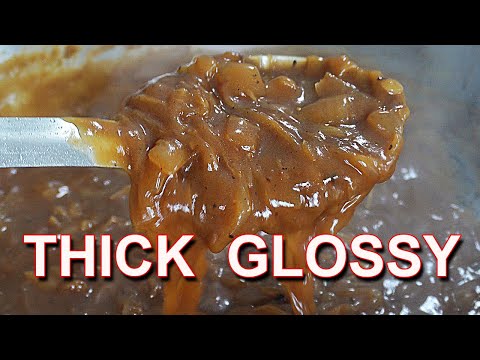
This classic onion gravy is deeply flavorful, made from caramelized onions and savory broth, bringing warmth and richness to your meals with each velvety spoonful.
Ingredients
Classic Onion Gravy Ingredients
Instructions
Preparing the Onions
Slice the Onions
Begin by peeling and thinly slicing about 2 to 3 medium onions. Aim for even slices to ensure they cook uniformly and develop that lovely sweetness.You can use yellow onions for a classic flavor or mix in some red onions for a splash of color and a slightly different taste.Sauté the Onions
In a large skillet, heat 2 tablespoons of butter or oil over medium heat. Add the sliced onions and a pinch of salt to help draw out moisture. Stir occasionally, allowing them to soften and caramelize, which should take around 15 to 20 minutes.Don’t rush this step! The caramelization process is where the magic happens, bringing out the natural sugars in the onions.
Building the Gravy
Add Flour
Once the onions are golden and caramelized, sprinkle 2 tablespoons of all-purpose flour over them. Stir well to combine, cooking for an additional minute to remove the raw flour taste.This will help thicken your gravy. Make sure to coat the onions well with the flour.Deglaze the Pan
Gradually pour in 2 cups of beef or vegetable broth, scraping the bottom of the pan to release any flavorful bits stuck there. Stir continuously until the mixture is smooth.Using a whisk can help achieve a lump-free gravy. If you want a richer flavor, consider adding a splash of Worcestershire sauce.
Finishing Touches
Season the Gravy
Let the gravy simmer on low heat for about 10 minutes, allowing it to thicken slightly. Taste and adjust the seasoning with salt and freshly ground black pepper.If you prefer a bit of sweetness, a teaspoon of sugar or balsamic vinegar can enhance the flavor beautifully.Serve It Up
Once thickened, your classic onion gravy is ready to be served! Pour it over mashed potatoes, sausages, or roast beef for a delicious touch.This gravy also freezes well, so feel free to make a larger batch and store it for later use.
Equipment

Nutrition Facts
Servings 4
- Amount Per Serving
- Calories 167.64kcal
- % Daily Value *
- Total Fat 11.57g18%
- Saturated Fat 1.63g9%
- Sodium 946.53mg40%
- Potassium 175.52mg6%
- Total Carbohydrate 15.02g6%
- Dietary Fiber 2.04g9%
- Sugars 5.81g
- Protein 2.08g5%
- Vitamin A 276.16 IU
- Vitamin C 8.46 mg
- Calcium 27.81 mg
- Iron 0.61 mg
- Vitamin E 1.67 mg
- Vitamin K 7.32 mcg
- Thiamin 0.08 mg
- Riboflavin 0.06 mg
- Niacin 0.53 mg
- Vitamin B6 0.14 mg
- Folate 28.66 mcg
- Pantothenic Acid 0.17 mg
- Phosphorus 42.01 mg
- Magnesium 13.95 mg
- Zinc 0.24 mg
- Selenium 1.86 mcg
- Copper 0.06 mg
- Manganese 0.19 mg
* Nutrition information is provided as an estimate per serving and may vary depending on the ingredients, brands, substitutions, portion sizes and preparation methods used. Percent Daily Values (%DV) are based on U.S. FDA reference values for a 2,000-calorie diet and are intended as a general guide only. Individual nutritional needs vary. This information is not a substitute for advice from a registered dietitian or other qualified healthcare professional.
Note
- Use yellow or sweet onions for a milder flavor; red onions can add a slightly sweeter and deeper color.
- Slice the onions evenly to ensure they cook uniformly. Aim for about 1/4 inch thick.
- Caramelizing is key; cook the onions slowly over medium-low heat to develop a rich, deep flavor. Patience is essential—this can take 20-30 minutes.
- Stir frequently to prevent burning, and add a splash of water or broth if they start to stick.
- Deglaze the pan with a splash of wine or broth after caramelizing to lift those flavorful bits stuck to the bottom.
- For a gluten-free option, substitute all-purpose flour with cornstarch or a gluten-free flour blend, mixing it with a bit of cold broth to avoid lumps.
- Adjust the thickness by varying the amount of broth; add more for a thinner gravy, less for a thicker consistency.
- Enhance the flavor with a splash of Worcestershire sauce or soy sauce for umami depth.
- Serve over mashed potatoes, roasted meats, or as a dipping sauce for bread.
- Store leftovers in an airtight container in the fridge for up to a week or freeze for up to three months. Reheat gently on the stove, adding a little water or broth to loosen if needed.


