
Recipe Snapshot
Recipe at a Glance
Key timing, yield and style details before you start cooking.
Fat Absorption and Crust Integrity
The combination of shredded coconut and panko breadcrumbs creates a dual-texture crust that balances crispness with aromatic fat retention. Coconut’s natural oil content promotes even browning while limiting excessive absorption of frying oil. The protein coating from the egg wash binds the dry layer securely, preventing delamination during cooking. Salt seasoning within the crumb phase enhances surface dehydration, ensuring a dry, crisp shell. The fish’s mild protein structure benefits from minimal pre-seasoning to avoid moisture purge before coating, maintaining internal juiciness. Proper crumb hydration control is essential—too much moisture softens the crust, while overly dry crumbs fail to adhere uniformly.
Heat Transfer and Moisture Management
Maintaining oil temperature between 175–185°C is critical to achieve rapid crust set without overcooking the fish interior. At this range, surface starches and coconut sugars caramelize efficiently, forming a sealed barrier that traps internal steam. Excessively low oil temperature leads to soggy crusts due to prolonged exposure, while high heat risks premature browning before internal doneness. Uniform bite size ensures consistent cooking time and predictable carryover heat. The resting phase post-frying allows residual steam to escape, stabilizing the crust and preventing condensation softening.
Texture Development and Flavor Concentration
During frying, the coconut’s natural sugars undergo Maillard-like reactions, deepening flavor and color. The fish proteins denature gently, firming without becoming dry. The panko’s aerated structure contributes to a light, audible crunch contrasting the tender interior. The inclusion of lime zest or mild chili within the crumb phase introduces volatile aromatics that bloom under heat, enhancing sensory depth. The final texture balance depends on precise oil turnover and immediate draining on a rack rather than paper, which preserves crispness by avoiding steam entrapment.
Workflow Efficiency and Coating Sequence
Organizing the breading station in sequence—flour, egg, crumb—minimizes cross-contamination and accelerates throughput. Each phase should be executed with dry and wet hand separation to maintain coating consistency. Pre-portioning fish pieces before dredging prevents uneven cooking and allows batch frying without temperature drop. Using a wire rack for staging coated pieces avoids soggy spots that occur when resting on flat surfaces. Efficient workflow ensures that the oil remains clean, reducing particulate burn and flavor degradation across multiple batches.
Regional Technique Lineage
Coconut crusted seafood preparations trace their lineage to coastal Southeast Asian and Caribbean cuisines, where coconut and fish coexist as staple ingredients. The technique evolved from traditional shallow-frying of coconut-coated proteins, later adapted with panko for lighter texture in modern kitchens. The integration of Japanese breadcrumb structure with tropical flavor elements represents a globalized adaptation of regional frying logic. The dish exemplifies how ingredient availability and cross-cultural technique exchange refine texture and flavor outcomes without compromising structural authenticity.
Recipe Education
Learn the Skills Behind This Recipe
Build confidence with cooking skills, techniques, and tools used in this recipe.
Baking Tools Guide
Understand essential tools for mixing, measuring, and preparing recipes.
Helpful when using mixing bowl during preparation.
How to Fry Properly
Understand pan heat, oil temperature, and how to get better frying results.
Recommended for the fry method used in this recipe.
Cooking Basics
Build safer knife preparation, heat control, timing, and everyday kitchen confidence.
Helpful when using chef knife during preparation.
Cookware Guide
Learn which pots and pans work best for frying, sautéing, simmering, and roasting.
Helpful when using frying pan during preparation.
Oven Temperature Conversions
Understand oven temperatures and how they affect baking and roasting.
Helpful when using sheet pan during preparation.


Coconut Crusted Fish Bites
Description
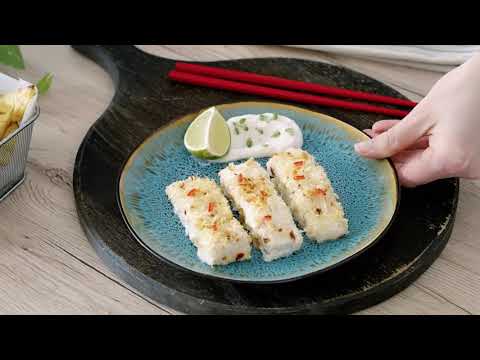
The combination of shredded coconut and panko breadcrumbs creates a dual-texture crust that balances crispness with aromatic fat retention. Coconut’s natural oil content promotes even browning while limiting excessive absorption of frying oil. The protein coating from the egg wash binds the dry layer securely, preventing delamination during cooking. Salt seasoning within the crumb phase enhances surface dehydration, ensuring a dry, crisp shell. The fish’s mild protein structure benefits from minimal pre-seasoning to avoid moisture purge before coating, maintaining internal juiciness. Proper crumb hydration control is essential—too much moisture softens the crust, while overly dry crumbs fail to adhere uniformly.
Ingredients
Ingredients
Instructions
Instructions
Step 1
Pat the white fish fillet pieces dry using paper towels to remove surface moisture. Season lightly with half the salt and black pepper.Ensure fish is fully dry before coating to prevent steam pockets that weaken crust adhesion.Step 2
Set up a breading station with three shallow bowls: one with plain flour, one with beaten eggs, and one with a mix of panko breadcrumbs, desiccated coconut, lime zest, and remaining seasoning.Keep the crumb mixture aerated by mixing gently with fingers to maintain texture during coating.Step 3
Dredge each fish piece in flour, shake off excess, dip in egg, then coat evenly in the coconut-panko mixture. Place coated pieces on a wire rack to rest for 5 minutes.Allowing coated fish to rest before frying stabilizes the crumb layer and reduces detachment in oil.Step 4
Heat vegetable oil in a Frying Pan to 180°C. Fry fish bites in small batches for 2–3 minutes per side until golden brown and internal temperature reaches 60°C.Monitor oil temperature with a Thermometer(Meat) to prevent excessive cooling between batches.Step 5
Transfer fried fish bites to a Cooling Rack set over a Baking Sheet to drain excess oil. Rest for 3 minutes before garnishing with chopped coriander.Avoid paper towels for draining; airflow under the rack preserves crust crispness.
Recommended Equipment

Nutrition Facts
Servings 4
Serving Size 1 portion
- Amount Per Serving
- Calories 1403.04kcal
- % Daily Value *
- Total Fat 130.29g201%
- Saturated Fat 27.84g140%
- Cholesterol 144.34mg49%
- Sodium 829.97mg35%
- Potassium 549.03mg16%
- Total Carbohydrate 29.76g10%
- Dietary Fiber 3.83g16%
- Sugars 2.48g
- Protein 33.15g67%
- Vitamin A 127.17 IU
- Calcium 69.27 mg
- Iron 3.3 mg
- Vitamin D 4.32 mcg
- Vitamin E 10.25 mg
- Vitamin K 215.76 mcg
- Thiamin 0.38 mg
- Riboflavin 0.35 mg
- Niacin 7.2 mg
- Vitamin B6 0.32 mg
- Folate 90.68 mcg
- Vitamin B12 2.24 mcg
- Pantothenic Acid 1.25 mg
- Phosphorus 336.69 mg
- Magnesium 62.29 mg
- Zinc 1.4 mg
- Selenium 71.92 mcg
- Copper 0.31 mg
- Manganese 0.78 mg
* Nutrition information is provided as an estimate per serving and may vary depending on the ingredients, brands, substitutions, portion sizes and preparation methods used. Percent Daily Values (%DV) are based on U.S. FDA reference values for a 2,000-calorie diet and are intended as a general guide only. Individual nutritional needs vary. This information is not a substitute for advice from a registered dietitian or other qualified healthcare professional.
Note
For best structural retention, cool uncovered briefly before storage to prevent trapped steam from softening exterior crust or caramelised surfaces. The resting phase supports structural stabilisation and moisture redistribution. Cutting or serving too early may compromise internal balance. Spice intensity can deepen over time as volatile compounds settle. Taste and adjust seasoning after resting. When reheating crisp components, use dry heat rather than microwave methods to maintain exterior texture. Acid balance may soften slightly over time; a final adjustment before serving restores clarity.


