
Recipe Snapshot
Recipe at a Glance
Key timing, yield and style details before you start cooking.
Ingredient Interaction and Structural Balance
The wrap’s integrity depends on the interplay between crisp coconut-coated shrimp, moisture from the sauce, and the pliability of the flatbread. Shredded coconut introduces fat and texture, while panko stabilises the crust by absorbing surface moisture from the shrimp. The batter’s hydration level must be controlled to ensure adhesion without sogginess. Acidic elements in the dressing balance the coconut’s sweetness and prevent palate fatigue. Lettuce and cucumber contribute structural freshness and water content, countering the fried component’s density. The wrap’s layering order—dry base, protein, then moist vegetables—prevents premature softening of the bread and maintains textural contrast through service.
Heat Management and Frying Control
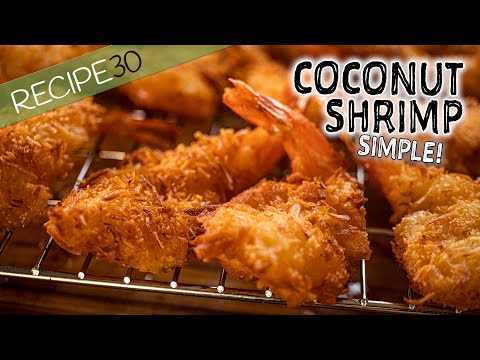
Shrimp require precise temperature staging to achieve even cooking without over-toughening the protein. Oil temperature should stabilise at 175°C to promote rapid crust formation and minimise oil absorption. Overcrowding the Frying Pan lowers heat, leading to greasy results. Carryover heat continues cooking the shrimp briefly after removal, so draining on a Cooling Rack prevents steam entrapment. The coconut coating browns quickly due to its natural sugars, requiring constant observation. Maintaining consistent oil depth ensures uniform contact and prevents uneven colouring. Proper sequencing—batter, coat, fry, drain—ensures each shrimp retains crispness before assembly.
Textural Transformation and Assembly Logic
During frying, the coconut and panko crust undergo Maillard reactions, developing aromatic depth and a brittle shell. The shrimp’s internal proteins denature, firming the texture while retaining juiciness if not overcooked. The dressing’s emulsified base binds the wrap components, preventing slippage. Warm shrimp contrast with chilled vegetables, creating a controlled temperature gradient that enhances perception of freshness. The wrap must be rolled tightly to maintain compression without tearing. Resting the assembled wrap for one minute allows residual steam to equalise moisture distribution, stabilising the structure for clean slicing or service.
Workflow Efficiency and Mise en Place Sequencing
Efficiency depends on parallel preparation: shrimp coating and frying can proceed while vegetables and sauce are prepped. Maintaining a clean station prevents cross-contamination between raw and cooked seafood. The batter should be mixed immediately before coating to preserve aeration. Pre-warming the wraps ensures flexibility during rolling. Cooling fried shrimp briefly before assembly avoids steam condensation inside the wrap. Organising components in assembly order—wraps, sauce, greens, shrimp—reduces handling time and maintains temperature control. This sequencing mirrors professional service flow, ensuring consistent output across multiple portions.
Regional and Culinary Context
Coconut shrimp reflects coastal Southeast Asian and Caribbean influences where coconut and seafood are abundant. The wrap format modernises the dish for portable service, aligning with global street food evolution. Traditional coconut shrimp is typically served as a plated appetiser; integrating it into a wrap adapts the texture and flavour balance for handheld consumption. The combination of fried crust, sweet coconut, and tangy dressing parallels tropical flavour profiles found in Thai and Caribbean cuisines. This adaptation maintains the core technique of coconut crusting while applying contemporary assembly logic suited to fast-casual dining.
Recipe Education
Learn the Skills Behind This Recipe
Build confidence with cooking skills, techniques, and tools used in this recipe.
How to Fry Properly
Understand pan heat, oil temperature, and how to get better frying results.
Recommended for the fry method used in this recipe.
Cookware Guide
Learn which pots and pans work best for frying, sautéing, simmering, and roasting.
Helpful when using frying pan during preparation.
Baking Tools Guide
Understand essential tools for mixing, measuring, and preparing recipes.
Helpful when using mixing bowl during preparation.


Coconut Shrimp Wrap
Description
The wrap’s integrity depends on the interplay between crisp coconut-coated shrimp, moisture from the sauce, and the pliability of the flatbread. Shredded coconut introduces fat and texture, while panko stabilises the crust by absorbing surface moisture from the shrimp. The batter’s hydration level must be controlled to ensure adhesion without sogginess. Acidic elements in the dressing balance the coconut’s sweetness and prevent palate fatigue. Lettuce and cucumber contribute structural freshness and water content, countering the fried component’s density. The wrap’s layering order—dry base, protein, then moist vegetables—prevents premature softening of the bread and maintains textural contrast through service.
Ingredients
Ingredients
Instructions
Instructions
Step 1
Combine shredded coconut and panko breadcrumbs in a Mixing Bowl. In separate bowls, place flour and beaten egg for dredging. Pat shrimp dry with paper towels.Ensure shrimp are completely dry before coating to prevent the crust from detaching during frying.Step 2
Dredge each shrimp in flour, dip into beaten egg, then coat evenly with the coconut-panko mixture. Press lightly to secure the coating.Apply gentle pressure when coating to embed the coconut mixture without crushing the texture.Step 3
Heat vegetable oil in a Frying Pan over medium heat to approximately 175°C. Fry shrimp in small batches for 2–3 minutes per side until golden brown. Transfer to a Cooling Rack to drain.Monitor oil temperature with a Thermometer (Meat) to maintain consistent frying heat and prevent oil saturation.Step 4
In a small Mixing Bowl, whisk mayonnaise, lime juice, chili sauce, salt, and black pepper until smooth. Adjust acidity or heat as required.Incorporate lime juice gradually to maintain a stable emulsion and prevent sauce thinning.Step 5
Lay tortilla wraps on a Cutting Board. Spread a thin layer of dressing across each wrap, add lettuce and cucumber, then arrange fried shrimp on top. Roll tightly and slice diagonally if desired.Warm wraps briefly in a Non-stick Skillet to improve flexibility and reduce tearing during rolling.Step 6
Let the assembled wraps rest for 1 minute before serving to allow internal steam to stabilise moisture distribution.Resting prevents condensation from softening the wrap surface and maintains crisp shrimp texture.
Recommended Equipment

Nutrition Facts
Servings 4
Serving Size 1 portion
- Amount Per Serving
- Calories 449.43kcal
- % Daily Value *
- Total Fat 27.53g43%
- Saturated Fat 8.65g44%
- Cholesterol 141.38mg48%
- Sodium 1463.72mg61%
- Potassium 274.16mg8%
- Total Carbohydrate 32.97g11%
- Dietary Fiber 3.52g15%
- Sugars 3.76g
- Protein 17.34g35%
- Vitamin A 287.12 IU
- Vitamin C 2.57 mg
- Calcium 127.95 mg
- Iron 2.85 mg
- Vitamin D 0.32 mcg
- Vitamin E 2.24 mg
- Vitamin K 43.51 mcg
- Thiamin 0.37 mg
- Riboflavin 0.24 mg
- Niacin 4.01 mg
- Vitamin B6 0.2 mg
- Folate 81.05 mcg
- Vitamin B12 1 mcg
- Pantothenic Acid 0.67 mg
- Phosphorus 322.01 mg
- Magnesium 39.9 mg
- Zinc 1.51 mg
- Selenium 39.22 mcg
- Copper 0.31 mg
- Manganese 0.62 mg
* Nutrition information is provided as an estimate per serving and may vary depending on the ingredients, brands, substitutions, portion sizes and preparation methods used. Percent Daily Values (%DV) are based on U.S. FDA reference values for a 2,000-calorie diet and are intended as a general guide only. Individual nutritional needs vary. This information is not a substitute for advice from a registered dietitian or other qualified healthcare professional.
Note
For best structural retention, cool uncovered briefly before storage to prevent trapped steam from softening exterior crust or caramelised surfaces. The resting phase supports structural stabilisation and moisture redistribution. Cutting or serving too early may compromise internal balance. Spice intensity can deepen over time as volatile compounds settle. Taste and adjust seasoning after resting. When reheating crisp components, use dry heat rather than microwave methods to maintain exterior texture. Acid balance may soften slightly over time; a final adjustment before serving restores clarity.


