
Recipe Snapshot
Recipe at a Glance
Key timing, yield and style details before you start cooking.
Acid-Protein Interaction and Structural Balance
In this ceviche, the acid from lime juice denatures the crab’s surface proteins, tightening texture while preserving delicate sweetness. The ratio of citrus to crab must be controlled to avoid over-curing, which can toughen the meat. Jalapeño introduces capsaicin-driven heat that balances the acid’s sharpness and enhances perceived freshness. Salt calibrates osmotic draw, ensuring moisture release without collapse of the crab’s natural fibers. Diced cucumber and red onion contribute water activity and crisp contrast, stabilizing mouthfeel. The inclusion of avocado at plating adds lipid cushioning, moderating acidity and extending flavour persistence across the palate.
Temperature and Moisture Control During Preparation
Ceviche relies entirely on cold denaturation rather than thermal cooking, so temperature discipline is critical. The crab must remain below 5°C throughout handling to prevent microbial activation. Lime juice should be chilled before contact to slow enzymatic degradation and maintain brightness. Excess liquid from vegetables must be drained before mixing to prevent dilution of the curing medium. Resting time in refrigeration allows uniform acid penetration; however, overexposure leads to textural rigidity. Maintaining a sealed environment during curing prevents oxidation and volatile loss from citrus oils and jalapeño compounds.
Textural and Flavour Transformation Through Curing
During the 20–30 minute acid exposure, the crab’s myofibrillar proteins coagulate slightly, creating a firm yet tender bite. The lime’s citric acid simultaneously extracts aromatic compounds from jalapeño and cilantro, integrating them into the curing liquid. This process builds a layered flavour base without heat application. The red onion’s sulfur compounds mellow through acid contact, while cucumber retains crispness due to its low solute concentration. The final mixture achieves equilibrium between cured protein, volatile aromatics, and residual sweetness, producing a clean, structured ceviche profile.
Workflow Efficiency and Component Sequencing
Efficient mise en place ensures minimal temperature fluctuation. Vegetables should be diced and drained before crab handling to avoid cross-contamination. The curing liquid can be pre-mixed and chilled, allowing immediate immersion once the crab is portioned. Parallel preparation of garnishes—avocado slices and cilantro leaves—reduces idle time during curing. Final seasoning adjustments occur only after the resting phase, when salt and acid balance can be accurately assessed. This sequencing maintains structural integrity and prevents over-acidification during service.
Regional Technique Lineage and Adaptation
Ceviche originates from coastal Latin American traditions, particularly Peruvian and Mexican variants that use acid curing as a preservation and flavour technique. This crab-focused version aligns with Mexican coastal practice, incorporating jalapeño for controlled heat and cilantro for aromatic lift. The substitution of crab for finfish reflects regional shellfish availability and modern adaptation to premium seafood sourcing. The method retains the essential acid-curing foundation while integrating textural balance typical of contemporary ceviche presentations.
Recipe Education
Learn the Skills Behind This Recipe
Build confidence with cooking skills, techniques, and tools used in this recipe.
Cooking Basics
Build safer knife preparation, heat control, timing, and everyday kitchen confidence.
Helpful when using chef knife during preparation.
Cups to Grams
Convert cup measurements more accurately to improve recipe consistency.
Helpful when using measuring cups during preparation.
Teaspoons to Grams
Use small-measure conversions more accurately in cooking and baking.
Helpful when using measuring spoons during preparation.
Baking Tools Guide
Understand essential tools for mixing, measuring, and preparing recipes.
Helpful when using mixing bowl during preparation.


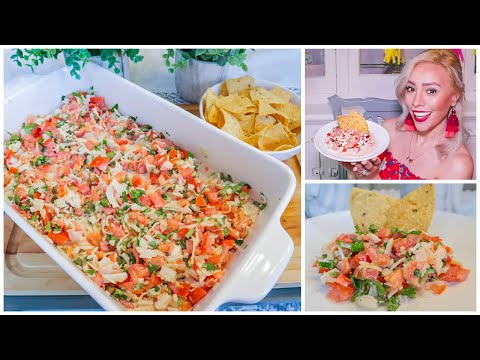
Crab Ceviche with Jalapeño
Description
In this ceviche, the acid from lime juice denatures the crab’s surface proteins, tightening texture while preserving delicate sweetness. The ratio of citrus to crab must be controlled to avoid over-curing, which can toughen the meat. Jalapeño introduces capsaicin-driven heat that balances the acid’s sharpness and enhances perceived freshness. Salt calibrates osmotic draw, ensuring moisture release without collapse of the crab’s natural fibers. Diced cucumber and red onion contribute water activity and crisp contrast, stabilizing mouthfeel. The inclusion of avocado at plating adds lipid cushioning, moderating acidity and extending flavour persistence across the palate.
Ingredients
Ingredients
Instructions
Instructions
Step 1
Combine lime juice, minced jalapeño, salt, and black pepper in a Mixing Bowl. Whisk to dissolve salt completely and chill the mixture for 5 minutes.Ensure lime juice is cold before mixing to slow enzymatic degradation and maintain bright acidity.Step 2
Add the crab meat to the chilled curing liquid, gently folding with a Silicone Spatula to coat evenly. Cover and refrigerate for 20–30 minutes to allow acid denaturation.Do not exceed 30 minutes of curing; prolonged exposure tightens proteins and reduces tenderness.Step 3
While the crab cures, combine diced red onion and cucumber in a separate Mixing Bowl. Toss lightly with olive oil and a small pinch of salt, then drain any excess liquid.Draining prevents dilution of the ceviche base and preserves crisp vegetable texture.Step 4
Remove the crab from refrigeration and fold in the prepared vegetables and chopped cilantro. Adjust seasoning with additional lime juice or salt if required.Taste after mixing; acid perception stabilises once the mixture reaches uniform temperature.Step 5
Plate the ceviche immediately on a chilled dish, garnishing with avocado slices and cilantro leaves. Serve cold.Use chilled plates to maintain low service temperature and prevent rapid flavour volatilisation.
Recommended Equipment

Nutrition Facts
Servings 4
Serving Size 1 portion
- Amount Per Serving
- Calories 195.23kcal
- % Daily Value *
- Total Fat 11.45g18%
- Saturated Fat 1.64g9%
- Cholesterol 31.5mg11%
- Sodium 1215.18mg51%
- Potassium 521mg15%
- Total Carbohydrate 9.76g4%
- Dietary Fiber 4.24g17%
- Sugars 2.21g
- Protein 15.33g31%
- Vitamin A 332.91 IU
- Vitamin C 26.59 mg
- Calcium 56.52 mg
- Iron 0.95 mg
- Vitamin E 1.81 mg
- Vitamin K 23.53 mcg
- Thiamin 0.09 mg
- Riboflavin 0.12 mg
- Niacin 1.85 mg
- Vitamin B6 0.31 mg
- Folate 86.61 mcg
- Vitamin B12 6.75 mcg
- Pantothenic Acid 1.11 mg
- Phosphorus 208.23 mg
- Magnesium 60.39 mg
- Zinc 4.91 mg
- Selenium 27.71 mcg
- Copper 0.83 mg
- Manganese 0.19 mg
* Nutrition information is provided as an estimate per serving and may vary depending on the ingredients, brands, substitutions, portion sizes and preparation methods used. Percent Daily Values (%DV) are based on U.S. FDA reference values for a 2,000-calorie diet and are intended as a general guide only. Individual nutritional needs vary. This information is not a substitute for advice from a registered dietitian or other qualified healthcare professional.
Note
Store in an airtight container under refrigeration, ensuring minimal air exposure to preserve flavour integrity and textural balance. The resting phase supports structural stabilisation and moisture redistribution. Cutting or serving too early may compromise internal balance. Spice intensity can deepen over time as volatile compounds settle. Taste and adjust seasoning after resting. Monitor seasoning levels after storage, as salt perception can shift once chilled.


