
Recipe Snapshot
Recipe at a Glance
Key timing, yield and style details before you start cooking.
Fat and Emulsion Balance in Dairy-Based Dips
This dip relies on the controlled balance between dairy fat and acid to achieve a stable, creamy texture. Sour cream provides lactic acidity that tightens the protein matrix, while mayonnaise contributes emulsified fat that enhances mouthfeel. Parmesan introduces both umami and salt, but its low moisture content requires careful blending to prevent graininess. The hydration from a small amount of milk or cream ensures spreadability without thinning the structure excessively. Garlic’s sulfur compounds integrate best when tempered by fat, preventing harshness and supporting a rounded flavour profile. Salt calibration must account for the inherent salinity of Parmesan to avoid over-seasoning.
Temperature and Mixing Control for Stability
Maintaining ingredient temperature near refrigeration level during mixing prevents fat separation and ensures a cohesive emulsion. Overmixing at high speed or with warm components can cause the mayonnaise base to split. The garlic should be cooked briefly to moderate its pungency before incorporation, allowing its flavour to disperse evenly through the fat matrix. Using a Stick Blender or Food Processor at low speed ensures uniform dispersion of solids without aeration. The final product should be chilled to allow the fat phase to firm slightly, improving viscosity and dip stability during service.
Textural Transformation Through Integration
The transformation from separate dairy and fat components into a unified dip occurs through controlled shear and emulsification. As Parmesan hydrates within the mixture, its proteins swell slightly, thickening the base. The garlic, once softened, releases aromatic oils that bind with the fat phase, enhancing depth. The resting period allows flavour diffusion and structural tightening as the emulsion stabilises. This phase is critical for achieving a smooth, spoonable consistency rather than a loose dressing. Proper integration yields a dip that coats evenly and holds its form under heat exposure from serving environments.
Workflow Efficiency and Storage Logic
Professional execution benefits from sequencing efficiency: cook and cool the garlic first, then assemble the base while it rests. All components should be pre-measured to avoid temperature drift during blending. The dip can be prepared in advance and held under refrigeration for up to three days, improving flavour integration. Avoid freezing, as the emulsion will break upon thawing. For service, portioning into shallow containers limits repeated temperature cycling. The workflow supports consistent yield and texture across multiple batches without requiring last-minute adjustments.
Culinary Lineage and Regional Context
Creamy garlic Parmesan dip draws from Italian-American flavour structures that combine aged cheese with emulsified dairy bases. The use of Parmesan and garlic reflects northern Italian influences, while the inclusion of mayonnaise and sour cream represents American adaptation for cold-service spreads. This hybridisation aligns with the evolution of antipasto accompaniments and modern casual dining condiments. The technique mirrors classical aioli and bagna càuda emulsions but is stabilised for chilled presentation. Its widespread use in restaurant service demonstrates the adaptation of Mediterranean flavour logic to refrigerated, high-volume production formats.
Recipe Education
Learn the Skills Behind This Recipe
Build confidence with cooking skills, techniques, and tools used in this recipe.
How to Fry Properly
Understand pan heat, oil temperature, and how to get better frying results.
Recommended for the fry method used in this recipe.
Cooking Basics
Build safer knife preparation, heat control, timing, and everyday kitchen confidence.
Helpful when using chef knife during preparation.
Cookware Guide
Learn which pots and pans work best for frying, sautéing, simmering, and roasting.
Helpful when using frying pan during preparation.
Teaspoons to Grams
Use small-measure conversions more accurately in cooking and baking.
Helpful when using measuring spoons during preparation.
Baking Tools Guide
Understand essential tools for mixing, measuring, and preparing recipes.
Helpful when using mixing bowl during preparation.
Batch Cooking
Cook once and prepare multiple meals more efficiently.
Selected for this type of recipe.


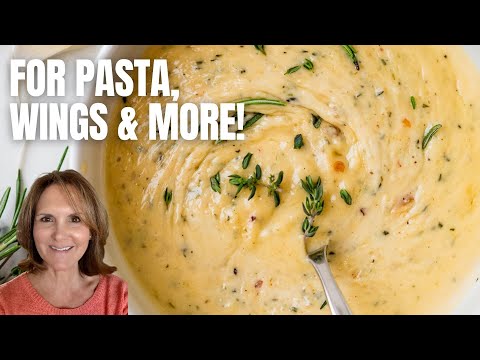
Creamy Garlic Parmesan Dip
Description
This dip relies on the controlled balance between dairy fat and acid to achieve a stable, creamy texture. Sour cream provides lactic acidity that tightens the protein matrix, while mayonnaise contributes emulsified fat that enhances mouthfeel. Parmesan introduces both umami and salt, but its low moisture content requires careful blending to prevent graininess. The hydration from a small amount of milk or cream ensures spreadability without thinning the structure excessively. Garlic’s sulfur compounds integrate best when tempered by fat, preventing harshness and supporting a rounded flavour profile. Salt calibration must account for the inherent salinity of Parmesan to avoid over-seasoning.
Ingredients
Ingredients
Instructions
Instructions
Step 1
Heat olive oil in a Frying Pan over low heat. Add minced garlic and sauté for 1–2 minutes until fragrant but not browned. Remove from heat and cool completely.Keep the garlic below 120°C to prevent bitterness and preserve sweetness through controlled Maillard onset.Step 2
In a Mixing Bowl, combine mayonnaise and sour cream. Whisk until smooth and fully integrated.Use a Silicone Spatula to scrape the bowl sides frequently to maintain uniform fat dispersion.Step 3
Add the cooled garlic, grated Parmesan, salt, and black pepper to the bowl. Mix until evenly distributed.Fold rather than whip to avoid incorporating air, which can cause surface oxidation during storage.Step 4
Gradually whisk in milk until desired consistency is achieved. Adjust seasoning with lemon juice for acidity balance.Introduce milk in small increments to prevent over-thinning; the dip should coat the back of a spoon.Step 5
Transfer the dip to a Food Storage Container, cover, and refrigerate for at least 30 minutes before serving to allow flavours to meld.Chilling stabilises the emulsion and enhances flavour integration through fat crystallisation.
Recommended Equipment

Nutrition Facts
Servings 6
Serving Size 1 portion
- Amount Per Serving
- Calories 234.31kcal
- % Daily Value *
- Total Fat 23.24g36%
- Saturated Fat 6.08g31%
- Cholesterol 25.65mg9%
- Sodium 423.86mg18%
- Potassium 50.93mg2%
- Total Carbohydrate 2.11g1%
- Sugars 1.05g
- Protein 4.46g9%
- Vitamin A 204.39 IU
- Vitamin C 0.95 mg
- Calcium 146.78 mg
- Iron 0.19 mg
- Vitamin E 1.08 mg
- Vitamin K 34.71 mcg
- Thiamin 0.02 mg
- Riboflavin 0.07 mg
- Vitamin B6 0.04 mg
- Vitamin B12 0.21 mcg
- Pantothenic Acid 0.17 mg
- Phosphorus 94.1 mg
- Magnesium 7.6 mg
- Zinc 0.4 mg
- Selenium 3.65 mcg
- Manganese 0.05 mg
* Nutrition information is provided as an estimate per serving and may vary depending on the ingredients, brands, substitutions, portion sizes and preparation methods used. Percent Daily Values (%DV) are based on U.S. FDA reference values for a 2,000-calorie diet and are intended as a general guide only. Individual nutritional needs vary. This information is not a substitute for advice from a registered dietitian or other qualified healthcare professional.
Note
For best structural retention, cool uncovered briefly before storage to prevent trapped steam from softening exterior crust or caramelised surfaces. The resting phase supports structural stabilisation and moisture redistribution. Cutting or serving too early may compromise internal balance. Dairy-based elements may thicken further upon cooling. Reheat gently to prevent separation or grainy texture. In larger batches, maintain even heat distribution and avoid overcrowding during reheating to preserve structural integrity. When reheating crisp components, use dry heat rather than microwave methods to maintain exterior texture. Texture refinement often occurs naturally during resting due to internal moisture redistribution.


