
Recipe Snapshot
Recipe at a Glance
Key timing, yield and style details before you start cooking.
Protein Coating and Structural Balance
The coating system for these chicken bites relies on a dual-phase starch and protein matrix. The initial dredge of seasoned flour establishes a dry interface for adhesion, while the subsequent egg wash introduces protein that binds the second flour layer. This layering traps moisture during frying, preventing excessive oil absorption. The starch gelatinises rapidly on contact with hot oil, forming a rigid shell that maintains crispness even after saucing. Salt and paprika in the flour not only season but also influence surface dehydration, enhancing browning through Maillard reactions. The chicken’s internal moisture is preserved by the coating barrier, ensuring a tender interior beneath the crisp crust.
Heat Management and Frying Control
Maintaining consistent oil temperature between 175–180°C is critical for uniform crust formation. Below this range, the coating absorbs oil and becomes greasy; above it, the exterior darkens before the interior reaches safe temperature. Small batch frying prevents thermal drop and ensures even convection around each piece. Resting the fried chicken briefly on a rack rather than paper towels avoids steam entrapment, preserving surface crispness. The sauce is heated separately to a controlled simmer for reduction, ensuring viscosity without caramelising sugars excessively. Proper sequencing—fry first, then glaze—prevents the coating from softening prematurely.
Sauce Reduction and Flavour Integration
The honey BBQ sauce achieves balance through controlled reduction and emulsification. Honey provides viscosity and gloss, while tomato paste and vinegar contribute acidity and umami. The reduction phase concentrates sugars and aromatics, producing a cohesive glaze that clings effectively to the fried coating. Stirring during simmering prevents localised scorching of sugars. The final consistency should coat the back of a spoon without dripping freely, indicating proper water evaporation. When tossed with the chicken, residual surface heat activates the sauce’s binding potential, creating a uniform lacquer without compromising crispness.
Workflow Efficiency and Component Timing
Efficient execution depends on parallel preparation. The sauce can be reduced while the chicken marinates, minimising idle time. Pre-measuring dredge components and maintaining a clean hand–wet hand system during coating prevents cross-contamination and accelerates throughput. Using a wire rack over a baking sheet for draining allows immediate reuse of oil batches without contamination from excess crumbs. The workflow should conclude with immediate saucing and service to maintain textural contrast. Proper mise en place—organised bowls for dredge, egg wash, and resting tray—ensures consistent output under time pressure.
Regional Technique Lineage and Adaptation
This preparation draws from Southern American fried chicken methodology, adapted into a bite-sized format for modern service. The honey BBQ glaze reflects post-1970s barbecue sauce evolution, where sweet–acidic profiles became dominant in casual dining. The technique merges deep frying with reduction-based saucing, a hybrid approach common in American bar food culture. The dish’s structure—crispy protein coated in a sweet-spiced glaze—demonstrates the influence of both Southern frying traditions and Kansas City–style barbecue sauce development, optimised here for controlled small-batch execution.
Recipe Education
Learn the Skills Behind This Recipe
Build confidence with cooking skills, techniques, and tools used in this recipe.
Cookware Guide
Learn which pots and pans work best for frying, sautéing, simmering, and roasting.
Helpful when using frying pan during preparation.
How to Fry Properly
Understand pan heat, oil temperature, and how to get better frying results.
Recommended for the fry method used in this recipe.
Baking Tools Guide
Understand essential tools for mixing, measuring, and preparing recipes.
Helpful when using mixing bowl during preparation.


Crispy Chicken Bites with Honey BBQ Sauce
Description
The coating system for these chicken bites relies on a dual-phase starch and protein matrix. The initial dredge of seasoned flour establishes a dry interface for adhesion, while the subsequent egg wash introduces protein that binds the second flour layer. This layering traps moisture during frying, preventing excessive oil absorption. The starch gelatinises rapidly on contact with hot oil, forming a rigid shell that maintains crispness even after saucing. Salt and paprika in the flour not only season but also influence surface dehydration, enhancing browning through Maillard reactions. The chicken’s internal moisture is preserved by the coating barrier, ensuring a tender interior beneath the crisp crust.
Ingredients
Ingredients
Instructions
Instructions
Step 1
Combine flour, paprika, garlic powder, salt, and black pepper in a Mixing Bowl. Whisk to distribute seasonings evenly.Sift the flour mixture once to eliminate clumps and ensure uniform coating adhesion.Step 2
Dip chicken cubes into the seasoned flour, then into beaten eggs, and back into the flour to create a double coating. Place coated pieces on a Sheet Rack for 10 minutes to set.Allowing the coating to rest before frying improves adhesion and reduces flour shedding in the oil.Step 3
Heat vegetable oil in a Frying Pan to 175°C. Fry chicken in small batches for 4–5 minutes until golden brown and internal temperature reaches 75°C. Transfer to a Cooling Rack to drain.Monitor oil temperature with a Thermometer(Meat) to prevent thermal drop between batches.Step 4
In a Saucepan, combine ketchup, honey, apple cider vinegar, soy sauce, smoked paprika, and butter. Simmer over medium heat for 6–8 minutes until slightly thickened.Stir continuously with a Silicone Spatula to prevent sugar crystallisation and uneven reduction.Step 5
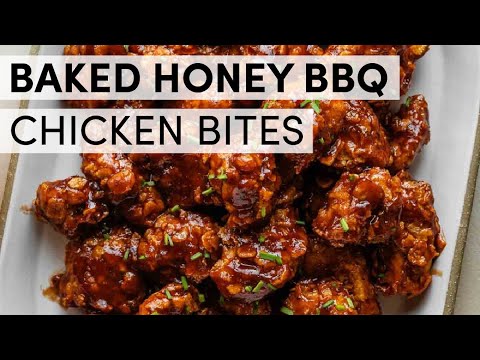
Toss fried chicken bites in the warm honey BBQ sauce until evenly coated. Serve immediately while the exterior remains crisp.Coat the chicken just before service to preserve the contrast between crisp crust and sticky glaze.
Recommended Equipment

Nutrition Facts
Servings 4
Serving Size 1 portion
- Amount Per Serving
- Calories 1428.27kcal
- % Daily Value *
- Total Fat 123.86g191%
- Saturated Fat 20.87g105%
- Cholesterol 169.47mg57%
- Sodium 1264.91mg53%
- Potassium 660.52mg19%
- Total Carbohydrate 49.34g17%
- Dietary Fiber 1.47g6%
- Sugars 23.45g
- Protein 33.54g68%
- Vitamin A 905.96 IU
- Vitamin C 2.67 mg
- Calcium 34.99 mg
- Iron 2.86 mg
- Vitamin D 0.56 mcg
- Vitamin E 10.68 mg
- Vitamin K 214.51 mcg
- Thiamin 0.34 mg
- Riboflavin 0.45 mg
- Niacin 15.51 mg
- Vitamin B6 1.08 mg
- Folate 74.8 mcg
- Vitamin B12 0.45 mcg
- Pantothenic Acid 2.33 mg
- Phosphorus 360.2 mg
- Magnesium 50.67 mg
- Zinc 1.41 mg
- Selenium 57.62 mcg
- Copper 0.14 mg
- Manganese 0.37 mg
* Nutrition information is provided as an estimate per serving and may vary depending on the ingredients, brands, substitutions, portion sizes and preparation methods used. Percent Daily Values (%DV) are based on U.S. FDA reference values for a 2,000-calorie diet and are intended as a general guide only. Individual nutritional needs vary. This information is not a substitute for advice from a registered dietitian or other qualified healthcare professional.
Note
Allow the dish to cool gradually before sealing. Rapid temperature shifts can create condensation, weakening texture and diluting surface flavour concentration. The resting phase supports structural stabilisation and moisture redistribution. Cutting or serving too early may compromise internal balance. Spice intensity can deepen over time as volatile compounds settle. Taste and adjust seasoning after resting. Slow-cooked preparations often improve after several hours or overnight refrigeration as aromatic compounds integrate more fully. When reheating crisp components, use dry heat rather than microwave methods to maintain exterior texture. Texture refinement often occurs naturally during resting due to internal moisture redistribution.


