
Recipe Snapshot
Recipe at a Glance
Key timing, yield and style details before you start cooking.
Starch Gelatinisation and Sugar Crystallisation Control
Daigaku Imo relies on the interplay between the starch matrix of Japanese sweet potatoes and the sugar syrup’s crystallisation behaviour. The sweet potato’s high amylose content allows the interior to gelatinise while maintaining a firm exterior when fried correctly. The sugar syrup, composed of sugar, honey, and soy sauce, must reach a controlled soft crack stage to coat without hardening excessively. The inclusion of soy sauce introduces sodium ions that subtly inhibit uncontrolled crystallisation, while honey contributes invert sugars that stabilise the syrup’s viscosity. Proper sequencing—frying before coating—ensures the syrup adheres evenly without moisture interference from residual steam.
Heat Management and Frying Phase Precision
Temperature staging is critical. The sweet potatoes are first fried at moderate heat to cook through without browning, then refried at higher temperature to achieve a crisp surface. This two-stage frying prevents internal moisture from rupturing the sugar coating later. Oil temperature must remain between 150°C and 180°C, with minimal fluctuation. Excessive heat causes surface blistering and uneven caramel adhesion, while insufficient heat leads to oil absorption and soggy texture. The syrup reduction requires medium heat to reach a glossy, thread-like consistency before coating. Carryover heat from the potatoes completes the final sugar set.
Textural Transformation and Glaze Formation
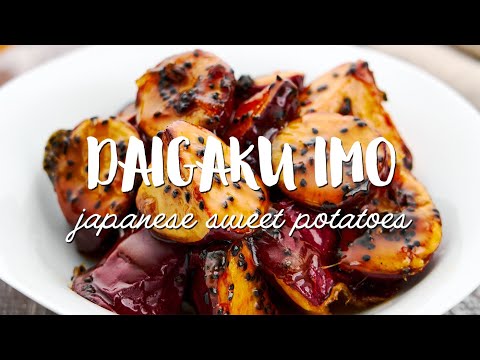
During frying, the sweet potato’s cell walls soften and starch granules swell, creating a tender interior. The subsequent sugar coating phase transforms the surface through rapid moisture evaporation and sugar polymerisation. The glaze transitions from fluid to glassy as temperature drops, forming a thin, crisp shell. The sesame seed garnish adds micro-textural contrast and aromatic depth through light toasting. The balance between syrup viscosity and coating temperature determines the final crunch level—too hot and the glaze becomes brittle; too cool and it remains tacky. Controlled cooling on a rack ensures even crystallisation and prevents pooling.
Workflow Sequencing and Efficiency
Efficient mise en place reduces syrup crystallisation risk. Sweet potatoes should be cut, rinsed, and dried before oil heating begins. Syrup preparation must start only after frying is complete to prevent premature hardening. Using a single Frying Pan for syrup and a separate one for frying avoids cross-contamination of oil and sugar residues. Parallel cooling and syrup reduction stages optimise timing. The entire workflow benefits from precise temperature monitoring and immediate transfer of fried pieces into syrup to ensure adhesion before the glaze sets. Avoiding idle time between stages maintains coating uniformity.
Cultural and Historical Context
Daigaku Imo originated in early 20th-century Tokyo, associated with university canteens where inexpensive sweet potatoes were candied as a student snack. The technique reflects Japan’s adaptation of Western caramelisation methods to local starches and sweeteners. The use of soy sauce and sesame integrates Japanese flavour balance principles—salty, sweet, and nutty. Over time, the dish evolved from street food to a confectionery staple, maintaining its dual identity as both snack and dessert. Modern versions retain the traditional frying and glazing sequence, demonstrating continuity of method rather than reinvention.
Recipe Education
Learn the Skills Behind This Recipe
Build confidence with cooking skills, techniques, and tools used in this recipe.
Cookware Guide
Learn which pots and pans work best for frying, sautéing, simmering, and roasting.
Helpful when using frying pan during preparation.
How to Fry Properly
Understand pan heat, oil temperature, and how to get better frying results.
Recommended for the fry method used in this recipe.
Cooking Basics
Build safer knife preparation, heat control, timing, and everyday kitchen confidence.
Helpful when using chef knife during preparation.


Daigaku Imo (Candied Sweet Potato)
Description
Daigaku Imo relies on the interplay between the starch matrix of Japanese sweet potatoes and the sugar syrup’s crystallisation behaviour. The sweet potato’s high amylose content allows the interior to gelatinise while maintaining a firm exterior when fried correctly. The sugar syrup, composed of sugar, honey, and soy sauce, must reach a controlled soft crack stage to coat without hardening excessively. The inclusion of soy sauce introduces sodium ions that subtly inhibit uncontrolled crystallisation, while honey contributes invert sugars that stabilise the syrup’s viscosity. Proper sequencing—frying before coating—ensures the syrup adheres evenly without moisture interference from residual steam.
Ingredients
Ingredients
Instructions
Instructions
Step 1
Rinse the sweet potato wedges under cold water to remove surface starch, then pat completely dry with paper towels.Residual moisture causes oil splatter and prevents even browning; ensure full surface dryness before frying.Step 2
Heat vegetable oil in a Frying Pan to 150°C. Fry the sweet potatoes in batches for 5–6 minutes until tender but pale. Remove and drain on a Cooling Rack.Maintain consistent oil temperature by avoiding overcrowding; temperature drop extends cooking time and increases oil absorption.Step 3
Increase oil temperature to 180°C and refry the sweet potatoes for 1–2 minutes until golden and crisp. Drain thoroughly.Use a Thermometer(Meat) or Digital Probe to verify oil recovery between batches for uniform texture.Step 4
In a clean Saucepan, combine sugar, honey, soy sauce, and water. Heat over medium until the syrup reaches a light amber colour and forms thin threads when lifted with a Spatula.Avoid stirring once sugar dissolves; agitation can trigger premature crystallisation and grainy texture.Step 5
Add the hot fried sweet potatoes directly into the syrup, tossing quickly with a Silicone Spatula until evenly coated. Transfer immediately to a Cooling Rack and sprinkle with toasted black sesame seeds.Work rapidly while syrup is fluid; delayed transfer results in uneven coating and clumping.
Recommended Equipment

Nutrition Facts
Servings 4
Serving Size 1 portion
- Amount Per Serving
- Calories 1269.45kcal
- % Daily Value *
- Total Fat 116.44g180%
- Saturated Fat 17.75g89%
- Sodium 321.23mg14%
- Potassium 447.28mg13%
- Total Carbohydrate 59.48g20%
- Dietary Fiber 4.07g17%
- Sugars 38.88g
- Protein 2.87g6%
- Vitamin A 17733.95 IU
- Vitamin C 3.05 mg
- Calcium 61.33 mg
- Iron 1.28 mg
- Vitamin E 9.75 mg
- Vitamin K 214.06 mcg
- Thiamin 0.12 mg
- Riboflavin 0.1 mg
- Niacin 0.99 mg
- Vitamin B6 0.28 mg
- Folate 16.95 mcg
- Pantothenic Acid 1.03 mg
- Phosphorus 79.17 mg
- Magnesium 41.19 mg
- Zinc 0.59 mg
- Selenium 1.79 mcg
- Copper 0.28 mg
- Manganese 0.41 mg
* Nutrition information is provided as an estimate per serving and may vary depending on the ingredients, brands, substitutions, portion sizes and preparation methods used. Percent Daily Values (%DV) are based on U.S. FDA reference values for a 2,000-calorie diet and are intended as a general guide only. Individual nutritional needs vary. This information is not a substitute for advice from a registered dietitian or other qualified healthcare professional.
Note
For best structural retention, cool uncovered briefly before storage to prevent trapped steam from softening exterior crust or caramelised surfaces. The resting phase supports structural stabilisation and moisture redistribution. Cutting or serving too early may compromise internal balance. When reheating crisp components, use dry heat rather than microwave methods to maintain exterior texture. Monitor seasoning levels after storage, as salt perception can shift once chilled.


