
Recipe Snapshot
Recipe at a Glance
Key timing, yield and style details before you start cooking.
Duck à l’Orange is a classic French dish that beautifully marries the rich, succulent flavors of roasted duck with a vibrant and zesty orange sauce. This dish embodies the elegance of French cuisine and showcases the art of balancing savory and sweet. The tender duck is complemented by a luscious sauce that captures the essence of citrus, creating a symphony of flavors that dance on the palate.
The origins of Duck à l’Orange can be traced back to 19th-century France, where it became a staple in the repertoire of haute cuisine. It is said that the dish was popularized by the great chefs of the time, who sought to elevate simple ingredients into extraordinary culinary masterpieces. This dish holds a special place in the hearts of many, often served during festive occasions and family gatherings, symbolizing celebration and togetherness. The historical significance of Duck à l’Orange reflects the sophistication and artistry of French cooking, making it a must-try for any aspiring home chef.
What sets Duck à l’Orange apart from other poultry dishes is its unique combination of flavors and cooking techniques. The duck is typically seasoned and roasted to perfection, ensuring that the skin is crispy while the meat remains juicy and tender. The orange sauce, made from fresh juice, stock, and a touch of sweetness, is carefully crafted to enhance the natural richness of the duck. This delicate balance between sweet and savory is what makes this dish a true culinary delight. The use of high-quality ingredients, such as fresh oranges and premium duck, elevates the dish, showcasing the importance of sourcing the best components for a memorable meal. As you embark on this cooking journey, you’ll discover that Duck à l’Orange is more than just a recipe; it’s an experience that reflects the passion and dedication of French gastronomy.
Recipe Education
Learn the Skills Behind This Recipe
Build confidence with cooking skills, techniques, and tools used in this recipe.
How to Roast Properly
Improve roasting with better tray setup, timing, and oven heat balance.
Recommended for the roast method used in this recipe.
How to Sauté Properly
Master fast cooking, pan heat, and ingredient timing for better texture.
Recommended for the saute method used in this recipe.
Cookware Guide
Learn which pots and pans work best for frying, sautéing, simmering, and roasting.
Helpful when using saucepan during preparation.
Oven Temperature Conversions
Understand oven temperatures and how they affect baking and roasting.
Recommended for the roast method used in this recipe.
Simmer vs Boil
Learn when to simmer, when to boil, and how each affects recipe results.
Recommended for the simmer method used in this recipe.
Cooking Basics
Build safer knife preparation, heat control, timing, and everyday kitchen confidence.
Helpful when using chef knife during preparation.


Duck à l’Orange
Description
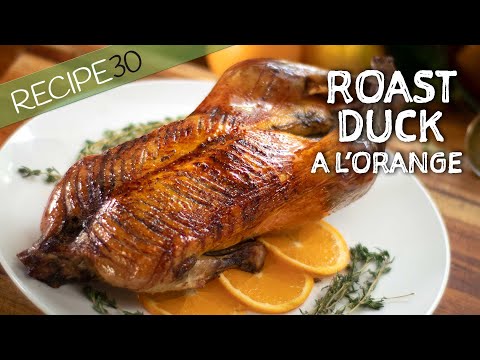
This elegant dish features crispy-skinned duck paired with a sweet and tangy orange sauce, embodying the perfect balance of flavors that will transport you to a fine dining restaurant right at home.
Ingredients
Ingredients for Duck à l’Orange
Instructions
Preparing the Duck
Choosing the Duck
Select a high-quality duck, preferably a Pekin or Moulard, weighing around 4 to 5 pounds. Ensure the skin is intact and has a beautiful sheen.Look for ducks that are fresh and have been properly stored to enhance flavor.Seasoning the Duck
Pat the duck dry with paper towels, then season generously inside and out with salt and freshly cracked black pepper. Allow it to sit at room temperature for about 30 minutes.This step is crucial for achieving crispy skin; drying the skin helps render the fat.
Roasting the Duck
Prepping for Roasting
Preheat your oven to 400°F (200°C). Place the duck on a rack in a roasting pan, breast side up, and prick the skin all over with a sharp knife, being careful not to pierce the meat.Pricking the skin allows the fat to render out and results in a crispy skin.Roasting the Duck
Roast the duck for about 1 hour and 15 minutes, basting it every 20 minutes with the drippings. The skin should turn a deep golden-brown.If the skin is browning too quickly, cover it loosely with foil.
Making the Orange Sauce
Preparing the Sauce Base
While the duck roasts, zest and juice 3-4 oranges. In a saucepan, combine the orange juice, zest, 1/4 cup of sugar, and 1/2 cup of red wine vinegar. Bring to a simmer until slightly thickened, about 10 minutes.Adjust the sweetness and acidity to your taste; balancing these flavors is key.Finishing the Sauce
Once the sauce has reduced, add 1 tablespoon of butter and season with salt and pepper. Stir until the butter is melted and the sauce is silky.For an extra touch, you can add a splash of Grand Marnier for depth.
Serving the Duck
Resting the Duck
Once the duck is perfectly roasted, remove it from the oven and let it rest for 15 minutes before carving. This allows the juices to redistribute.Resting is essential for moist, flavorful meat.Plating the Dish
Carve the duck and arrange it on a serving platter. Drizzle with the orange sauce and garnish with orange segments and fresh herbs.Serve this dish with a side of roasted vegetables or creamy potato purée for an elegant meal.
Equipment

Nutrition Facts
Servings 4
- Amount Per Serving
- Calories 1275.83kcal
- % Daily Value *
- Total Fat 113.5g175%
- Saturated Fat 39.89g200%
- Cholesterol 222.99mg75%
- Sodium 417.73mg18%
- Potassium 879.02mg26%
- Total Carbohydrate 25.8g9%
- Dietary Fiber 3.14g13%
- Sugars 21.89g
- Protein 32.71g66%
- Vitamin A 3125.18 IU
- Vitamin C 137.83 mg
- Calcium 65.66 mg
- Iron 7.05 mg
- Vitamin D 1.91 mcg
- Vitamin E 3.37 mg
- Vitamin K 19.25 mcg
- Thiamin 0.64 mg
- Riboflavin 0.67 mg
- Niacin 11.68 mg
- Vitamin B6 0.79 mg
- Folate 89.78 mcg
- Vitamin B12 0.69 mcg
- Pantothenic Acid 3 mg
- Phosphorus 414.73 mg
- Magnesium 59.57 mg
- Zinc 3.98 mg
- Selenium 34.39 mcg
- Copper 0.69 mg
- Manganese 0.18 mg
* Nutrition information is provided as an estimate per serving and may vary depending on the ingredients, brands, substitutions, portion sizes and preparation methods used. Percent Daily Values (%DV) are based on U.S. FDA reference values for a 2,000-calorie diet and are intended as a general guide only. Individual nutritional needs vary. This information is not a substitute for advice from a registered dietitian or other qualified healthcare professional.
Note
- Use high-quality duck, preferably a whole duck with a good layer of fat for flavor and moisture.
- Score the duck skin in a crisscross pattern to help render the fat and achieve crispy skin; be careful not to cut into the meat.
- Season the duck generously with salt and pepper, allowing it to sit for at least an hour before cooking to enhance flavor.
- Roast the duck at a high temperature initially to crisp the skin, then lower the heat to cook it through without drying it out.
- For the orange sauce, use freshly squeezed orange juice combined with stock for depth; avoid overly sweet juices.
- Deglaze the pan with white wine after roasting to capture the flavorful bits stuck to the bottom, enhancing the sauce.
- Incorporate a touch of Grand Marnier or orange liqueur for complexity and an aromatic finish.
- Balance the sauce with a hint of acidity, like red wine vinegar, to cut through the richness of the duck.
- Allow the sauce to reduce until it coats the back of a spoon for a luxurious texture.
- Serve with sides that complement the dish, such as roasted root vegetables or creamy potato purée.
- Garnish with fresh orange segments or a sprinkle of orange zest for brightness and visual appeal.
- Allow the duck to rest before carving to retain juices and ensure tender meat.


User Reviews
Crispy skin and juicy meat. This is date-night energy for sure, feels like a restaurant meal at home.