
Recipe Snapshot
Recipe at a Glance
Key timing, yield and style details before you start cooking.
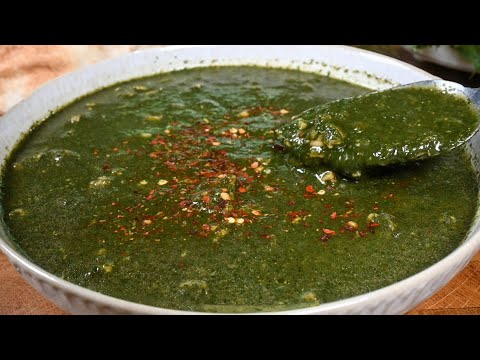
Molokhia is a traditional Egyptian dish made with the leaves of the jute plant, simmered to a velvety consistency and typically served with tender pieces of meat or poultry. This dish embodies comfort, warmth, and a deep connection to Egyptian culture, often gracing family tables and festive occasions alike.
Origins and Cultural Significance
The history of Molokhia stretches back thousands of years, with roots embedded in ancient Egypt. It is said that Molokhia was a favorite of the pharaohs, cherished for its nourishing qualities and unique flavor. The name itself derives from the Arabic word for “royal,” reflecting its esteemed place in the hearts of those who prepare and enjoy it. Over the centuries, this dish has transcended regional boundaries, adapting to various culinary traditions while remaining a symbol of home and family gatherings. In many Egyptian households, it is a staple, often prepared by generations, each adding their personal touch to the recipe, thus weaving a rich tapestry of flavors and memories.
Unique Ingredients and Flavors
At the heart of Molokhia are its vibrant green leaves, which boast a distinct earthy flavor and a slightly mucilaginous texture when cooked. This unique characteristic is often what intrigues newcomers to the dish, inviting adventurous eaters to experience something truly different. The leaves are commonly combined with garlic, coriander, and a splash of lemon for brightness, enhancing the dish’s overall profile. The cooking technique is equally important; the leaves should be gently simmered to preserve their nutrients and vibrant color while achieving the perfect consistency. Whether served over a steaming bed of rice or with crusty bread to soak up the rich broth, Molokhia is more than just food; it’s an experience that connects you to a culture steeped in history and tradition.
As you embark on your journey to recreate this beloved dish, remember that every bowl of Molokhia tells a story—a story of love, heritage, and the simple joy of sharing a meal with those you hold dear.
Recipe Education
Learn the Skills Behind This Recipe
Build confidence with cooking skills, techniques, and tools used in this recipe.
How to Boil Properly
Learn boiling times, temperature control, and how to avoid overcooking.
Recommended for the boil method used in this recipe.
How to Sauté Properly
Master fast cooking, pan heat, and ingredient timing for better texture.
Recommended for the saute method used in this recipe.
Cookware Guide
Learn which pots and pans work best for frying, sautéing, simmering, and roasting.
Helpful when using saucepan during preparation.
Simmer vs Boil
Learn when to simmer, when to boil, and how each affects recipe results.
Recommended for the simmer method used in this recipe.
Cooking Basics
Build safer knife preparation, heat control, timing, and everyday kitchen confidence.
Helpful when using chef knife during preparation.


Egyptian Molokhia
Description
Molokhia, a beloved Egyptian dish, features finely chopped jute leaves simmered in a savory broth, offering a unique texture and depth of flavor that will transport you straight to the heart of Cairo.
Ingredients
Ingredients for Egyptian Molokhia
Instructions
Preparing the Molokhia
Wash and Prepare the Molokhia Leaves
Thoroughly wash the fresh molokhia leaves in cold water to remove any dirt or impurities. Gently pat them dry with a clean kitchen towel or use a salad spinner to remove excess water. Remove the thick stems and finely chop the leaves into small, bite-sized pieces.For the best flavor, use fresh molokhia leaves if available. If using frozen molokhia, ensure it's completely thawed and drained before proceeding.
Cooking the Broth
Prepare the Broth
In a large pot, add chicken or beef pieces along with water. Season with salt, pepper, and a few whole cloves of garlic. Bring to a boil over medium heat, then reduce to a simmer. Skim off any foam that rises to the surface for a clearer broth. Let it simmer for about 45 minutes to 1 hour until the meat is tender.Using homemade broth adds depth of flavor; however, store-bought can work in a pinch. Adjust seasoning to taste as the broth cooks.
Cooking the Molokhia
Sauté the Garlic and Spices
In a separate skillet, heat olive oil over medium heat. Add finely minced garlic and a pinch of ground coriander. Sauté until fragrant but not browned, about 2-3 minutes. This step infuses the oil with aromatic flavors that will elevate your dish.Be careful not to burn the garlic; burnt garlic can impart a bitter taste to the dish.Combine Molokhia with Broth
Once the broth is ready and the meat is tender, remove the chicken or beef and set aside. Add the chopped molokhia to the simmering broth along with the sautéed garlic mixture. Stir well and let it simmer for about 5-10 minutes until the leaves are tender but still vibrant green.Stirring gently helps avoid overcooking the molokhia, which could lead to a mushy texture.
Serving the Dish
Serve and Enjoy
Ladle the molokhia into bowls, ensuring each serving has a good amount of broth. Serve with the reserved meat on top, and a side of fluffy white rice or pita bread. A squeeze of lemon juice can brighten the flavors beautifully.For an extra touch, consider garnishing with additional sautéed garlic or a sprinkle of chili flakes for heat.
Equipment

Nutrition Facts
Servings 4
- Amount Per Serving
- Calories 327.04kcal
- % Daily Value *
- Total Fat 14.13g22%
- Saturated Fat 3.02g16%
- Cholesterol 0.98mg1%
- Sodium 1544.01mg65%
- Potassium 571.36mg17%
- Total Carbohydrate 58.77g20%
- Dietary Fiber 20.11g81%
- Sugars 0.24g
- Protein 9.16g19%
- Vitamin A 4641.75 IU
- Vitamin C 39.29 mg
- Calcium 654.47 mg
- Iron 32.92 mg
- Vitamin E 1.03 mg
- Vitamin K 4.72 mcg
- Thiamin 0.02 mg
- Riboflavin 0.38 mg
- Niacin 3.58 mg
- Vitamin B6 1.39 mg
- Folate 141.78 mcg
- Vitamin B12 0.18 mcg
- Pantothenic Acid 0.1 mg
- Phosphorus 129.22 mg
- Magnesium 98.93 mg
- Zinc 2.87 mg
- Selenium 4.84 mcg
- Copper 0.34 mg
- Manganese 6.27 mg
* Nutrition information is provided as an estimate per serving and may vary depending on the ingredients, brands, substitutions, portion sizes and preparation methods used. Percent Daily Values (%DV) are based on U.S. FDA reference values for a 2,000-calorie diet and are intended as a general guide only. Individual nutritional needs vary. This information is not a substitute for advice from a registered dietitian or other qualified healthcare professional.
Note
- Use fresh molokhia leaves for the best flavor and texture; if unavailable, frozen is a good alternative.
- Wash the leaves thoroughly to remove any grit or impurities before chopping.
- Finely chop the molokhia to release its natural flavor and ensure even cooking.
- Sauté minced garlic in olive oil until golden before adding the molokhia for an aromatic base.
- Use chicken or rabbit broth to enhance the dish; simmer the meat with spices for a more flavorful stock.
- Adjust the consistency by controlling the cooking time; longer cooking yields a thicker texture.
- Season with salt and pepper to taste, but be cautious with salt if using store-bought broth.
- Serve with lemon wedges to add a bright contrast to the rich flavors.
- Traditionally paired with rice or bread; consider serving alongside grilled meats for a complete meal.
- Experiment with spices like cumin or coriander to personalize the flavor profile.
- Garnish with fried garlic or crispy onions for added texture and visual appeal.


User Reviews
الملوخية طلعت مظبوطة جدًا، القوام ناعم والنكهة غنية بالثوم والكزبرة. مع الأرز كانت ممتازة.