
Recipe Snapshot
Recipe at a Glance
Key timing, yield and style details before you start cooking.
Acid Balance and Protein Interaction in Gaeng Som
The structural integrity of Gaeng Som relies on the controlled acidity from tamarind pulp, which defines the curry’s brightness and moderates shrimp protein tightening. Excess acid early in cooking can cause premature denaturation, leading to rubbery texture. The cha om (acacia) omelette introduces a mild sulfuric aroma and protein matrix that absorbs the sour broth without disintegrating. Palm sugar balances acidity through controlled caramelisation, while fish sauce contributes glutamates that round the sharpness. The sequencing—acid added after base aromatics and paste bloom—ensures the broth develops depth before final seasoning calibration.
Heat Management and Reduction Control
The curry base requires precise simmering rather than aggressive boiling. The paste must be sautéed briefly to release volatile oils before dilution, preventing raw spice notes. Once liquid is added, maintaining a steady simmer allows reduction without excessive evaporation. Shrimp are introduced only after the broth stabilises at medium heat to prevent overcooking. Carryover heat completes the cooking process off the burner. The cha om omelette is added last to absorb flavour without breaking apart, ensuring the broth remains clear and balanced rather than cloudy from protein leaching.
Transformation Through Simmering and Layering
During simmering, the curry undergoes a transformation from raw aromatics to a cohesive emulsion. The chili paste’s capsaicin disperses into the broth, while shallots and garlic soften, releasing sweetness that tempers acidity. Tamarind pulp integrates gradually, thickening the liquid through natural pectin. The cha om omelette absorbs the broth, creating a layered texture—soft interior with slightly firm edges. Shrimp proteins firm at 60–65°C, locking in moisture while maintaining translucence. The final reduction stage concentrates the broth to a balanced viscosity that coats the omelette and shrimp evenly.
Workflow Efficiency and Mise en Place Logic
Efficiency depends on staging components correctly. The curry paste should be prepared and portioned before heating begins. The cha om omelette can be cooked and cut in advance, held at room temperature for up to one hour. Shrimp should be cleaned and deveined just before cooking to prevent oxidation. Tamarind water and seasoning liquids should be pre-measured to avoid over-acidification during active simmering. This sequencing reduces downtime and ensures the broth’s reduction aligns with shrimp readiness, preventing texture degradation or uneven seasoning distribution.
Regional Technique Lineage and Cultural Context
Gaeng Som originates from Central and Southern Thailand, where sour curries evolved as a preservation strategy using tamarind and fermented fish elements. The inclusion of cha om omelette is a Central Thai adaptation, integrating local acacia shoots for aroma and texture. Southern versions often intensify spice and omit the omelette. The dish’s structure reflects Thai culinary logic—balancing sour, salty, and sweet through controlled reduction rather than thickening agents. Modern kitchens maintain the traditional simmering method, preserving the clarity and sharpness that define authentic Gaeng Som.
Recipe Education
Learn the Skills Behind This Recipe
Build confidence with cooking skills, techniques, and tools used in this recipe.
How to Fry Properly
Understand pan heat, oil temperature, and how to get better frying results.
Recommended for the fry method used in this recipe.
How to Sauté Properly
Master fast cooking, pan heat, and ingredient timing for better texture.
Recommended for the saute method used in this recipe.
Cookware Guide
Learn which pots and pans work best for frying, sautéing, simmering, and roasting.
Helpful when using saucepan during preparation.
Teaspoons to Grams
Use small-measure conversions more accurately in cooking and baking.
Helpful when using measuring spoons during preparation.
Baking Tools Guide
Understand essential tools for mixing, measuring, and preparing recipes.
Helpful when using mixing bowl during preparation.
Simmer vs Boil
Learn when to simmer, when to boil, and how each affects recipe results.
Recommended for the simmer method used in this recipe.


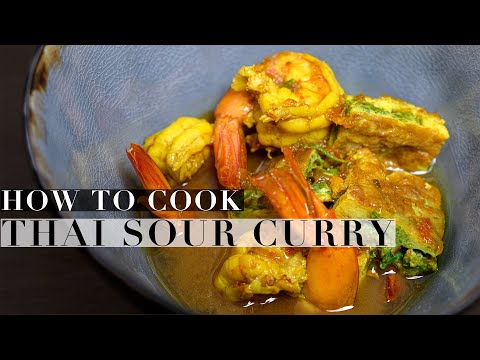
Gaeng Som Cha Om Goong (Acacia Shrimp Curry)
Description
The structural integrity of Gaeng Som relies on the controlled acidity from tamarind pulp, which defines the curry’s brightness and moderates shrimp protein tightening. Excess acid early in cooking can cause premature denaturation, leading to rubbery texture. The cha om (acacia) omelette introduces a mild sulfuric aroma and protein matrix that absorbs the sour broth without disintegrating. Palm sugar balances acidity through controlled caramelisation, while fish sauce contributes glutamates that round the sharpness. The sequencing—acid added after base aromatics and paste bloom—ensures the broth develops depth before final seasoning calibration.
Ingredients
Ingredients
Instructions
Instructions
Step 1
Whisk eggs with salt and fold in cha om leaves until evenly coated. Heat vegetable oil in a Non-stick Skillet over medium heat and pour in the mixture. Cook until set and lightly browned on both sides, then remove and cut into bite-sized squares.Avoid overcooking the omelette; slight under-set texture allows better absorption of curry broth later.Step 2
In a Saucepan, heat 1 cup of water and stir in red curry paste. Simmer gently for 2–3 minutes to release aroma and dissolve paste fully.Blooming the paste in minimal liquid intensifies flavour and prevents raw spice bitterness.Step 3
Add the remaining water to the Saucepan and bring to a steady simmer. Stir in tamarind water, fish sauce, and palm sugar. Adjust heat to maintain gentle bubbling.Keep the simmer moderate; excessive boiling can drive off volatile acids and flatten the sour profile.Step 4
Add shrimp to the simmering broth and cook for 2–3 minutes until just opaque. Remove from heat immediately to prevent overcooking.Shrimp will continue to cook in residual heat; remove once colour changes uniformly to pink.Step 5
Add the cha om omelette pieces into the hot broth and let stand for 2 minutes to absorb flavour before serving.Allowing the omelette to rest in the broth off heat preserves clarity and prevents protein clouding.
Recommended Equipment

Nutrition Facts
Servings 4
Serving Size 1 portion
- Amount Per Serving
- Calories 288.81kcal
- % Daily Value *
- Total Fat 13.01g21%
- Saturated Fat 2.97g15%
- Cholesterol 243.51mg82%
- Sodium 1097.48mg46%
- Potassium 439.11mg13%
- Total Carbohydrate 27.53g10%
- Dietary Fiber 7.26g30%
- Sugars 5.96g
- Protein 21.7g44%
- Vitamin A 2908.64 IU
- Vitamin C 12.56 mg
- Calcium 301.2 mg
- Iron 12.18 mg
- Vitamin D 0.66 mcg
- Vitamin E 0.91 mg
- Vitamin K 12.83 mcg
- Thiamin 0.05 mg
- Riboflavin 0.27 mg
- Niacin 0.79 mg
- Vitamin B6 0.51 mg
- Folate 63.92 mcg
- Vitamin B12 0.32 mcg
- Pantothenic Acid 0.52 mg
- Phosphorus 263.45 mg
- Magnesium 77.95 mg
- Zinc 2.4 mg
- Selenium 11.35 mcg
- Copper 0.47 mg
- Manganese 2.09 mg
* Nutrition information is provided as an estimate per serving and may vary depending on the ingredients, brands, substitutions, portion sizes and preparation methods used. Percent Daily Values (%DV) are based on U.S. FDA reference values for a 2,000-calorie diet and are intended as a general guide only. Individual nutritional needs vary. This information is not a substitute for advice from a registered dietitian or other qualified healthcare professional.
Note
Allow the dish to cool gradually before sealing. Rapid temperature shifts can create condensation, weakening texture and diluting surface flavour concentration. The resting phase supports structural stabilisation and moisture redistribution. Cutting or serving too early may compromise internal balance. Slow-cooked preparations often improve after several hours or overnight refrigeration as aromatic compounds integrate more fully. Monitor seasoning levels after storage, as salt perception can shift once chilled.


