
Recipe Snapshot
Recipe at a Glance
Key timing, yield and style details before you start cooking.
Fat Medium and Aromatic Control
The structural balance of Gambas al Ajillo depends on the controlled infusion of garlic and chili into olive oil without burning volatile compounds. Olive oil acts as both cooking medium and flavour carrier, extracting lipid-soluble aromatics from garlic and chili. The shrimp’s protein structure requires brief exposure to heat to prevent toughening, so the oil must be pre-flavoured before the protein enters. Salt calibration is critical; it enhances sweetness in the shrimp while moderating the oil’s richness. The acid from a finishing squeeze of lemon stabilises the palate and prevents palate fatigue from the fat content.
Heat Management and Timing Precision
Temperature staging defines the success of this dish. Garlic must be sautéed at low heat to achieve golden translucency without crossing into bitterness. Once aromatics are extracted, the heat is raised briefly to sear the shrimp, ensuring Maillard development without overcooking. Carryover heat continues cooking after removal from the pan, so shrimp should be pulled just as they turn opaque. Excessive heat during the aromatic phase will scorch the garlic, while insufficient heat during the shrimp phase will prevent proper surface caramelisation.
Textural and Flavour Transformation
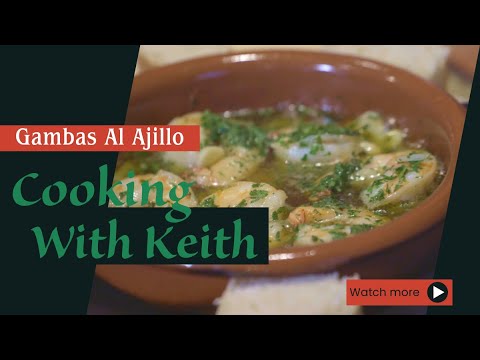
During cooking, shrimp proteins denature rapidly, firming from translucent to opaque. The oil absorbs shrimp juices, creating a natural emulsion that binds the flavours. Garlic softens and sweetens, while chili releases capsaicin into the oil, forming a balanced heat layer. The final texture should be tender shrimp suspended in aromatic oil with visible garlic slices. Overcooking collapses this balance, producing rubbery shrimp and bitter oil. Proper sequencing ensures a clean, layered flavour profile where each component retains structural integrity.
Workflow Efficiency and Mise en Place Logic
This dish demands complete mise en place before heat application. Garlic must be sliced uniformly for even browning, chili measured precisely, and shrimp deveined and dried to prevent oil splatter. The cooking window is under five minutes, leaving no margin for mid-process preparation. Professional kitchens stage the oil infusion first, then hold shrimp chilled until the final minute of service. This sequencing avoids overexposure to heat and ensures consistent texture across multiple portions.
Regional Technique Lineage
Gambas al Ajillo originates from Spanish tapas culture, particularly Andalusian and Madrid taverns where rapid, high-flavour dishes accompany sherry or wine. The technique reflects Mediterranean oil-based cooking, where olive oil serves as both cooking medium and sauce. Variants exist across coastal Spain, some incorporating paprika or parsley, others using earthenware cazuelas for heat retention. The modern skillet adaptation maintains the same principle—garlic-infused oil and quick-cooked seafood—translating traditional bar service efficiency into contemporary kitchen workflow.
Recipe Education
Learn the Skills Behind This Recipe
Build confidence with cooking skills, techniques, and tools used in this recipe.
How to Fry Properly
Understand pan heat, oil temperature, and how to get better frying results.
Recommended for the fry method used in this recipe.
How to Sauté Properly
Master fast cooking, pan heat, and ingredient timing for better texture.
Recommended for the saute method used in this recipe.
Cookware Guide
Learn which pots and pans work best for frying, sautéing, simmering, and roasting.
Helpful when using frying pan during preparation.
Teaspoons to Grams
Use small-measure conversions more accurately in cooking and baking.
Helpful when using measuring spoons during preparation.
Baking Tools Guide
Understand essential tools for mixing, measuring, and preparing recipes.
Helpful when using mixing bowl during preparation.
Cooking Basics
Build safer knife preparation, heat control, timing, and everyday kitchen confidence.
Helpful when using chef knife during preparation.


Gambas al Ajillo (Garlic Shrimp)
Description
The structural balance of Gambas al Ajillo depends on the controlled infusion of garlic and chili into olive oil without burning volatile compounds. Olive oil acts as both cooking medium and flavour carrier, extracting lipid-soluble aromatics from garlic and chili. The shrimp’s protein structure requires brief exposure to heat to prevent toughening, so the oil must be pre-flavoured before the protein enters. Salt calibration is critical; it enhances sweetness in the shrimp while moderating the oil’s richness. The acid from a finishing squeeze of lemon stabilises the palate and prevents palate fatigue from the fat content.
Ingredients
Ingredients
Instructions
Instructions
Step 1
Pat the shrimp dry with paper towels and season lightly with half of the sea salt. Set aside while preparing aromatics.Removing surface moisture ensures the shrimp sear properly without steaming in the oil.Step 2
Place the olive oil in a Saute Pan over low heat. Add sliced garlic and chili, allowing them to infuse gently for 2–3 minutes until the garlic turns light golden.Maintain low heat; garlic should bubble slowly without browning too fast to prevent bitterness.Step 3
Increase heat to medium-high and add the shrimp in a single layer. Cook for 1–2 minutes per side until just opaque and lightly pink.Do not overcrowd the pan; cook in batches if necessary to maintain even heat distribution.Step 4
Add smoked paprika if using, stir briefly to bloom the spice, then remove the pan from heat. Stir in lemon juice and chopped parsley.Adding lemon juice off heat preserves its brightness and prevents oil separation.Step 5
Transfer shrimp and infused oil to a serving dish immediately. Allow to rest for 2 minutes before serving to stabilise the emulsion.Resting allows residual heat to finish cooking and the oil to settle into a cohesive sauce.
Recommended Equipment

Nutrition Facts
Servings 2
Serving Size 1 portion
- Amount Per Serving
- Calories 491.67kcal
- % Daily Value *
- Total Fat 38.79g60%
- Saturated Fat 5.31g27%
- Cholesterol 252mg84%
- Sodium 2301.57mg96%
- Potassium 375.32mg11%
- Total Carbohydrate 7.81g3%
- Dietary Fiber 0.85g4%
- Sugars 1.56g
- Protein 28.42g57%
- Vitamin A 1141.83 IU
- Vitamin C 43.1 mg
- Calcium 135.36 mg
- Iron 1.37 mg
- Vitamin D 0.2 mcg
- Vitamin E 8.25 mg
- Vitamin K 88.61 mcg
- Thiamin 0.08 mg
- Riboflavin 0.07 mg
- Niacin 4.01 mg
- Vitamin B6 0.56 mg
- Folate 50.97 mcg
- Vitamin B12 2.22 mcg
- Pantothenic Acid 0.76 mg
- Phosphorus 515.82 mg
- Magnesium 54.69 mg
- Zinc 2.17 mg
- Selenium 60.64 mcg
- Copper 0.43 mg
- Manganese 0.27 mg
* Nutrition information is provided as an estimate per serving and may vary depending on the ingredients, brands, substitutions, portion sizes and preparation methods used. Percent Daily Values (%DV) are based on U.S. FDA reference values for a 2,000-calorie diet and are intended as a general guide only. Individual nutritional needs vary. This information is not a substitute for advice from a registered dietitian or other qualified healthcare professional.
Note
Store in an airtight container under refrigeration, ensuring minimal air exposure to preserve flavour integrity and textural balance. The resting phase supports structural stabilisation and moisture redistribution. Cutting or serving too early may compromise internal balance. Texture refinement often occurs naturally during resting due to internal moisture redistribution.


