
Recipe Snapshot
Recipe at a Glance
Key timing, yield and style details before you start cooking.
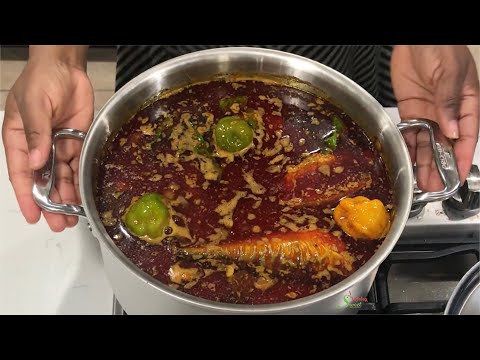
Ghanaian Palm Nut Soup is a rich, hearty dish that embodies the vibrant flavors and cultural heritage of West Africa. This traditional soup, known for its deep, nutty flavor and luscious texture, is often enjoyed with fufu or rice balls, making it a cherished comfort food among Ghanaians and lovers of African cuisine alike. The primary ingredient, palm nut extract, gives the soup its signature flavor and color, while an array of spices and proteins brings depth and warmth to the dish.
The origins of Palm Nut Soup can be traced back to the coastal regions of Ghana, where the oil palm tree flourishes. The indigenous people have utilized the palm fruit for centuries, creating various culinary delights that showcase its versatility. Traditionally prepared during festive occasions and gatherings, this soup has become a symbol of hospitality and community. It is often served during special celebrations, such as weddings or family reunions, where sharing a meal together strengthens bonds and creates lasting memories.
What truly makes this soup stand out are its unique ingredients. The palm nut extract, which is derived from the fleshy fruit of the oil palm, adds a distinct richness that cannot be replicated. Combined with fresh spices like ginger, garlic, and chilies, as well as a choice of proteins—be it chicken, fish, or goat—each bowl of Palm Nut Soup delivers a symphony of flavors. The cooking technique involves simmering the ingredients to allow the flavors to meld beautifully, resulting in a dish that feels both luxurious and comforting. This balance of taste and texture is what elevates Palm Nut Soup from a simple meal to an unforgettable culinary experience, one that nourishes not just the body but the soul.
Recipe Education
Learn the Skills Behind This Recipe
Build confidence with cooking skills, techniques, and tools used in this recipe.
How to Boil Properly
Learn boiling times, temperature control, and how to avoid overcooking.
Recommended for the boil method used in this recipe.
How to Sauté Properly
Master fast cooking, pan heat, and ingredient timing for better texture.
Recommended for the saute method used in this recipe.
Cookware Guide
Learn which pots and pans work best for frying, sautéing, simmering, and roasting.
Helpful when using saucepan during preparation.
Simmer vs Boil
Learn when to simmer, when to boil, and how each affects recipe results.
Recommended for the simmer method used in this recipe.
Cooking Basics
Build safer knife preparation, heat control, timing, and everyday kitchen confidence.
Helpful when using chef knife during preparation.


Ghanaian Palm Nut Soup
Description
This traditional Ghanaian Palm Nut Soup features a blend of spices and tender protein, creating a luscious and aromatic dish that embodies the essence of West African cuisine.
Ingredients
Ingredients for Ghanaian Palm Nut Soup
Instructions
Preparing the Base
Sauté the Onions
In a large pot, heat a generous amount of palm oil over medium heat. Once hot, add finely chopped onions and sauté until they are translucent and aromatic, about 5-7 minutes.Make sure not to burn the onions; a gentle sautéing ensures a sweet and rich base for the soup.Add the Tomatoes and Spices
Incorporate diced tomatoes, minced ginger, and minced garlic into the pot. Stir well, and let the mixture cook down for about 10 minutes, until the tomatoes have softened and released their juices.This step builds layers of flavor; feel free to add a pinch of salt to enhance the natural sweetness of the tomatoes.
Building the Soup
Incorporate Palm Nut Cream
Slowly add the palm nut cream to the pot, stirring thoroughly to combine with the tomato mixture. Pour in about 4 cups of water or broth, and bring it to a gentle simmer.For a richer flavor, consider using homemade palm nut cream, but canned versions work well in a pinch.Add Proteins and Vegetables
Introduce your choice of protein—this could be goat, chicken, or fish—along with any vegetables such as okra or bell peppers. Stir everything gently, ensuring the proteins are submerged in the broth.If using tougher meats like goat, allow more simmering time to ensure tenderness.
Finishing Touches
Season the Soup
Add seasonings such as bouillon cubes, ground pepper, and a dash of salt. Allow the soup to simmer uncovered for at least 30-45 minutes, stirring occasionally, until the proteins are cooked through and tender.Taste and adjust the seasoning as desired—Ghanaian palm nut soup should be rich and flavorful.Serve with Accompaniments
Once ready, serve the palm nut soup hot, garnished with fresh herbs like basil or parsley. It pairs beautifully with fufu or rice, allowing the creamy soup to soak into the sides.Encourage your guests to enjoy the experience of dipping fufu or rice into the savory sauce—it's a communal and delightful way to savor every bite.
Equipment

Nutrition Facts
Servings 4
- Amount Per Serving
- Calories 1453.12kcal
- % Daily Value *
- Total Fat 132.68g205%
- Saturated Fat 63.33g317%
- Cholesterol 171.93mg58%
- Sodium 637.71mg27%
- Potassium 1153.14mg33%
- Total Carbohydrate 9.85g4%
- Dietary Fiber 1.78g8%
- Sugars 3.5g
- Protein 57.09g115%
- Vitamin A 780.43 IU
- Vitamin C 8.86 mg
- Calcium 63.05 mg
- Iron 1.75 mg
- Vitamin D 0.25 mcg
- Vitamin E 21.22 mg
- Vitamin K 21.32 mcg
- Thiamin 0.22 mg
- Riboflavin 0.35 mg
- Niacin 27.5 mg
- Vitamin B6 2.08 mg
- Folate 26.49 mcg
- Vitamin B12 0.73 mcg
- Pantothenic Acid 3.72 mg
- Phosphorus 588.41 mg
- Magnesium 86.29 mg
- Zinc 1.94 mg
- Selenium 85.08 mcg
- Copper 0.28 mg
- Manganese 0.25 mg
* Nutrition information is provided as an estimate per serving and may vary depending on the ingredients, brands, substitutions, portion sizes and preparation methods used. Percent Daily Values (%DV) are based on U.S. FDA reference values for a 2,000-calorie diet and are intended as a general guide only. Individual nutritional needs vary. This information is not a substitute for advice from a registered dietitian or other qualified healthcare professional.
Note
- Use fresh palm nut extract for the richest flavor; canned versions can be substituted but may lack depth.
- When cooking the meat, sear it first to develop a robust flavor before adding water and other ingredients.
- Adjust the consistency of the soup by controlling the amount of water added; it should be thick but pourable.
- Include a variety of proteins for a more complex taste; consider combining chicken, beef, and smoked fish for depth.
- Toasting the ground crayfish before adding it enhances the umami flavor.
- Use a combination of fresh and dried herbs to elevate the aroma; basil or thyme can add a unique twist.
- Be mindful of the heat; start with a small amount of pepper and adjust to taste to avoid overpowering the dish.
- A splash of lime or lemon juice at the end brightens the flavors and balances the richness of the palm oil.
- Allow the soup to simmer longer to meld the flavors; the longer it cooks, the better it tastes.
- Serve with a side of fufu or rice to soak up the delicious broth; both options complement the soup perfectly.


