
Recipe Snapshot
Recipe at a Glance
Key timing, yield and style details before you start cooking.
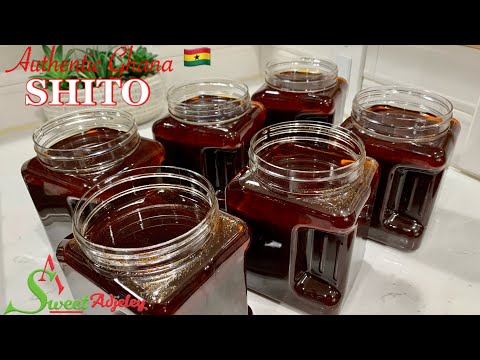
Ghanaian Shito Pepper Sauce is a vibrant and spicy condiment that embodies the bold flavors and culinary traditions of West Africa. This sauce, with its deep, smoky undertones and fiery kick, is a staple in many Ghanaian households, often served alongside rice, grilled meats, or fried plantains. It perfectly balances heat with a savory richness, making it a versatile addition to any meal.
Origin and Cultural Significance
Shito, which translates to “pepper” in the local dialect, is deeply rooted in Ghanaian cuisine and represents more than just a condiment; it is a symbol of hospitality and shared meals. Traditionally, it is made in large batches, as it is often a centerpiece at family gatherings and celebrations. Its origins can be traced back to the coastal regions of Ghana, where the abundant use of seafood influenced its evolution. The sauce reflects the communal nature of Ghanaian dining, where dishes are placed in the center of the table for everyone to enjoy, emphasizing the importance of togetherness.
Unique Ingredients and Flavors
What sets Shito apart from other pepper sauces is not just its heat but its complex flavor profile. The key ingredients—dried fish or shrimp, roasted peppers, and a blend of spices—come together to create a rich umami experience. The dried fish, often smoked, adds a depth that elevates the sauce, while the roasted peppers contribute a sweet smokiness. This combination results in a sauce that dances on the palate, offering a perfect marriage of spice and savor.
Cooking Techniques
Creating the perfect Shito requires skill and patience, especially when it comes to roasting the peppers and balancing the spices. The technique of slow cooking allows the flavors to meld beautifully, giving the sauce its signature complexity. As a professional chef, one of my cherished secrets is to allow the sauce to rest for a day before serving; this resting period allows the flavors to deepen, resulting in an even more exquisite taste that is sure to impress.
This sauce is not merely a recipe; it is a culinary journey through Ghana’s rich culture and flavors, inviting you to explore the warmth and vibrancy of West African cuisine.
Recipe Education
Learn the Skills Behind This Recipe
Build confidence with cooking skills, techniques, and tools used in this recipe.
How to Fry Properly
Understand pan heat, oil temperature, and how to get better frying results.
Recommended for the fry method used in this recipe.
Simmer vs Boil
Learn when to simmer, when to boil, and how each affects recipe results.
Recommended for the simmer method used in this recipe.
Cookware Guide
Learn which pots and pans work best for frying, sautéing, simmering, and roasting.
Helpful when using saucepan during preparation.
Teaspoons to Grams
Use small-measure conversions more accurately in cooking and baking.
Helpful when using measuring spoons during preparation.
Cooking Basics
Build safer knife preparation, heat control, timing, and everyday kitchen confidence.
Helpful when using chef knife during preparation.


Ghanaian Shito Pepper Sauce
Description
Shito is a beloved Ghanaian condiment, renowned for its spicy, savory flavor profile. This sauce pairs beautifully with rice, meats, or as a dip, making it a versatile addition to your culinary repertoire.
Ingredients
Ingredients for Ghanaian Shito Pepper Sauce
Instructions
Preparing the Ingredients
Gather Your Ingredients
Collect all the ingredients for the Shito Pepper Sauce: dried fish, shrimp, red pepper, onions, garlic, ginger, and palm oil. Ensure your dried fish and shrimp are cleaned and ready to use.Using high-quality dried fish and shrimp will enhance the umami flavor of your sauce.Chop and Blend
Finely chop the onions, garlic, and ginger. If you prefer a smoother sauce, blend these ingredients into a paste along with the red peppers.Adjust the amount of red pepper based on your spice preference. For a milder sauce, reduce the quantity.
Cooking the Sauce
Heat the Palm Oil
In a pot, heat the palm oil over medium heat until it's hot but not smoking. This will help release the flavors of the sauce.Be cautious—hot palm oil can splatter.Sauté Aromatics
Add the chopped onions, garlic, and ginger mixture to the hot oil. Sauté until the onions become translucent and fragrant.Stir frequently to prevent burning; this step is crucial for building the sauce's flavor.Add Dried Fish and Shrimp
Incorporate the cleaned dried fish and shrimp into the pot. Stir well to combine, allowing the seafood to infuse its flavor into the mixture.If using larger pieces of dried fish, you may want to break them into smaller bits for better distribution.Incorporate the Pepper Mixture
Once the fish and shrimp have cooked slightly, add the blended pepper mixture. Stir thoroughly and reduce the heat to low.Simmering allows the flavors to meld beautifully, so let it cook for at least 15-20 minutes.
Finishing Touches
Season the Sauce
Taste the sauce and adjust seasoning as needed with salt or additional spices. Allow it to simmer for another 5-10 minutes.A pinch of sugar can also balance the heat if desired.Cool and Store
Remove the sauce from heat and let it cool. Store in an airtight container in the refrigerator for up to a week or freeze for longer storage.This sauce can improve in flavor as it sits, making it even better the next day!
Equipment

Nutrition Facts
Servings 4
- Amount Per Serving
- Calories 533.24kcal
- % Daily Value *
- Total Fat 46.99g73%
- Saturated Fat 7.28g37%
- Cholesterol 14.56mg5%
- Sodium 1957.76mg82%
- Potassium 514.15mg15%
- Total Carbohydrate 22.38g8%
- Dietary Fiber 2.49g10%
- Sugars 7.12g
- Protein 8.96g18%
- Vitamin A 433.87 IU
- Vitamin C 21.47 mg
- Calcium 75.09 mg
- Iron 1.1 mg
- Vitamin D 0.77 mcg
- Vitamin E 4.24 mg
- Vitamin K 89.85 mcg
- Thiamin 0.11 mg
- Riboflavin 0.08 mg
- Niacin 2.02 mg
- Vitamin B6 0.55 mg
- Folate 33.2 mcg
- Vitamin B12 0.5 mcg
- Pantothenic Acid 0.45 mg
- Phosphorus 120.76 mg
- Magnesium 56.51 mg
- Zinc 0.68 mg
- Selenium 16.07 mcg
- Copper 0.22 mg
- Manganese 0.64 mg
* Nutrition information is provided as an estimate per serving and may vary depending on the ingredients, brands, substitutions, portion sizes and preparation methods used. Percent Daily Values (%DV) are based on U.S. FDA reference values for a 2,000-calorie diet and are intended as a general guide only. Individual nutritional needs vary. This information is not a substitute for advice from a registered dietitian or other qualified healthcare professional.
Note
- Use a combination of fresh and dried peppers for depth; Scotch bonnet peppers add heat, while dried chili peppers bring complexity.
- Toast the dried shrimp or fish before blending to enhance their umami flavor.
- Balance the heat of the peppers with sweet ingredients like roasted tomatoes or onions to achieve a harmonious flavor.
- Incorporate a splash of vinegar or lime juice to add acidity and brightness, cutting through the richness of any oils used.
- Consider using palm oil for a traditional taste, but olive oil or vegetable oil can also work well for a lighter version.
- Be mindful of the consistency; adjust with water or additional oil as needed to suit your preference.
- Allow the sauce to simmer for at least 30 minutes to meld the flavors fully.
- Store in an airtight container in the refrigerator for up to two weeks; it often tastes even better after a day or two as the flavors continue to develop.
- Serve as a condiment with fried plantains, grilled meats, or as a spicy addition to stews and rice dishes.
- Experiment with adding spices like ginger or garlic to customize the flavor profile to your liking.


User Reviews
Tastes close to what my aunt makes back home. I would increase the smoked shrimp slightly, but overall very authentic flavour.