
Recipe Snapshot
Recipe at a Glance
Key timing, yield and style details before you start cooking.
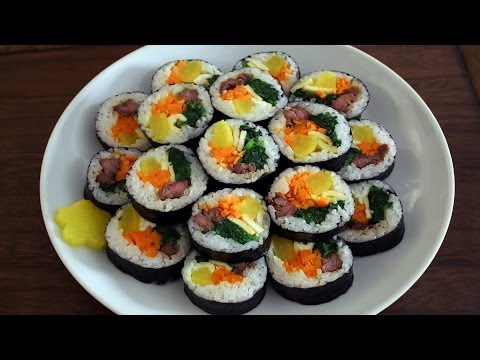
Gimbap is a traditional Korean dish that beautifully marries seasoned rice with vibrant vegetables, proteins, and a hint of sesame oil, all wrapped snugly in a sheet of nori. It’s not just food; it’s a canvas for creativity and a celebration of flavors that transport you straight to the heart of Korean cuisine. Each slice reveals a symphony of colors and textures, inviting you to indulge in a bite that is both visually stunning and utterly satisfying.
The Origin of Gimbap
Gimbap has its roots deeply embedded in Korean culture, often associated with family gatherings, picnics, and outdoor adventures. Its origins can be traced back to the early 20th century, during a time when Korean cuisine began to embrace influences from Japanese maki sushi. However, unlike sushi, which often uses raw fish, gimbap showcases the rich and diverse landscape of Korean ingredients. This dish was born out of necessity and resourcefulness, as families sought to create a portable meal that could easily be shared and enjoyed on the go.
Cultural Significance
In Korea, gimbap is more than just a meal; it is a symbol of love and care, often prepared for loved ones on special occasions or outings. Whether it’s a school lunch, a picnic by the Han River, or a simple family dinner, gimbap carries with it the warmth of home and the joy of togetherness. It’s a dish that transcends mere sustenance, holding memories of laughter and shared stories, making it a cherished staple in Korean households.
Unique Ingredients and Flavors
What truly sets gimbap apart is its versatility in ingredients. The foundation of steamed short-grain rice, seasoned with a touch of salt and sesame oil, is complemented by an array of fillings—think julienned carrots, crisp cucumber, pickled radish, sautéed spinach, and sometimes even beef or egg. Each component is carefully prepared and layered, creating a harmonious balance of flavors. The nori wrap adds a subtle umami note, enhancing the overall experience.
Cooking Techniques
The technique of rolling gimbap is an art in itself. It requires a delicate hand to ensure that each roll is tight yet not too compact, allowing the ingredients to shine through with every slice. The use of a bamboo mat aids in achieving that perfect roll, but practice makes perfect. In my experience, the joy comes not only from crafting the dish but also from the camaraderie built around the kitchen counter as friends and family join in the fun of rolling their own gimbap.
Gimbap is where tradition meets innovation, inviting both the novice and the experienced home cook to explore its limitless possibilities. Whether you stick to classic fillings or venture into new territories with unique ingredients, this dish promises to bring a slice of Korean culture right to your table.
Recipe Education
Learn the Skills Behind This Recipe
Build confidence with cooking skills, techniques, and tools used in this recipe.
How to Boil Properly
Learn boiling times, temperature control, and how to avoid overcooking.
Recommended for the boil method used in this recipe.
Cooking Basics
Build safer knife preparation, heat control, timing, and everyday kitchen confidence.
Helpful when using chef knife during preparation.
Baking Tools Guide
Understand essential tools for mixing, measuring, and preparing recipes.
Helpful when using mixing bowl during preparation.


Gimbap
Description
Gimbap offers a playful twist on sushi, combining seasoned rice, colorful veggies, and protein, all wrapped in seaweed for a satisfying and portable dish.
Korean Seaweed Rice Rolls
Ingredients
Gimbap Ingredients
Instructions
Preparing the Ingredients
Cook the Rice
Rinse 2 cups of short-grain rice under cold water until the water runs clear. Soak the rice in water for about 30 minutes. Drain and transfer to a rice cooker with 2 1/2 cups of water. Cook according to the rice cooker instructions, then let it sit covered for 10 minutes.For added flavor, you can mix in a tablespoon of sesame oil and a pinch of salt to the rice after cooking.Prepare the Fillings
While the rice is cooking, prepare your fillings. Julienne vegetables like carrots, cucumber, and pickled radish. You can also cook protein options like beef, eggs, or tofu, seasoning them simply with salt and pepper. Sauté the vegetables or protein in a bit of sesame oil for added flavor.Feel free to get creative with your fillings—avocado, spinach, or even crab meat can add delightful variations.
Assembling the Gimbap
Prepare the Seaweed Sheets
Lay a sheet of roasted seaweed (nori) shiny side down on a bamboo sushi mat. Make sure the mat is clean and dry.If you don't have a bamboo mat, you can use a clean kitchen towel to help roll the gimbap.Spread the Rice
With wet hands, take a handful of the cooked rice and spread it evenly over the seaweed, leaving about 1 inch at the top edge. Press down gently to ensure it sticks but don’t mash it too tightly.The key is to have an even layer of rice so each bite is balanced. Keep a bowl of water nearby to wet your hands as needed.Layer the Fillings
Arrange your prepared fillings in a line along the bottom third of the rice-covered nori. Be sure not to overstuff, as this will make rolling difficult.Experiment with different combinations of fillings to find your favorite flavor profile!
Rolling and Slicing
Roll the Gimbap
Using the bamboo mat, gently lift the edge closest to you and start rolling it away from you, tucking in the fillings as you go. Apply gentle pressure to ensure a tight roll without squishing the ingredients.If you find it difficult to roll, practice makes perfect! You can also use a little water on the edge to help seal it.Slice the Gimbap
Once rolled, use a sharp knife to slice the gimbap into bite-sized pieces, about 1 inch thick. Wipe the knife with a damp cloth between cuts to keep the edges clean.Try to slice quickly and decisively for clean cuts, showcasing the beautiful layers of the fillings.
Serving Suggestions
Plate and Enjoy
Arrange the gimbap slices on a serving platter. You can serve it with soy sauce, pickled ginger, or a sprinkle of sesame seeds for extra flavor.Gimbap is perfect for picnics or as a light meal; it’s best enjoyed fresh but can also be refrigerated for a day.

Nutrition Facts
Servings 4
- Amount Per Serving
- Calories 664.91kcal
- % Daily Value *
- Total Fat 26.58g41%
- Saturated Fat 7.23g37%
- Cholesterol 221.5mg74%
- Sodium 714mg30%
- Potassium 668.37mg20%
- Total Carbohydrate 81.64g28%
- Dietary Fiber 5.09g21%
- Sugars 2.37g
- Protein 23.83g48%
- Vitamin A 5537.19 IU
- Vitamin C 4.57 mg
- Calcium 128.53 mg
- Iron 4.48 mg
- Vitamin D 1.05 mcg
- Vitamin E 1.08 mg
- Vitamin K 9.76 mcg
- Thiamin 0.52 mg
- Riboflavin 0.4 mg
- Niacin 7 mg
- Vitamin B6 0.86 mg
- Folate 67.76 mcg
- Vitamin B12 1.51 mcg
- Pantothenic Acid 2.73 mg
- Phosphorus 490.1 mg
- Magnesium 181.4 mg
- Zinc 5.26 mg
- Selenium 24.33 mcg
- Copper 0.56 mg
- Manganese 3.97 mg
* Nutrition information is provided as an estimate per serving and may vary depending on the ingredients, brands, substitutions, portion sizes and preparation methods used. Percent Daily Values (%DV) are based on U.S. FDA reference values for a 2,000-calorie diet and are intended as a general guide only. Individual nutritional needs vary. This information is not a substitute for advice from a registered dietitian or other qualified healthcare professional.
Note
- Use short-grain rice for optimal stickiness; rinse thoroughly before cooking.
- Season the cooked rice with a mixture of sesame oil, salt, and a touch of rice vinegar for added depth of flavor.
- Prepare fillings such as pickled radish, cucumber, carrots, and spinach; sauté or blanch vegetables lightly to preserve color and crunch.
- Ensure all fillings are cooled before assembling to prevent the seaweed from becoming soggy.
- Lay the nori on a bamboo mat, shiny side down, and spread rice evenly, leaving a 1-inch border at the top.
- Layer the fillings across the center of the rice; avoid overstuffing to ensure easy rolling.
- Roll tightly but not too forcefully to maintain the structure without squeezing out the fillings.
- Utilize a sharp, damp knife for clean cuts; wipe the knife between slices to maintain presentation.
- Serve with soy sauce or gochujang for dipping, and garnish with sesame seeds for added texture.
- Experiment with protein additions like bulgogi or tofu for different flavor profiles.


User Reviews
they were a bit chaotic to roll but honestly still amazing