
Recipe Snapshot
Recipe at a Glance
Key timing, yield and style details before you start cooking.
Starch and Fat Interaction in Gyeran Bap
The structural balance of gyeran bap depends on the interaction between short-grain rice starch and egg fat. Properly cooked rice retains surface moisture that allows yolk fat to emulsify with soy sauce and sesame oil, forming a cohesive coating rather than a separated slick. The rice must be hot enough to lightly set the egg proteins without scrambling them fully, ensuring a creamy binding layer. Salt and soy sauce introduce ionic strength that tightens the outer starch gel, preventing sogginess. The sesame oil’s low smoke point requires late addition to maintain aroma integrity and prevent oxidation.
Heat Control and Timing Precision
Egg texture in this dish is determined by controlled heat staging. The frying pan must reach medium heat before butter or oil addition to achieve even protein coagulation without browning. Overheating causes rapid denaturation, producing a rubbery curd instead of a soft set. The rice should be preheated separately to maintain serving temperature, as residual heat from the grains completes egg carryover cooking. Timing is critical: the egg should be transferred immediately to the rice bowl to capture its semi-fluid state, allowing the yolk to integrate smoothly with the starch matrix.
Transformation Through Mixing and Emulsification
Once the egg meets the rice, mechanical mixing initiates a micro-emulsion between yolk fat, sesame oil, and soy sauce. This process distributes umami compounds evenly while coating each grain with a thin lipid film that enhances mouthfeel. The transformation is not through extended cooking but through controlled agitation and residual heat. The rice’s surface starch acts as a stabiliser, preventing oil separation. The result is a glossy, cohesive texture with balanced salinity and depth derived from Maillard notes in the fried egg edges.
Workflow Efficiency and Mise en Place Logic
Efficiency in gyeran bap preparation relies on sequencing. Rice must be ready before egg frying to prevent cooling delays. All condiments—soy sauce, sesame oil, and optional garnishes—should be pre-measured to allow immediate assembly. The frying pan should be cleaned and reheated between batches to avoid burnt residues that impart bitterness. For multiple servings, eggs can be cooked sequentially while rice is kept warm in a covered saucepan. This workflow minimises downtime and preserves the dish’s temperature gradient, which is essential for emulsification and aroma release.
Cultural and Regional Context
Gyeran bap originates from Korean home-cooking traditions where rice and eggs were combined for economical, protein-balanced meals. The technique reflects post-war resource efficiency, using pantry staples to create comfort food with minimal equipment. Its simplicity aligns with Korean breakfast culture, where quick assembly and warmth are prioritised. Modern adaptations may include seaweed flakes or scallions, but the core principle—hot rice meeting freshly fried egg—remains unchanged. The dish exemplifies the Korean approach to layering flavour through temperature, texture, and umami concentration rather than complex seasoning.
Recipe Education
Learn the Skills Behind This Recipe
Build confidence with cooking skills, techniques, and tools used in this recipe.
Cookware Guide
Learn which pots and pans work best for frying, sautéing, simmering, and roasting.
Helpful when using frying pan during preparation.
How to Fry Properly
Understand pan heat, oil temperature, and how to get better frying results.
Recommended for the fry method used in this recipe.
Cooking Basics
Build safer knife preparation, heat control, timing, and everyday kitchen confidence.
Helpful when using chef knife during preparation.
Teaspoons to Grams
Use small-measure conversions more accurately in cooking and baking.
Helpful when using measuring spoons during preparation.
Baking Tools Guide
Understand essential tools for mixing, measuring, and preparing recipes.
Helpful when using mixing bowl during preparation.


Gyeran Bap (Egg Rice Bowl)
Description
The structural balance of gyeran bap depends on the interaction between short-grain rice starch and egg fat. Properly cooked rice retains surface moisture that allows yolk fat to emulsify with soy sauce and sesame oil, forming a cohesive coating rather than a separated slick. The rice must be hot enough to lightly set the egg proteins without scrambling them fully, ensuring a creamy binding layer. Salt and soy sauce introduce ionic strength that tightens the outer starch gel, preventing sogginess. The sesame oil’s low smoke point requires late addition to maintain aroma integrity and prevent oxidation.
Ingredients
Ingredients
Instructions
Instructions
Step 1
Prepare all ingredients. Keep cooked short-grain rice hot in a covered Saucepan. Crack eggs into a small Mixing Bowl and season lightly with salt and black pepper.Ensure rice is freshly cooked or reheated to above 70°C to maintain sufficient residual heat for egg integration.Step 2
Heat a Frying Pan over medium heat. Add unsalted butter and allow it to melt evenly without browning. Swirl to coat the surface.Monitor butter foaming; once bubbles subside, the pan is at optimal temperature for egg addition without scorching.Step 3
Pour eggs into the pan and cook until whites are just set and yolks remain runny, about 1.5–2 minutes. Avoid flipping.Tilt the pan slightly to pool hot butter over the whites for even coagulation while preserving yolk fluidity.Step 4
Transfer hot rice into a serving bowl. Immediately place the fried eggs on top. Drizzle soy sauce and sesame oil evenly over the surface.Add soy sauce before sesame oil to allow the salt phase to contact rice first, improving flavour absorption.Step 5
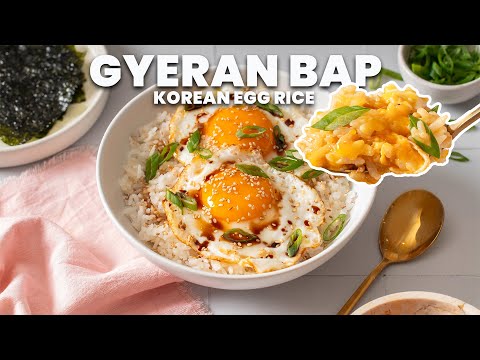
Sprinkle toasted sesame seeds and sliced scallions over the top. Mix gently before eating to combine yolk, oil, and rice into a cohesive emulsion.Use a Silicone Spatula or spoon to fold rather than stir vigorously, maintaining grain integrity while achieving uniform coating.
Recommended Equipment

Nutrition Facts
Servings 1
Serving Size 1 portion
- Amount Per Serving
- Calories 980.5kcal
- % Daily Value *
- Total Fat 27.46g43%
- Saturated Fat 9.76g49%
- Cholesterol 348.86mg117%
- Sodium 721.15mg31%
- Potassium 696.85mg20%
- Total Carbohydrate 154.21g52%
- Dietary Fiber 7.19g29%
- Sugars 0.55g
- Protein 27.61g56%
- Vitamin A 745.77 IU
- Calcium 141.05 mg
- Iron 5.71 mg
- Vitamin D 1.91 mcg
- Vitamin E 1.24 mg
- Vitamin K 5.89 mcg
- Thiamin 0.88 mg
- Riboflavin 0.51 mg
- Niacin 9.18 mg
- Vitamin B6 1.2 mg
- Folate 86.66 mcg
- Vitamin B12 0.8 mcg
- Pantothenic Acid 4.38 mg
- Phosphorus 730.87 mg
- Magnesium 308.27 mg
- Zinc 5.39 mg
- Selenium 27.9 mcg
- Copper 0.72 mg
- Manganese 7.63 mg
* Nutrition information is provided as an estimate per serving and may vary depending on the ingredients, brands, substitutions, portion sizes and preparation methods used. Percent Daily Values (%DV) are based on U.S. FDA reference values for a 2,000-calorie diet and are intended as a general guide only. Individual nutritional needs vary. This information is not a substitute for advice from a registered dietitian or other qualified healthcare professional.
Note
For best structural retention, cool uncovered briefly before storage to prevent trapped steam from softening exterior crust or caramelised surfaces. Adequate chilling or marination enhances aromatic absorption and improves cohesion between fat, acid, and seasoning components. Grains and starches continue absorbing moisture after cooking. Adjust liquid slightly when reheating to restore optimal consistency. When reheating crisp components, use dry heat rather than microwave methods to maintain exterior texture. Acid balance may soften slightly over time; a final adjustment before serving restores clarity.


