
Recipe Snapshot
Recipe at a Glance
Key timing, yield and style details before you start cooking.
Ingredient Interaction and Structural Balance
The structural integrity of Gyeran Toast depends on the controlled hydration of the egg mixture and the moisture release from shredded cabbage. The eggs act as both binder and fat medium, emulsifying with milk to create a soft custard-like layer that adheres to the bread. The cabbage introduces water content that must be balanced through fine shredding and brief sautéing to prevent sogginess. Sugar and salt regulate osmotic pressure, drawing minimal moisture while enhancing flavour contrast. Butter provides a lipid barrier that prevents the bread from absorbing excess liquid, maintaining crispness. The layering sequence—egg mixture first, then bread contact—ensures even protein coagulation and stable texture.
Heat Management and Technique Control
Temperature staging is critical for this dish. The pan must reach medium heat before eggs are poured to initiate controlled coagulation without browning too rapidly. Once the egg base begins to set, the bread slices are pressed into the mixture to absorb partially cooked egg, ensuring adhesion. Carryover heat completes the set without overcooking the yolk proteins. Excessive heat leads to rubbery texture and uneven browning, while insufficient heat prevents structural cohesion. Butter must be melted evenly before egg addition to avoid localized scorching. The cabbage should be lightly wilted, not steamed, to maintain texture and prevent water release during final assembly.
Transformation and Texture Development
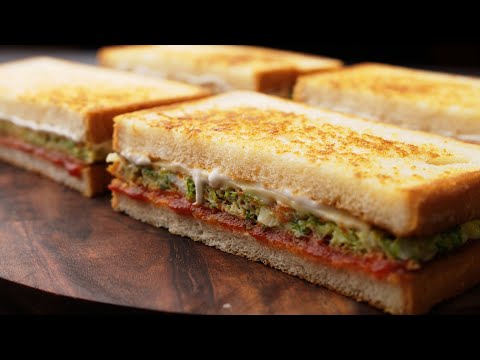
During cooking, the egg proteins denature and form a cohesive matrix that traps shredded cabbage and seasonings. The bread undergoes Maillard browning, developing a crisp exterior that contrasts with the soft, savoury interior. The sugar caramelizes slightly, contributing to the characteristic sweet-salty balance of Korean street toast. The final texture should show a defined crust with a tender, moist core. The layering of egg, cabbage, and bread creates a stratified bite structure—crisp, soft, and slightly chewy. Proper timing ensures the cabbage retains slight crunch while the egg remains supple rather than dry or crumbly.
Workflow Efficiency and Assembly Logic
Efficient mise en place reduces timing errors. Cabbage should be pre-shredded and lightly seasoned before cooking. Eggs must be beaten and seasoned in advance to allow uniform distribution of salt and sugar. Bread toasting and egg cooking can occur sequentially in the same pan to minimize cleanup and maintain heat consistency. The sandwich assembly—egg-cabbage layer between toasted bread slices—should occur immediately after cooking to preserve temperature and texture. Delayed assembly results in steam condensation and loss of crispness. Maintaining a clean pan surface between batches prevents residual sugar from burning and affecting subsequent portions.
Cultural and Regional Context
Gyeran Toast originates from Korean street food culture, particularly Seoul’s commuter breakfast stalls. It reflects post-war adaptation of Western-style toast integrated with local flavour balance—sweet, savoury, and texturally layered. The inclusion of cabbage and sugar mirrors Korean palate preferences for contrast and balance. The technique evolved from simple egg sandwiches to structured street toast incorporating vegetables and condiments. Modern variations may include ham or cheese, but the core remains the egg-cabbage matrix cooked directly onto the bread. Its efficiency and portability align with urban Korean food culture emphasizing speed and compact nutrition.
Recipe Education
Learn the Skills Behind This Recipe
Build confidence with cooking skills, techniques, and tools used in this recipe.
How to Fry Properly
Understand pan heat, oil temperature, and how to get better frying results.
Recommended for the fry method used in this recipe.
How to Sauté Properly
Master fast cooking, pan heat, and ingredient timing for better texture.
Recommended for the saute method used in this recipe.
Cups to Grams
Convert cup measurements more accurately to improve recipe consistency.
Helpful when using measuring cups during preparation.
Teaspoons to Grams
Use small-measure conversions more accurately in cooking and baking.
Helpful when using measuring spoons during preparation.
Baking Tools Guide
Understand essential tools for mixing, measuring, and preparing recipes.
Helpful when using mixing bowl during preparation.
Cooking Basics
Build safer knife preparation, heat control, timing, and everyday kitchen confidence.
Helpful when using chef knife during preparation.


Gyeran Toast with Cabbage
Description
The structural integrity of Gyeran Toast depends on the controlled hydration of the egg mixture and the moisture release from shredded cabbage. The eggs act as both binder and fat medium, emulsifying with milk to create a soft custard-like layer that adheres to the bread. The cabbage introduces water content that must be balanced through fine shredding and brief sautéing to prevent sogginess. Sugar and salt regulate osmotic pressure, drawing minimal moisture while enhancing flavour contrast. Butter provides a lipid barrier that prevents the bread from absorbing excess liquid, maintaining crispness. The layering sequence—egg mixture first, then bread contact—ensures even protein coagulation and stable texture.
Ingredients
Ingredients
Instructions
Instructions
Step 1
In a Mixing Bowl, beat the eggs with milk, sugar, and salt until fully combined and slightly aerated.Whisk until the mixture is uniform but not frothy; excess air creates uneven texture during cooking.Step 2
Add shredded cabbage and julienned carrot into the egg mixture, folding gently to coat evenly.Ensure vegetables are finely cut; large pieces prevent even setting and cause tearing during flipping.Step 3
Heat a Non-stick Skillet over medium heat and melt butter until it foams but does not brown.Monitor butter colour closely; once nutty aroma appears, immediately add the egg mixture to prevent scorching.Step 4
Pour the egg mixture into the skillet, spreading it evenly. When the bottom begins to set, place both bread slices directly on top, pressing lightly.Pressing ensures the bread absorbs semi-set egg, forming a cohesive layer that binds after flipping.Step 5
After 2–3 minutes, flip the entire portion carefully using a Turner Spatula. Toast the bread side until golden and crisp, about 2 minutes more.Use controlled wrist motion to flip; excessive force breaks the egg matrix and releases moisture.Step 6
Remove from heat, spread mayonnaise and ketchup on one bread slice, then fold or sandwich the two slices together with the egg-cabbage layer inside.Apply condiments while hot; residual heat enhances flavour integration and softens the inner crumb.
Recommended Equipment

Nutrition Facts
Servings 1
Serving Size 1 portion
- Amount Per Serving
- Calories 508.34kcal
- % Daily Value *
- Total Fat 30.35g47%
- Saturated Fat 10.61g54%
- Cholesterol 401.15mg134%
- Sodium 685.81mg29%
- Potassium 406.74mg12%
- Total Carbohydrate 40.2g14%
- Dietary Fiber 2.98g12%
- Sugars 14.87g
- Protein 19.07g39%
- Vitamin A 2641.04 IU
- Vitamin C 23.25 mg
- Calcium 213.96 mg
- Iron 3.84 mg
- Vitamin D 2.35 mcg
- Vitamin E 2.25 mg
- Vitamin K 71.06 mcg
- Thiamin 0.35 mg
- Riboflavin 0.66 mg
- Niacin 2.96 mg
- Vitamin B6 0.34 mg
- Folate 132.72 mcg
- Vitamin B12 1.01 mcg
- Pantothenic Acid 2.06 mg
- Phosphorus 298.94 mg
- Magnesium 38.31 mg
- Zinc 1.98 mg
- Selenium 43.35 mcg
- Copper 0.17 mg
- Manganese 0.45 mg
* Nutrition information is provided as an estimate per serving and may vary depending on the ingredients, brands, substitutions, portion sizes and preparation methods used. Percent Daily Values (%DV) are based on U.S. FDA reference values for a 2,000-calorie diet and are intended as a general guide only. Individual nutritional needs vary. This information is not a substitute for advice from a registered dietitian or other qualified healthcare professional.
Note
Store in an airtight container under refrigeration, ensuring minimal air exposure to preserve flavour integrity and textural balance. The resting phase supports structural stabilisation and moisture redistribution. Cutting or serving too early may compromise internal balance. Dairy-based elements may thicken further upon cooling. Reheat gently to prevent separation or grainy texture. Monitor seasoning levels after storage, as salt perception can shift once chilled.


