
Recipe Snapshot
Recipe at a Glance
Key timing, yield and style details before you start cooking.
Fermented Acidity and Fat Balance
Kimchi introduces lactic acidity and moisture that must be balanced against the fat load of cheese and butter. The salt and acid from fermented cabbage cut through dairy richness, preventing palate fatigue. Moisture control is critical: excess kimchi juice can destabilize the sandwich structure, softening the bread before proper crust formation. Draining and lightly squeezing the kimchi ensures controlled hydration, allowing the fat from butter and melted cheese to emulsify with residual brine. The result is a balanced matrix of crisp exterior, molten interior, and controlled tang. Cheese selection should prioritize meltability and moderate salt to avoid oversaturation when combined with kimchi’s inherent salinity.
Heat Management and Browning Control
The sandwich relies on precise surface temperature to achieve even Maillard browning without premature cheese liquefaction. Medium heat in a Non-stick Skillet or Cast-Iron Skillet allows the butter to foam and clarify slightly before contact, ensuring uniform crust adhesion. Excessive heat scorches the bread before internal melt occurs, while low heat yields a greasy, underdeveloped crust. Controlled flipping and brief resting between sides stabilize internal steam pressure, preventing cheese leakage. The goal is a golden, crisp exterior with a cohesive interior melt. Heat staging—starting moderate, finishing slightly lower—optimizes both texture and flavor concentration.
Textural Transformation During Cooking
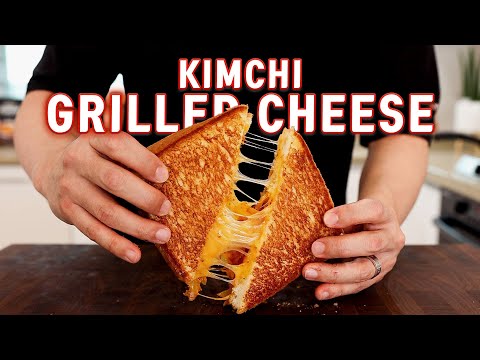
As the sandwich cooks, starches in the bread undergo dextrinization, forming a brittle crust that contrasts the molten cheese. The kimchi’s cell walls soften, releasing aromatic compounds that integrate into the fat phase of the cheese. This transformation enhances umami depth and aromatic complexity. The cheese matrix transitions from solid to semi-fluid, binding the kimchi and bread layers. Proper compression during cooking ensures even contact and heat transfer, yielding a uniform melt without voids. The final texture should present crisp resistance followed by a cohesive, creamy interior with balanced acidity.
Workflow Efficiency and Assembly Logic
Efficient mise en place minimizes moisture loss and temperature drop. Pre-buttering the bread and preheating the skillet before assembly prevents delays that compromise crust formation. Kimchi should be chopped and drained in advance to avoid excess liquid during pressing. Cheese should be pre-sliced or grated for even melt distribution. The sandwich must be assembled immediately before cooking to prevent sogginess. Parallel preparation—heating the skillet while assembling—reduces idle time and maintains butter integrity. Controlled pressing with a Spatula or Turner Spatula ensures even browning and consistent layer adhesion.
Cultural Integration and Modern Adaptation
This dish merges Korean fermentation tradition with Western comfort structure. Kimchi’s role as a preserved vegetable aligns with the grilled cheese’s dairy preservation roots. The combination reflects modern cross-cultural adaptation, where fermentation acidity enhances fat-based dishes. In Korea, kimchi is often paired with rice or noodles; integrating it into bread-based formats demonstrates global reinterpretation of preservation logic. The result maintains technical authenticity—fermented acid balancing fat—while adapting to Western sandwich methodology. The dish exemplifies how controlled fermentation and classic browning techniques coexist in contemporary fusion cuisine.
Recipe Education
Learn the Skills Behind This Recipe
Build confidence with cooking skills, techniques, and tools used in this recipe.
How to Fry Properly
Understand pan heat, oil temperature, and how to get better frying results.
Recommended for the fry method used in this recipe.
How to Sauté Properly
Master fast cooking, pan heat, and ingredient timing for better texture.
Recommended for the saute method used in this recipe.
Baking Tools Guide
Understand essential tools for mixing, measuring, and preparing recipes.
Helpful when using mixing bowl during preparation.
Cooking Basics
Build confidence with core skills and beginner-friendly cooking techniques.
Supports the beginner skill level of this recipe.


Kimchi Grilled Cheese
Description
Kimchi introduces lactic acidity and moisture that must be balanced against the fat load of cheese and butter. The salt and acid from fermented cabbage cut through dairy richness, preventing palate fatigue. Moisture control is critical: excess kimchi juice can destabilize the sandwich structure, softening the bread before proper crust formation. Draining and lightly squeezing the kimchi ensures controlled hydration, allowing the fat from butter and melted cheese to emulsify with residual brine. The result is a balanced matrix of crisp exterior, molten interior, and controlled tang. Cheese selection should prioritize meltability and moderate salt to avoid oversaturation when combined with kimchi’s inherent salinity.
Ingredients
Ingredients
Instructions
Instructions
Step 1
Place kimchi in a Mixing Bowl and squeeze out excess liquid using a Silicone Spatula. Chop finely and mix with gochugaru if using.Removing excess brine prevents soggy bread and ensures crisp crust formation during pan contact.Step 2
Spread softened butter evenly on one side of each slice of sourdough bread using a Pastry Brush. Keep buttered sides facing outward.Uniform butter coverage promotes even Maillard browning and prevents localized scorching.Step 3
Layer cheddar and mozzarella evenly on the unbuttered side of two bread slices. Distribute chopped kimchi over the cheese and top with remaining bread slices, buttered side out.Even layering ensures consistent melt and prevents structural collapse during flipping.Step 4
Heat a Non-stick Skillet over medium heat with neutral oil. Place sandwiches in the pan and cook for 3–4 minutes per side, pressing gently with a Turner Spatula until golden brown and cheese fully melted.Maintain medium heat to synchronize crust browning with internal cheese melt without oil separation.Step 5
Transfer sandwiches to a Cutting Board and rest for 1 minute before slicing. Sprinkle a small pinch of salt on the crust if desired.Brief resting stabilizes internal steam pressure, preventing cheese runoff when sliced.
Recommended Equipment

Nutrition Facts
Servings 2
Serving Size 1 portion
- Amount Per Serving
- Calories 869.45kcal
- % Daily Value *
- Total Fat 49.16g76%
- Saturated Fat 26.31g132%
- Cholesterol 127mg43%
- Sodium 1754.04mg74%
- Potassium 340.21mg10%
- Total Carbohydrate 70.76g24%
- Dietary Fiber 4.12g17%
- Sugars 7.14g
- Protein 37.76g76%
- Vitamin A 1647.65 IU
- Calcium 749.77 mg
- Iron 6.91 mg
- Vitamin D 0.77 mcg
- Vitamin E 2.09 mg
- Vitamin K 33.22 mcg
- Thiamin 0.95 mg
- Riboflavin 1.09 mg
- Niacin 7.02 mg
- Vitamin B6 0.35 mg
- Folate 206.87 mcg
- Vitamin B12 1.39 mcg
- Pantothenic Acid 0.8 mg
- Phosphorus 587.4 mg
- Magnesium 76.4 mg
- Zinc 5 mg
- Selenium 62.74 mcg
- Copper 0.25 mg
- Manganese 0.7 mg
* Nutrition information is provided as an estimate per serving and may vary depending on the ingredients, brands, substitutions, portion sizes and preparation methods used. Percent Daily Values (%DV) are based on U.S. FDA reference values for a 2,000-calorie diet and are intended as a general guide only. Individual nutritional needs vary. This information is not a substitute for advice from a registered dietitian or other qualified healthcare professional.
Note
Store in an airtight container under refrigeration, ensuring minimal air exposure to preserve flavour integrity and textural balance. The resting phase supports structural stabilisation and moisture redistribution. Cutting or serving too early may compromise internal balance. Dairy-based elements may thicken further upon cooling. Reheat gently to prevent separation or grainy texture. Monitor seasoning levels after storage, as salt perception can shift once chilled.


