
Recipe Snapshot
Recipe at a Glance
Key timing, yield and style details before you start cooking.
Fat Integration and Structural Balance
Sobrasada’s soft, spreadable texture results from its high fat-to-protein ratio, which allows it to melt easily under moderate heat. The fat acts as a carrier for paprika’s volatile compounds, intensifying aroma and colour. Honey introduces hygroscopic sugars that balance the cured meat’s salt and spice profile while adding gloss to the surface. The bread base must be sufficiently dry and porous to absorb rendered fat without collapsing. Selecting a firm, lightly toasted baguette slice ensures structural integrity and prevents sogginess during service. The ratio of sobrasada to honey should maintain a 3:1 balance to avoid excessive sweetness and preserve the savoury core of the preparation.
Heat Control and Texture Management
Applying controlled heat is critical to soften sobrasada without breaking its emulsion. Excessive temperature causes fat separation and uneven spreadability. A medium-low setting in a Non-stick Skillet or brief oven exposure allows the fat to liquefy gradually, coating the bread evenly. Carryover heat from the toasted bread continues to melt the sobrasada after removal from direct heat, ensuring a uniform layer. Honey should be added post-heating to prevent caramelisation that would alter its floral notes and viscosity. Timing between toasting, spreading, and finishing must be tight to maintain optimal temperature and mouthfeel.
Transformation Through Controlled Heating
During warming, sobrasada undergoes partial fat liquefaction and mild protein denaturation, releasing aromatic oils and deepening flavour. The bread’s starches gelatinise slightly under toasting, creating a crisp matrix that contrasts the soft spread. Honey’s viscosity decreases with residual heat, allowing it to flow into micro-cracks of the bread surface, forming a thin glaze. This transformation sequence—toast, spread, glaze—creates a layered sensory structure: crisp base, creamy core, and glossy finish. The short heating window is essential; prolonged exposure would cause oil pooling and loss of textural contrast.
Workflow Efficiency and Service Coordination
For consistent output in service, mise en place should include pre-sliced baguette, portioned sobrasada, and honey in squeezy bottles for controlled application. Toasting batches on a Baking Sheet under a broiler or in a Non-stick Skillet allows parallel preparation. The sequence should follow a linear pass: toast → spread → drizzle → plate. Avoid stacking finished montaditos, as trapped steam softens the base. In high-volume service, maintaining sobrasada at room temperature ensures immediate spreadability without reheating, reducing bottlenecks during plating.
Regional Context and Culinary Lineage
This preparation originates from the Balearic Islands, particularly Mallorca, where sobrasada is a protected designation product. The technique reflects Mediterranean preservation logic—curing pork with paprika and salt to stabilise fat content in warm climates. Pairing with honey is a later adaptation that balances the cured intensity with natural sweetness, aligning with regional honey production. The montadito format, a small open sandwich, evolved through Spanish tapas culture, optimising flavour delivery in compact servings. Modern versions maintain traditional ingredients but refine texture control and presentation for contemporary service environments.
Recipe Education
Learn the Skills Behind This Recipe
Build confidence with cooking skills, techniques, and tools used in this recipe.
Cooking Basics
Build safer knife preparation, heat control, timing, and everyday kitchen confidence.
Helpful when using chef knife during preparation.
How to Fry Properly
Understand pan heat, oil temperature, and how to get better frying results.
Recommended for the fry method used in this recipe.
Baking Tools Guide
Understand essential tools for mixing, measuring, and preparing recipes.
Helpful when using sheet pan during preparation.
Oven Temperature Conversions
Understand oven temperatures and how they affect baking and roasting.
Helpful when using sheet pan during preparation.


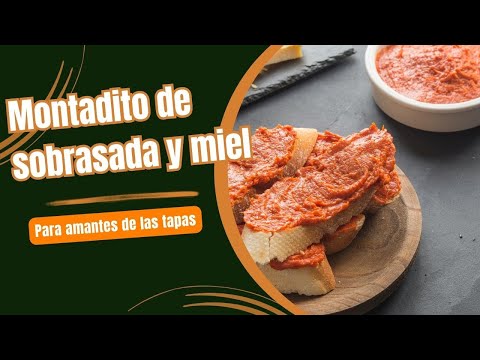
Montadito de Sobrasada y Miel
Description
Sobrasada’s soft, spreadable texture results from its high fat-to-protein ratio, which allows it to melt easily under moderate heat. The fat acts as a carrier for paprika’s volatile compounds, intensifying aroma and colour. Honey introduces hygroscopic sugars that balance the cured meat’s salt and spice profile while adding gloss to the surface. The bread base must be sufficiently dry and porous to absorb rendered fat without collapsing. Selecting a firm, lightly toasted baguette slice ensures structural integrity and prevents sogginess during service. The ratio of sobrasada to honey should maintain a 3:1 balance to avoid excessive sweetness and preserve the savoury core of the preparation.
Ingredients
Ingredients
Instructions
Instructions
Step 1
Preheat a Non-stick Skillet over medium heat or set oven to 200°C. Brush baguette slices lightly with olive oil on both sides.Use minimal oil to avoid greasy texture; the sobrasada fat will contribute additional richness.Step 2
Toast the baguette slices in the Non-stick Skillet or on a Baking Sheet for 2–3 minutes per side until golden and crisp.Rotate slices halfway through to ensure even browning and prevent localized scorching.Step 3
Remove toasted bread and immediately spread sobrasada evenly across each slice while still warm.Apply sobrasada while bread is hot to leverage residual heat for optimal spreadability.Step 4
Drizzle honey thinly over the sobrasada layer, allowing it to flow naturally without pooling.Warm honey slightly in a Measuring Jug for smoother flow and precise control during drizzling.Step 5
Finish with a light sprinkle of fine sea salt to enhance flavour contrast. Serve immediately while warm.Do not delay service; cooling causes fat solidification and loss of aromatic intensity.
Recommended Equipment

Nutrition Facts
Servings 4
Serving Size 1 portion
- Amount Per Serving
- Calories 370.13kcal
- % Daily Value *
- Total Fat 20.35g32%
- Saturated Fat 6.72g34%
- Sodium 493.02mg21%
- Potassium 83.12mg3%
- Total Carbohydrate 36.84g13%
- Dietary Fiber 1.93g8%
- Sugars 9.02g
- Protein 9.64g20%
- Calcium 67.7 mg
- Iron 2.25 mg
- Vitamin E 0.35 mg
- Vitamin K 2.61 mcg
- Thiamin 0.37 mg
- Riboflavin 0.21 mg
- Niacin 2.91 mg
- Vitamin B6 0.07 mg
- Folate 68.62 mcg
- Pantothenic Acid 0.25 mg
- Phosphorus 61.09 mg
- Magnesium 16.79 mg
- Zinc 0.52 mg
- Selenium 11.07 mcg
- Copper 0.08 mg
- Manganese 0.3 mg
* Nutrition information is provided as an estimate per serving and may vary depending on the ingredients, brands, substitutions, portion sizes and preparation methods used. Percent Daily Values (%DV) are based on U.S. FDA reference values for a 2,000-calorie diet and are intended as a general guide only. Individual nutritional needs vary. This information is not a substitute for advice from a registered dietitian or other qualified healthcare professional.
Note
Store in an airtight container under refrigeration, ensuring minimal air exposure to preserve flavour integrity and textural balance. Adequate chilling or marination enhances aromatic absorption and improves cohesion between fat, acid, and seasoning components. Texture refinement often occurs naturally during resting due to internal moisture redistribution.


