
Recipe Snapshot
Recipe at a Glance
Key timing, yield and style details before you start cooking.
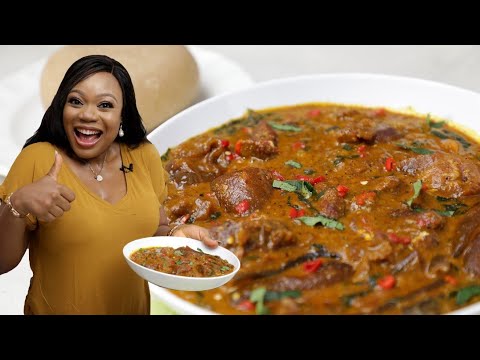
Ogbono Soup, a cherished dish in Nigerian cuisine, is a rich and flavorful soup that showcases the unique qualities of ground African wild mango seeds, known as ogbono. This dish is not just a meal; it’s a celebration of culture, tradition, and the warmth of home. Imagine a bowl brimming with a viscous, velvety texture, enveloping tender pieces of meat and fresh vegetables, creating a symphony of flavors that dance on your palate. It’s comfort food at its finest, inviting family and friends to gather around and share in the joy of good food.
The origins of Ogbono Soup trace back to the southern regions of Nigeria, where the wild mango tree flourishes. This indigenous ingredient has been a staple in the diets of many communities for generations. The use of ogbono seeds dates back centuries, often celebrated for their nutritional benefits and unique thickening properties. In many households, making this soup is a rite of passage, passed down through generations, with each family adding their own twist to the recipe. It embodies the essence of Nigerian hospitality, where sharing a meal symbolizes love and connection.
At the heart of Ogbono Soup lies its unique ingredients, particularly the ground ogbono seeds that lend a nutty flavor and a luxurious texture. The soup is traditionally enriched with assorted meats, such as goat, beef, or even fish, bringing depth to the dish. The addition of leafy greens, like spinach or bitter leaf, not only adds vibrant color but also a hint of earthiness that complements the overall flavor profile. Cooking techniques play a pivotal role; the careful melding of spices and slow cooking allows for the development of rich, layered flavors that are nothing short of extraordinary. This soup is not merely a dish; it’s an experience, a connection to the land and its people, inviting you to savor every spoonful.
Recipe Education
Learn the Skills Behind This Recipe
Build confidence with cooking skills, techniques, and tools used in this recipe.
How to Boil Properly
Learn boiling times, temperature control, and how to avoid overcooking.
Recommended for the boil method used in this recipe.
How to Sauté Properly
Master fast cooking, pan heat, and ingredient timing for better texture.
Recommended for the saute method used in this recipe.
Cookware Guide
Learn which pots and pans work best for frying, sautéing, simmering, and roasting.
Helpful when using saucepan during preparation.
Simmer vs Boil
Learn when to simmer, when to boil, and how each affects recipe results.
Recommended for the simmer method used in this recipe.
Cooking Basics
Build safer knife preparation, heat control, timing, and everyday kitchen confidence.
Helpful when using chef knife during preparation.


Nigerian Ogbono Soup
Description
Ogbono Soup is a traditional Nigerian delicacy known for its unique, thick texture and savory taste, making it a favorite in many households across Nigeria.
Ingredients
Ogbono Soup Ingredients
Instructions
Preparing the Base
Heat the Palm Oil
In a pot, heat about 1 cup of palm oil over medium heat until it shimmers but is not smoking. This should take about 5 minutes.Make sure to monitor the oil closely to avoid burning. The goal is to bring out the rich aroma of the palm oil.Add the Onions and Seasonings
Add one chopped medium onion and sauté until translucent. Then, stir in 2 tablespoons of ground crayfish and 1 tablespoon of ground pepper (or to taste). Cook for another 2-3 minutes to release the flavors.Feel free to adjust the pepper to your heat preference. The crayfish adds depth, so don't skip it!
Incorporating the Ogbono
Mix in the Ogbono Powder
Gradually sprinkle in 1 cup of ogbono powder while stirring continuously to avoid lumps. This will give the soup its characteristic thick consistency.If the mixture becomes too thick, add a bit of warm water to loosen it up, but be careful not to make it too watery.Add Water and Stir Well
Pour in about 4-6 cups of warm water, depending on your desired thickness. Stir well to combine everything into a smooth mixture.Keep stirring to ensure the ogbono is well incorporated and the soup is lump-free.
Cooking the Soup
Simmer the Soup
Bring the soup to a gentle simmer over medium heat. Allow it to cook for about 15-20 minutes, stirring occasionally.Watch for the soup to thicken; you want it rich and viscous, but not overly thick.Add Protein
Add your choice of protein (beef, goat, chicken, or fish) that has been pre-cooked and seasoned. Stir to combine and simmer for an additional 10-15 minutes.If using frozen fish, thaw it first before adding to ensure it cooks evenly.
Final Touches
Incorporate Leafy Greens
In the last 5 minutes of cooking, add a handful of chopped bitter leaf or spinach for freshness and color. Stir gently.Bitter leaf adds authenticity, but if unavailable, spinach is a great substitute.Taste and Adjust Seasoning
Taste the soup and adjust the seasoning with salt or additional pepper if necessary. Allow it to simmer for another minute.A well-seasoned ogbono soup should have a harmonious balance of flavors.
Serving
Serve Hot
Serve the ogbono soup hot with a side of pounded yam, fufu, or rice. Enjoy the rich, velvety texture.For extra flair, garnish with a sprinkle of fresh herbs or a drizzle of palm oil before serving.
Equipment

Nutrition Facts
Servings 4
- Amount Per Serving
- Calories 719.17kcal
- % Daily Value *
- Total Fat 62.59g97%
- Saturated Fat 20.55g103%
- Cholesterol 68.19mg23%
- Sodium 265.23mg12%
- Potassium 292.45mg9%
- Total Carbohydrate 4.24g2%
- Dietary Fiber 4.8g20%
- Sugars 0.83g
- Protein 30.52g62%
- Calcium 20.94 mg
- Iron 1.47 mg
- Vitamin D 1.23 mcg
- Vitamin E 4.38 mg
- Vitamin K 3.72 mcg
- Thiamin 0.04 mg
- Riboflavin 0.12 mg
- Niacin 4.17 mg
- Vitamin B6 0.27 mg
- Folate 13.9 mcg
- Vitamin B12 2.04 mcg
- Pantothenic Acid 0.52 mg
- Phosphorus 171.62 mg
- Magnesium 23.38 mg
- Zinc 2.81 mg
- Selenium 26.32 mcg
- Copper 0.11 mg
- Manganese 0.03 mg
* Nutrition information is provided as an estimate per serving and may vary depending on the ingredients, brands, substitutions, portion sizes and preparation methods used. Percent Daily Values (%DV) are based on U.S. FDA reference values for a 2,000-calorie diet and are intended as a general guide only. Individual nutritional needs vary. This information is not a substitute for advice from a registered dietitian or other qualified healthcare professional.
Note
- Use high-quality ogbono seeds, preferably freshly ground, for the best flavor and thickening properties.
- Toast the ogbono seeds lightly in a dry pan before grinding to enhance their nutty aroma.
- Ensure you have a rich, well-flavored broth, whether from meat, fish, or a combination, as this forms the base of the soup.
- Incorporate a mix of proteins such as beef, tripe, and dried fish for depth of flavor.
- Add palm oil for richness, but balance it with the right amount to avoid overwhelming the dish.
- Include a variety of vegetables like spinach, bitter leaf, or pumpkin leaves for added nutrition and color.
- Season judiciously with salt and spices; consider using locust beans for a traditional umami kick.
- Stir the ogbono into the broth gradually to prevent clumps, whisking continuously for a smooth consistency.
- Allow the soup to simmer for at least 30 minutes to develop the flavors fully.
- Serve hot with pounded yam, fufu, or rice, and garnish with fresh herbs for a vibrant presentation.


