
Recipe Snapshot
Recipe at a Glance
Key timing, yield and style details before you start cooking.
Ingredient Interaction and Structural Balance
The dish relies on the contrast between the starchy density of yam and the high-moisture, protein-rich shrimp. Yam starch gelatinises during boiling, creating a neutral matrix that absorbs the pepper sauce’s oil and capsaicin. The shrimp’s surface proteins denature rapidly under heat, forming a firm yet elastic texture that holds the sauce. Oil acts as a flavour carrier, distributing the aromatics evenly while preventing the pepper base from burning. Salt and acid from lime juice balance the natural sweetness of shrimp and the earthy yam, ensuring the final plate maintains structural clarity rather than heaviness.
Heat Control and Moisture Management
Precise heat staging determines the outcome of both components. Yam requires a steady simmer to achieve uniform gelatinisation without surface disintegration. The shrimp, conversely, demands high heat for quick searing to lock in moisture before the pepper base is added. Overheating causes protein tightening and water loss, leading to rubbery texture. The pepper sauce benefits from controlled reduction—enough evaporation to concentrate flavour but not to the point of oil separation. Timing alignment between yam readiness and shrimp finishing ensures both elements reach service temperature simultaneously without overcooking.
Transformation Through Cooking
During cooking, the yam transitions from dense tuber to soft, absorbent starch through gelatinisation at approximately 85–90°C. The shrimp undergoes rapid denaturation, turning opaque and firm within minutes. The pepper base transforms as water evaporates and oil emulsifies with the pureed peppers, onions, and spices, creating a cohesive sauce. This reduction phase intensifies flavour concentration and colour. The final integration of shrimp into the reduced sauce allows surface coating without overexposure to heat, preserving both the sauce’s viscosity and the shrimp’s tenderness.
Workflow Coordination and Efficiency
Parallel processing improves efficiency: yam can boil unattended while the pepper base is built. Mise en place should prioritise pre-chopped aromatics and cleaned shrimp to minimise downtime. The pepper blend can be prepared in advance using a blender, reducing active service time. Maintaining a clean sauté pan and preheated oil ensures immediate flavour development once aromatics hit the surface. Proper sequencing—aromatics first, then pureed pepper, followed by shrimp—prevents raw spice notes and ensures even sauce consistency. This workflow supports consistent output under service pressure.
Regional Technique Lineage
Pepper shrimp with boiled yam originates from Caribbean and West African coastal cooking traditions, where seafood and root crops form the foundation of daily meals. The pepper base reflects West African ata din din and Caribbean escovitch influences, both using oil and heat to stabilise fresh pepper flavour. Yam, a staple tuber across Nigeria and Ghana, provides a neutral starch that balances the spice intensity. The dish’s modern form integrates regional methods—Nigerian-style boiled yam paired with Caribbean-style pepper shrimp—demonstrating cross-Atlantic culinary continuity rooted in shared ingredient ecology.
Recipe Education
Learn the Skills Behind This Recipe
Build confidence with cooking skills, techniques, and tools used in this recipe.
Cookware Guide
Learn which pots and pans work best for frying, sautéing, simmering, and roasting.
Helpful when using frying pan during preparation.
How to Boil Properly
Learn boiling times, temperature control, and how to avoid overcooking.
Recommended for the boil method used in this recipe.
How to Sauté Properly
Master fast cooking, pan heat, and ingredient timing for better texture.
Recommended for the saute method used in this recipe.
Baking Tools Guide
Understand essential tools for mixing, measuring, and preparing recipes.
Helpful when using mixing bowl during preparation.
Cooking Basics
Build safer knife preparation, heat control, timing, and everyday kitchen confidence.
Helpful when using chef knife during preparation.


Pepper Shrimp with Boiled Yam
Description
The dish relies on the contrast between the starchy density of yam and the high-moisture, protein-rich shrimp. Yam starch gelatinises during boiling, creating a neutral matrix that absorbs the pepper sauce’s oil and capsaicin. The shrimp’s surface proteins denature rapidly under heat, forming a firm yet elastic texture that holds the sauce. Oil acts as a flavour carrier, distributing the aromatics evenly while preventing the pepper base from burning. Salt and acid from lime juice balance the natural sweetness of shrimp and the earthy yam, ensuring the final plate maintains structural clarity rather than heaviness.
Ingredients
Ingredients
Instructions
Instructions
Step 1
Place yam chunks in a Stock Pot, cover with water, and bring to a boil over medium heat. Add a pinch of salt and cook until tender, about 20–25 minutes. Drain and keep warm.Avoid overboiling; excessive agitation breaks yam surfaces and causes waterlogging.Step 2
Blend red bell pepper, scotch bonnet, onion, and garlic in a Blender until smooth. Set aside the pepper puree.Pulse rather than blend continuously to prevent heat buildup that dulls pepper brightness.Step 3
Heat vegetable oil in a Saute Pan over medium-high heat. Add the pepper puree and cook for 8–10 minutes, stirring until the mixture thickens and oil begins to separate.Maintain moderate heat; too high will scorch the puree before moisture evaporates evenly.Step 4
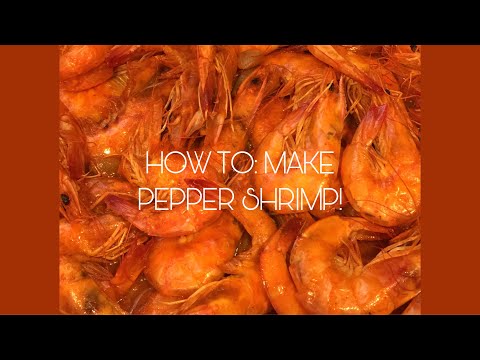
Season shrimp with salt, black pepper, paprika, and lime juice. Add to the reduced pepper base and sauté for 3–4 minutes until shrimp turn pink and firm.Introduce shrimp only when sauce oil resurfaces; this ensures even coating without overcooking.Step 5
Adjust seasoning if needed and remove from heat. Serve the pepper shrimp immediately alongside the boiled yam.Rest shrimp for one minute off heat to allow carryover cooking to complete internal doneness.
Recommended Equipment

Nutrition Facts
Servings 4
Serving Size 1 portion
- Amount Per Serving
- Calories 546.55kcal
- % Daily Value *
- Total Fat 11.71g19%
- Saturated Fat 1.87g10%
- Cholesterol 241.5mg81%
- Sodium 787.07mg33%
- Potassium 2644.75mg76%
- Total Carbohydrate 77.58g26%
- Dietary Fiber 12.35g50%
- Sugars 5.32g
- Protein 35.18g71%
- Vitamin A 2542.67 IU
- Vitamin C 129.72 mg
- Calcium 155.71 mg
- Iron 2.68 mg
- Vitamin E 2.87 mg
- Vitamin K 29.15 mcg
- Thiamin 0.33 mg
- Riboflavin 0.15 mg
- Niacin 2.13 mg
- Vitamin B6 1 mg
- Folate 91.99 mcg
- Pantothenic Acid 1.05 mg
- Phosphorus 489.12 mg
- Magnesium 118.18 mg
- Zinc 2.87 mg
- Selenium 2.24 mcg
- Copper 1.07 mg
- Manganese 1.22 mg
* Nutrition information is provided as an estimate per serving and may vary depending on the ingredients, brands, substitutions, portion sizes and preparation methods used. Percent Daily Values (%DV) are based on U.S. FDA reference values for a 2,000-calorie diet and are intended as a general guide only. Individual nutritional needs vary. This information is not a substitute for advice from a registered dietitian or other qualified healthcare professional.
Note
Store in an airtight container under refrigeration, ensuring minimal air exposure to preserve flavour integrity and textural balance. The resting phase supports structural stabilisation and moisture redistribution. Cutting or serving too early may compromise internal balance. Spice intensity can deepen over time as volatile compounds settle. Taste and adjust seasoning after resting. Monitor seasoning levels after storage, as salt perception can shift once chilled.


