
Recipe Snapshot
Recipe at a Glance
Key timing, yield and style details before you start cooking.
Protein Structure and Tenderisation Control
Octopus muscle fibres contain high collagen density, requiring pre-cooking to convert connective tissue into gelatin before exposure to direct heat. Boiling in lightly salted water at controlled simmer temperature ensures hydration without contraction shock. Acidic elements such as lemon juice or vinegar are introduced post-cook to avoid premature tightening of proteins. Olive oil provides both lubrication and mild flavour absorption, forming a protective lipid layer that prevents surface dehydration during final grilling. Salt application is delayed until after searing to prevent osmotic moisture loss and maintain internal tenderness.
Heat Management and Surface Browning
The plancha or grill pan must reach high, stable surface temperature before contact to achieve Maillard browning without overcooking the interior. Residual moisture on the octopus must be removed thoroughly to prevent steaming. Controlled searing in short intervals allows caramelisation of natural sugars and proteins, producing a crisp exterior. Carryover heat from the dense tentacle mass continues internal warming post-sear, so removal timing must anticipate this. Olive oil’s moderate smoke point requires careful monitoring to avoid acrid notes; replenishment between batches maintains even lubrication.
Transformation Through Cooking Phases
Initial simmering transforms collagen into gelatin, shifting the texture from rubbery to supple. The subsequent high-heat sear develops a contrasting crust, enhancing tactile complexity. Aromatic compounds from olive oil and smoked paprika adhere to the gelatinised surface, amplifying depth. The brief exposure to direct heat also concentrates surface sugars, yielding a subtle sweetness that balances salinity. Proper sequencing—boil, dry, oil, sear—ensures structural integrity and prevents tearing or fragmentation of tentacles during handling.
Workflow Efficiency and Preparation Sequencing
Pre-cooking and chilling the octopus in advance streamlines service execution. Once cooled, tentacles can be portioned and stored under refrigeration, ready for rapid searing to order. This separation of phases prevents bottlenecks during service and allows precise browning control. Mise en place should include pre-measured finishing oil, lemon wedges, and seasoning blends to maintain consistent plating speed. Parallel preparation of garnish or side elements during the simmering phase maximises efficiency without compromising texture control.
Regional Technique Lineage and Adaptation
Pulpo a la Plancha originates from coastal Spanish and Galician cooking traditions, where octopus is abundant and grilling over plancha surfaces is standard. Historically, octopus was tenderised by physical beating or freezing before boiling; modern kitchens rely on controlled simmering for consistency. The olive oil finish reflects Mediterranean fat preference, contrasting with butter-based northern European methods. Contemporary adaptations may use cast-iron skillets to replicate plancha heat distribution, preserving the dish’s regional identity while adapting to equipment availability.
Recipe Education
Learn the Skills Behind This Recipe
Build confidence with cooking skills, techniques, and tools used in this recipe.
How to Boil Properly
Learn boiling times, temperature control, and how to avoid overcooking.
Recommended for the boil method used in this recipe.
How to Fry Properly
Understand pan heat, oil temperature, and how to get better frying results.
Recommended for the fry method used in this recipe.
Cookware Guide
Learn which pots and pans work best for frying, sautéing, simmering, and roasting.
Helpful when using saucepan during preparation.


Pulpo a la Plancha (Grilled Octopus with Olive Oil)
Description
Octopus muscle fibres contain high collagen density, requiring pre-cooking to convert connective tissue into gelatin before exposure to direct heat. Boiling in lightly salted water at controlled simmer temperature ensures hydration without contraction shock. Acidic elements such as lemon juice or vinegar are introduced post-cook to avoid premature tightening of proteins. Olive oil provides both lubrication and mild flavour absorption, forming a protective lipid layer that prevents surface dehydration during final grilling. Salt application is delayed until after searing to prevent osmotic moisture loss and maintain internal tenderness.
Ingredients
Ingredients
Instructions
Instructions
Step 1
Rinse the octopus thoroughly under cold water and remove any residual beak or eyes. Bring 2 l of water with 10 g salt to a gentle simmer in a Stock Pot.Avoid rapid boiling; maintain around 90°C to prevent muscle contraction and tough texture.Step 2
Submerge the octopus, simmer uncovered for 45–50 minutes until tentacles are tender when pierced with a Paring Knife. Remove and cool in its liquid for 10 minutes.Check tenderness at the thickest tentacle base; overcooking leads to mushy texture.Step 3
Transfer octopus to a Cutting Board, drain well, and pat completely dry with paper towels. Slice tentacles into manageable lengths for grilling.Residual moisture will cause steaming instead of searing; ensure full surface dryness.Step 4
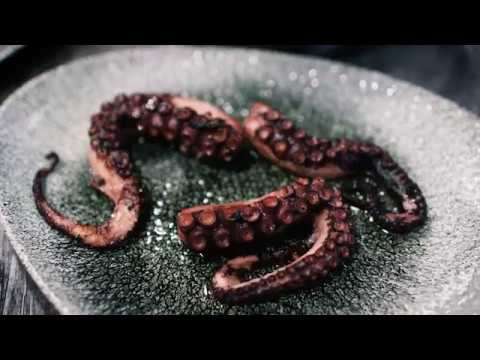
Heat a Grill Pan over high heat until lightly smoking. Brush tentacles with olive oil and sear for 1–2 minutes per side until golden and lightly crisped.Rotate tentacles only once; frequent movement inhibits crust formation and even browning.Step 5
Remove from heat, drizzle with remaining olive oil, sprinkle smoked paprika, sea salt, and black pepper. Finish with lemon juice before serving.Add lemon juice off heat to preserve brightness and prevent oil emulsification breakdown.
Recommended Equipment

Nutrition Facts
Servings 4
Serving Size 1 portion
- Amount Per Serving
- Calories 308.85kcal
- % Daily Value *
- Total Fat 10.03g16%
- Saturated Fat 1.64g9%
- Cholesterol 144mg48%
- Sodium 1878.28mg79%
- Potassium 1066.35mg31%
- Total Carbohydrate 7.12g3%
- Sugars 0.09g
- Protein 44.83g90%
- Vitamin A 697.71 IU
- Vitamin C 15.5 mg
- Calcium 177.12 mg
- Iron 16.07 mg
- Vitamin E 4.74 mg
- Vitamin K 5.23 mcg
- Thiamin 0.09 mg
- Riboflavin 0.13 mg
- Niacin 6.35 mg
- Vitamin B6 1.09 mg
- Folate 48.55 mcg
- Vitamin B12 60 mcg
- Pantothenic Acid 1.52 mg
- Phosphorus 560.07 mg
- Magnesium 96.42 mg
- Zinc 5.12 mg
- Selenium 134.44 mcg
- Copper 1.39 mg
- Manganese 0.12 mg
* Nutrition information is provided as an estimate per serving and may vary depending on the ingredients, brands, substitutions, portion sizes and preparation methods used. Percent Daily Values (%DV) are based on U.S. FDA reference values for a 2,000-calorie diet and are intended as a general guide only. Individual nutritional needs vary. This information is not a substitute for advice from a registered dietitian or other qualified healthcare professional.
Note
Allow the dish to cool gradually before sealing. Rapid temperature shifts can create condensation, weakening texture and diluting surface flavour concentration. The resting phase supports structural stabilisation and moisture redistribution. Cutting or serving too early may compromise internal balance. Spice intensity can deepen over time as volatile compounds settle. Taste and adjust seasoning after resting. Slow-cooked preparations often improve after several hours or overnight refrigeration as aromatic compounds integrate more fully. When reheating crisp components, use dry heat rather than microwave methods to maintain exterior texture. Texture refinement often occurs naturally during resting due to internal moisture redistribution.


