
Recipe Snapshot
Recipe at a Glance
Key timing, yield and style details before you start cooking.
Starch Hydration and Dairy Integration
The structural integrity of Rizogalo depends on the controlled hydration of short-grain rice and its interaction with milk proteins. The rice starch granules absorb liquid gradually, releasing amylopectin that thickens the mixture without external thickeners. Whole milk provides both fat and protein, which temper the starch expansion and prevent grain rupture. Sugar addition is delayed until partial gelatinisation to avoid premature tightening of the milk proteins. Cinnamon’s volatile oils integrate best when introduced near the end of cooking, preserving aromatic clarity without destabilising the emulsion formed between milk fat and starch.
Heat Regulation and Evaporation Control
Temperature staging is critical to achieve a creamy consistency without scorching. The mixture begins at medium heat to initiate starch swelling, then transitions to low heat for controlled evaporation. Constant agitation with a Silicone Spatula prevents milk solids from adhering to the base of the Saucepan. Excessive heat accelerates evaporation, leading to grain separation and uneven texture. Maintaining a gentle simmer ensures uniform gelatinisation and allows the rice to absorb flavour evenly. The final viscosity should coat the back of a spoon, indicating proper reduction without curdling or over-thickening.
Textural Transformation and Final Setting
As the pudding cools, residual starch activity continues, tightening the matrix and stabilising the emulsion. The cooling phase transforms the mixture from fluid to spoonable, with a glossy surface from milk fat dispersion. The rice grains remain distinct yet tender, suspended in a cohesive base. Overcooking leads to excessive starch release and a gluey finish, while undercooking leaves a thin, soupy texture. Proper resting allows the pudding to reach equilibrium between liquid and solid phases, ensuring a consistent mouthfeel across servings.
Workflow Efficiency and Timing Coordination
Efficient mise en place reduces risk of scorching and uneven texture. Pre-measuring milk, sugar, and rice allows uninterrupted stirring during the simmering phase. Using a heavy-bottomed Saucepan distributes heat evenly, minimising hot spots. Preparing the cinnamon garnish separately ensures aromatic control and prevents bitterness from prolonged exposure to heat. The workflow benefits from parallel cooling—portioning into Ramekins while still warm accelerates setting and simplifies service timing in both professional and home environments.
Cultural and Regional Context
Rizogalo originates from Greek culinary tradition, where rice pudding evolved as a utilitarian dessert using pantry staples—rice, milk, and sugar. The technique aligns with Mediterranean dairy-based custards but omits eggs, relying solely on starch thickening. Cinnamon became a defining aromatic through historical spice trade routes linking the Levant and Aegean regions. Modern adaptations maintain the slow simmering method, preserving the dish’s characteristic balance of creaminess and spice while adjusting sweetness levels to contemporary preference.
Recipe Education
Learn the Skills Behind This Recipe
Build confidence with cooking skills, techniques, and tools used in this recipe.
How to Boil Properly
Learn boiling times, temperature control, and how to avoid overcooking.
Recommended for the boil method used in this recipe.
Simmer vs Boil
Learn when to simmer, when to boil, and how each affects recipe results.
Recommended for the simmer method used in this recipe.
Cookware Guide
Learn which pots and pans work best for frying, sautéing, simmering, and roasting.
Helpful when using saucepan during preparation.
Cups to Grams
Convert cup measurements more accurately to improve recipe consistency.
Helpful when using measuring cups during preparation.
Teaspoons to Grams
Use small-measure conversions more accurately in cooking and baking.
Helpful when using measuring spoons during preparation.
Batch Cooking
Cook once and prepare multiple meals more efficiently.
Selected for this type of recipe.


Rice Pudding with Cinnamon (Rizogalo)
Description
The structural integrity of Rizogalo depends on the controlled hydration of short-grain rice and its interaction with milk proteins. The rice starch granules absorb liquid gradually, releasing amylopectin that thickens the mixture without external thickeners. Whole milk provides both fat and protein, which temper the starch expansion and prevent grain rupture. Sugar addition is delayed until partial gelatinisation to avoid premature tightening of the milk proteins. Cinnamon’s volatile oils integrate best when introduced near the end of cooking, preserving aromatic clarity without destabilising the emulsion formed between milk fat and starch.
Ingredients
Ingredients
Instructions
Instructions
Step 1
Rinse the short-grain rice under cold water using a Colander / Strainer until the water runs clear to remove excess surface starch.Rinsing prevents clumping and ensures controlled starch release during simmering.Step 2
In a Saucepan, combine the rinsed rice with water and a pinch of salt. Bring to a gentle boil over medium heat, then reduce to low and simmer until most of the water is absorbed, about 10 minutes.Keep the heat moderate to avoid rapid evaporation that can harden the rice exterior before the core softens.Step 3
Add the whole milk gradually, stirring continuously with a Silicone Spatula to maintain even heat distribution. Continue simmering on low heat for 25–30 minutes until the mixture thickens and the rice is tender.Use a heavy-bottomed Saucepan to prevent milk solids from scorching at the base during prolonged simmering.Step 4
Incorporate the granulated sugar and vanilla extract, stirring until dissolved. Continue cooking for another 5 minutes until the pudding reaches a creamy, pourable consistency.Add sugar only after the rice has softened to prevent premature tightening of milk proteins.Step 5
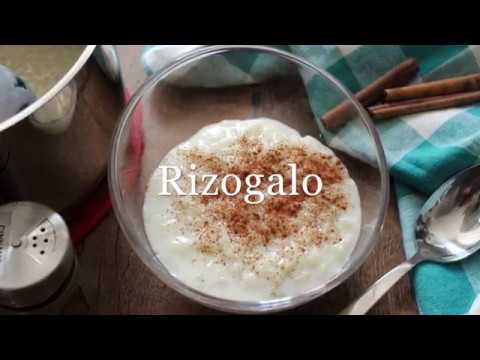
Remove from heat and portion the pudding into Ramekins. Allow to cool at room temperature for 15 minutes, then dust with ground cinnamon before serving or chilling.Cooling uncovered prevents condensation from diluting the surface layer and maintains a clean cinnamon finish.
Recommended Equipment

Nutrition Facts
Servings 4
Serving Size 1 portion
- Amount Per Serving
- Calories 344.93kcal
- % Daily Value *
- Total Fat 9.13g15%
- Saturated Fat 4.96g25%
- Cholesterol 30.94mg11%
- Sodium 112.35mg5%
- Potassium 471.91mg14%
- Total Carbohydrate 55.47g19%
- Dietary Fiber 1.37g6%
- Sugars 32.51g
- Protein 10.73g22%
- Vitamin A 419.61 IU
- Calcium 335.74 mg
- Iron 0.61 mg
- Vitamin D 2.84 mcg
- Thiamin 0.27 mg
- Riboflavin 0.37 mg
- Niacin 1.58 mg
- Vitamin B6 0.31 mg
- Folate 6.04 mcg
- Vitamin B12 1.39 mcg
- Pantothenic Acid 1.41 mg
- Phosphorus 340.09 mg
- Magnesium 74.98 mg
- Zinc 1.68 mg
- Selenium 5.04 mcg
- Copper 0.1 mg
- Manganese 1.25 mg
* Nutrition information is provided as an estimate per serving and may vary depending on the ingredients, brands, substitutions, portion sizes and preparation methods used. Percent Daily Values (%DV) are based on U.S. FDA reference values for a 2,000-calorie diet and are intended as a general guide only. Individual nutritional needs vary. This information is not a substitute for advice from a registered dietitian or other qualified healthcare professional.
Note
Allow the dish to cool gradually before sealing. Rapid temperature shifts can create condensation, weakening texture and diluting surface flavour concentration. The resting phase supports structural stabilisation and moisture redistribution. Cutting or serving too early may compromise internal balance. Dairy-based elements may thicken further upon cooling. Reheat gently to prevent separation or grainy texture. Slow-cooked preparations often improve after several hours or overnight refrigeration as aromatic compounds integrate more fully. Acid balance may soften slightly over time; a final adjustment before serving restores clarity.


