
Recipe Snapshot
Recipe at a Glance
Key timing, yield and style details before you start cooking.
Roasting a pheasant to perfection is an art that beautifully marries the rustic charm of traditional cooking with the sophistication of modern cuisine. Imagine a golden-brown bird, its skin crisped to a delectable crunch, enveloping tender, juicy meat that bursts with rich, gamey flavors. This dish, often accompanied by a creamy, savory bread sauce, creates a symphony of taste and texture that is both comforting and elegant, suitable for a festive gathering or a special Sunday dinner.
The history of roast pheasant can be traced back to the grand feasts of medieval Europe, where game birds were a staple on the tables of nobility. Pheasants, with their delicate flavors and impressive presentation, were often reserved for the most important occasions. Over the years, this dish has evolved, crossing cultural boundaries and adapting to the tastes of each generation while retaining its essence as a symbol of celebration and abundance.
At the heart of this recipe lies the unique combination of flavors that set roast pheasant apart from other poultry. The bird itself is often seasoned with fragrant herbs like thyme and rosemary, enhancing its natural taste. The accompanying bread sauce, a blend of fresh breadcrumbs, milk, and spices, offers a creamy, comforting contrast that elevates the entire dish. The technique of roasting, when executed with precision, ensures that the meat remains moist while achieving a beautiful caramelization on the outside, creating a dish that is as visually appealing as it is delicious. With this roast pheasant, you are not just cooking; you are crafting a memorable experience that invites your loved ones to gather around the table, savoring each bite and sharing stories that will linger long after the meal is finished.
Recipe Education
Learn the Skills Behind This Recipe
Build confidence with cooking skills, techniques, and tools used in this recipe.
Oven Temperature Conversions
Understand oven temperatures and how they affect baking and roasting.
Recommended for the roast method used in this recipe.
How to Roast Properly
Improve roasting with better tray setup, timing, and oven heat balance.
Recommended for the roast method used in this recipe.
Simmer vs Boil
Learn when to simmer, when to boil, and how each affects recipe results.
Recommended for the simmer method used in this recipe.
Cookware Guide
Learn which pots and pans work best for frying, sautéing, simmering, and roasting.
Helpful when using saucepan during preparation.
Baking Tools Guide
Understand essential tools for mixing, measuring, and preparing recipes.
Helpful when using sheet pan during preparation.
Cooking Basics
Build safer knife preparation, heat control, timing, and everyday kitchen confidence.
Helpful when using chef knife during preparation.


Roast Pheasant with Bread Sauce
Description
A beautifully roasted pheasant served with a creamy, savory bread sauce that elevates the dish to gourmet status, ensuring every bite is a delightful experience.
Ingredients
Ingredients for Roast Pheasant with Bread Sauce
Instructions
Preparing the Pheasant
Choosing and Preparing the Bird
Select a plump, free-range pheasant for the best flavor. Rinse the pheasant under cold water and pat it dry with paper towels. Trim away any excess fat and feathers, ensuring the skin is intact.Allow the bird to come to room temperature for about 30 minutes before roasting for even cooking.Seasoning
Generously season the cavity and skin of the pheasant with salt and freshly cracked black pepper. For a touch of elegance, stuff the cavity with a few sprigs of fresh thyme and a halved lemon.Seasoning the cavity enhances the flavor from within, so don’t skimp on this step.
Roasting the Pheasant
Preheat the Oven
Preheat your oven to 375°F (190°C). This ensures the pheasant cooks evenly and develops a beautiful golden-brown skin.An oven thermometer is advised to check the accuracy of your oven's temperature.Roasting Process
Place the pheasant breast-side up on a roasting rack in a roasting pan. Roast for about 1 hour, or until the internal temperature reaches 160°F (71°C). Baste the bird with its own juices every 20 minutes to keep it moist.If the skin browns too quickly, cover the bird loosely with aluminum foil.
Making the Bread Sauce
Preparing the Base
In a saucepan, combine 2 cups of milk, 1 onion (studded with 2 cloves), a few peppercorns, and a bay leaf. Bring to a simmer over medium heat, allowing the flavors to infuse for about 10 minutes.Straining the milk after infusing will result in a smoother sauce.Thickening the Sauce
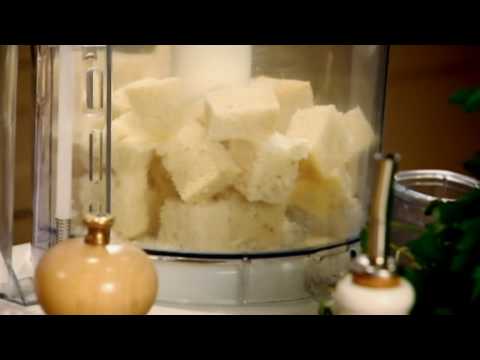
Remove the onion and aromatics from the infused milk. Stir in 2 cups of fresh white breadcrumbs and a pinch of salt, cooking over low heat until the mixture thickens to your desired consistency.For added richness, you can stir in a knob of butter just before serving.
Serving the Dish
Carving and Plating
Once the pheasant is roasted, allow it to rest for 10-15 minutes before carving. This will keep the meat juicy. Carve the pheasant into pieces and serve it alongside the warm bread sauce.Serve with seasonal vegetables or a light salad to balance the richness.

Equipment

Nutrition Facts
Servings 4
- Amount Per Serving
- Calories 749.6kcal
- % Daily Value *
- Total Fat 42.69g66%
- Saturated Fat 15.5g78%
- Cholesterol 192.61mg65%
- Sodium 1332.62mg56%
- Potassium 871.64mg25%
- Total Carbohydrate 29.87g10%
- Dietary Fiber 1.66g7%
- Sugars 9.05g
- Protein 58.6g118%
- Vitamin A 850.51 IU
- Vitamin C 14.5 mg
- Calcium 219.35 mg
- Iron 4.26 mg
- Vitamin D 0.85 mcg
- Vitamin E 1.47 mg
- Vitamin K 6.74 mcg
- Thiamin 0.45 mg
- Riboflavin 0.63 mg
- Niacin 17.75 mg
- Vitamin B6 1.62 mg
- Folate 67.17 mcg
- Vitamin B12 2.09 mcg
- Pantothenic Acid 2.54 mg
- Phosphorus 628.35 mg
- Magnesium 73.23 mg
- Zinc 2.98 mg
- Selenium 47.02 mcg
- Copper 0.28 mg
- Manganese 0.4 mg
* Nutrition information is provided as an estimate per serving and may vary depending on the ingredients, brands, substitutions, portion sizes and preparation methods used. Percent Daily Values (%DV) are based on U.S. FDA reference values for a 2,000-calorie diet and are intended as a general guide only. Individual nutritional needs vary. This information is not a substitute for advice from a registered dietitian or other qualified healthcare professional.
Note
- Preheat your oven to 375°F (190°C) for even cooking.
- Choose a plump, fresh pheasant, ideally free-range, for the best flavor.
- Pat the pheasant dry with paper towels to ensure a crispy skin.
- Season the cavity generously with salt and pepper; consider adding fresh herbs like thyme or rosemary for depth.
- Truss the legs to ensure even cooking and a beautiful presentation.
- Rub the skin with softened butter and sprinkle with sea salt for a golden, crispy finish.
- Roast the pheasant for about 20 minutes per pound, basting occasionally with pan juices.
- Use a meat thermometer to check for doneness; aim for 165°F (74°C) in the thickest part of the thigh.
- For the bread sauce, use day-old white bread, preferably a crusty loaf, to achieve the right texture.
- Infuse the milk with aromatics like onion, cloves, and bay leaves for a richer flavor.
- Blend the soaked bread with the infused milk, adding seasoning to taste.
- Serve the pheasant with the bread sauce generously drizzled over the top.
- Pair with seasonal vegetables such as roasted root vegetables or sautéed greens for balance.
- Consider a light-bodied red wine or a full-bodied white to complement the dish.


User Reviews
the bread sauce sounded odd to me at first but it actually works well.