
Recipe Snapshot
Recipe at a Glance
Key timing, yield and style details before you start cooking.
Fat Distribution and Seasoning Penetration
Chicken thighs contain a balanced ratio of intramuscular fat and connective tissue, which renders effectively under dry heat. The skin acts as a moisture barrier, allowing internal steaming while the exterior crisps. Paprika contributes both pigment and mild capsaicin-driven warmth, while garlic provides sulfur compounds that deepen in sweetness through roasting. Salt must be applied early to draw surface moisture, promoting adhesion of the spice mix and aiding in skin dehydration. A small quantity of oil ensures even spice dispersion and prevents localized scorching during oven exposure.
Thermal Management and Oven Dynamics
Roasting at 200°C establishes a controlled balance between Maillard browning and internal protein denaturation. The thighs should be positioned on a rack to allow convective air circulation, ensuring uniform heat exposure and preventing soggy undersides. Initial high heat promotes fat rendering; subsequent steady temperature maintains juiciness without overcooking. Carryover heat continues to raise internal temperature post-removal, so extraction at 72°C internal ensures final equilibrium near 75°C. Avoid overcrowding the roasting pan, as trapped steam inhibits crisping and delays browning.
Textural and Flavour Transformation
During roasting, collagen converts to gelatin, enriching mouthfeel and moisture retention. The spice coating undergoes light caramelisation, intensifying aroma and forming a cohesive crust. Garlic transitions from sharp to nutty as its sugars brown, integrating with rendered fat to form a natural pan jus. The skin’s lipid layer crisps through dehydration, while the underlying meat remains tender due to moderate internal temperature. The result is a layered texture contrast—crisp exterior, succulent interior, and aromatic fat glaze binding both elements.
Workflow Efficiency and Preparation Logic
Mise en place should prioritise trimming and pat-drying thighs before seasoning to prevent dilution of the spice rub. Mixing the spice blend in advance ensures uniformity and reduces handling time. While the chicken roasts, the resting area and carving tools should be prepared to streamline service. Using a digital probe thermometer eliminates guesswork and prevents overcooking. The workflow is linear and low-intervention, allowing parallel preparation of sides without compromising the main component’s timing or texture integrity.
Regional Technique Lineage
This preparation aligns with Mediterranean and Spanish roasting traditions, where paprika and garlic form the aromatic base for poultry. The technique evolved from rustic wood-fired ovens that emphasised dry heat and fat rendering. Modern adaptations maintain the same flavour logic but employ controlled convection ovens for precision. The use of smoked or sweet paprika reflects regional spice trade influences from the Iberian Peninsula, integrating New World peppers into European roasting methods while preserving the essential balance of fat, spice, and heat.
Recipe Education
Learn the Skills Behind This Recipe
Build confidence with cooking skills, techniques, and tools used in this recipe.
Oven Temperature Conversions
Understand oven temperatures and how they affect baking and roasting.
Recommended for the bake method used in this recipe.
Baking Tools Guide
Understand essential tools for mixing, measuring, and preparing recipes.
Recommended for the bake method used in this recipe.
How to Roast Properly
Improve roasting with better tray setup, timing, and oven heat balance.
Recommended for the roast method used in this recipe.
Cooking Basics
Build safer knife preparation, heat control, timing, and everyday kitchen confidence.
Helpful when using chef knife during preparation.
Cookware Guide
Learn which pots and pans work best for frying, sautéing, simmering, and roasting.
Helpful when using roasting pan during preparation.


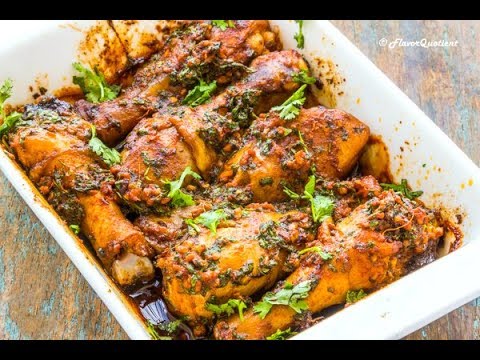
Roasted Chicken Thighs with Garlic and Paprika
Description
Chicken thighs contain a balanced ratio of intramuscular fat and connective tissue, which renders effectively under dry heat. The skin acts as a moisture barrier, allowing internal steaming while the exterior crisps. Paprika contributes both pigment and mild capsaicin-driven warmth, while garlic provides sulfur compounds that deepen in sweetness through roasting. Salt must be applied early to draw surface moisture, promoting adhesion of the spice mix and aiding in skin dehydration. A small quantity of oil ensures even spice dispersion and prevents localized scorching during oven exposure.
Ingredients
Ingredients
Instructions
Instructions
Step 1
Preheat the oven to 200°C. Line a Roasting Pan with a Roasting Rack to allow airflow beneath the chicken.Preheating ensures immediate surface dehydration, critical for crisp skin formation.Step 2
Pat the chicken thighs dry on a Cutting Board using paper towels to remove surface moisture.Residual moisture inhibits browning; ensure skin is fully dry before seasoning.Step 3
In a Mixing Bowl, combine olive oil, minced garlic, paprika, salt, and black pepper to form a uniform paste.Mix until the oil fully suspends the spices—this prevents uneven colour development during roasting.Step 4
Rub the spice mixture evenly over the chicken thighs, ensuring full coverage under the skin where possible.Applying seasoning beneath the skin enhances flavour penetration without burning surface spices.Step 5
Arrange the thighs skin-side up on the Roasting Rack and roast for 35–40 minutes, or until internal temperature reaches 72°C.Use a Thermometer(Meat) to verify internal temperature rather than relying on colour cues.Step 6
Remove from oven and rest for 5–7 minutes to allow juices to redistribute. Drizzle with lemon juice and garnish with chopped parsley before serving.Resting stabilises internal moisture; cutting too early causes liquid loss and texture collapse.
Recommended Equipment

Nutrition Facts
Servings 4
Serving Size 1 portion
- Amount Per Serving
- Calories 567.7kcal
- % Daily Value *
- Total Fat 45.98g71%
- Saturated Fat 11g56%
- Cholesterol 208.25mg70%
- Sodium 747.12mg32%
- Potassium 486.55mg14%
- Total Carbohydrate 2.62g1%
- Dietary Fiber 0.56g3%
- Sugars 0.25g
- Protein 34.93g70%
- Vitamin A 814.06 IU
- Vitamin C 3.66 mg
- Calcium 28.17 mg
- Iron 1.87 mg
- Vitamin D 0.21 mcg
- Vitamin E 2.31 mg
- Vitamin K 27.75 mcg
- Thiamin 0.17 mg
- Riboflavin 0.3 mg
- Niacin 10.02 mg
- Vitamin B6 0.79 mg
- Folate 9.27 mcg
- Vitamin B12 1.36 mcg
- Pantothenic Acid 2.22 mg
- Phosphorus 345.2 mg
- Magnesium 44.31 mg
- Zinc 2.76 mg
- Selenium 40.25 mcg
- Copper 0.13 mg
- Manganese 0.14 mg
* Nutrition information is provided as an estimate per serving and may vary depending on the ingredients, brands, substitutions, portion sizes and preparation methods used. Percent Daily Values (%DV) are based on U.S. FDA reference values for a 2,000-calorie diet and are intended as a general guide only. Individual nutritional needs vary. This information is not a substitute for advice from a registered dietitian or other qualified healthcare professional.
Note
Allow the dish to cool gradually before sealing. Rapid temperature shifts can create condensation, weakening texture and diluting surface flavour concentration. The resting phase supports structural stabilisation and moisture redistribution. Cutting or serving too early may compromise internal balance. Spice intensity can deepen over time as volatile compounds settle. Taste and adjust seasoning after resting. Monitor seasoning levels after storage, as salt perception can shift once chilled.


