
Recipe Snapshot
Recipe at a Glance
Key timing, yield and style details before you start cooking.
Caramelisation and Starch Conversion Control
Sweet potatoes contain high levels of natural sugars and starches that undergo caramelisation and Maillard reactions during roasting. The balance between oil and surface moisture determines whether the exterior crisps or steams. A controlled oil coating ensures even heat transfer and prevents desiccation. Maple syrup introduces additional sugars that intensify browning but can burn if applied too early. Salt enhances sweetness perception and moderates water activity, while a small amount of acid from vinegar or lemon juice stabilises the glaze and prevents excessive stickiness. Proper cutting size ensures uniform heat exposure and consistent internal softening without over-reduction of surface sugars.
Heat Management and Roasting Dynamics
Roasting at 200°C promotes rapid surface dehydration followed by caramelisation. The oven environment must maintain dry heat; overcrowding the baking sheet traps steam and inhibits browning. Turning the pieces midway ensures even exposure and prevents one-sided charring. The glaze is applied near the end of cooking to avoid premature burning of maple sugars. Carryover heat continues caramelisation after removal, so final colour should be slightly lighter than the target shade when exiting the oven. Consistent spacing and preheated equipment stabilise thermal flow and reduce uneven texture gradients across the batch.
Textural Transformation and Glaze Integration
During roasting, the starches gelatinise and cell walls soften, producing a creamy interior beneath a crisp exterior. The late-stage glaze application forms a thin, glossy film as water evaporates and sugars concentrate. The oil in the glaze aids adhesion and prevents crystallisation. A brief rest after roasting allows the glaze to set and the surface to firm without becoming tacky. The resulting structure balances soft core and caramelised shell, with controlled sweetness and a clean finish. Proper timing of glaze addition is critical to avoid syrup pooling or uneven coating.
Workflow Efficiency and Preparation Sequencing
Uniform cutting and preheating are the main efficiency levers. Preparing the glaze while the potatoes roast eliminates idle time. Using a single baking sheet simplifies rotation and monitoring. Mise en place should prioritise trimming and drying the sweet potatoes before oiling to prevent dilution of the coating. The glaze can be mixed in advance and held at room temperature for up to one hour without separation. For larger batches, stagger roasting trays to maintain oven airflow and consistent temperature recovery between openings.
Regional Technique Context and Adaptation
Roasted sweet potatoes with maple glaze align with North American autumnal cooking traditions, particularly those influenced by Canadian maple production and Southern U.S. root vegetable usage. The technique evolved from simple baked tubers to glazed preparations as maple syrup became a common sweetener. The method reflects a shift from purely sweet side dishes toward balanced savoury-sweet accompaniments. Modern adaptations emphasise controlled caramelisation and reduced sugar load, maintaining the dish’s regional identity while improving textural precision and heat management.
Recipe Education
Learn the Skills Behind This Recipe
Build confidence with cooking skills, techniques, and tools used in this recipe.
Cooking Basics
Build safer knife preparation, heat control, timing, and everyday kitchen confidence.
Helpful when using chef knife during preparation.
Oven Temperature Conversions
Understand oven temperatures and how they affect baking and roasting.
Recommended for the roast method used in this recipe.
Baking Tools Guide
Understand essential tools for mixing, measuring, and preparing recipes.
Helpful when using mixing bowl during preparation.
How to Roast Properly
Improve roasting with better tray setup, timing, and oven heat balance.
Recommended for the roast method used in this recipe.


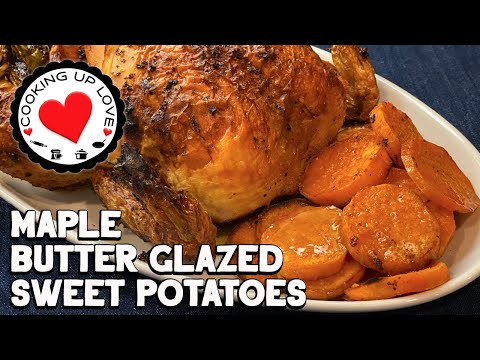
Roasted Sweet Potatoes with Maple Glaze
Description
Sweet potatoes contain high levels of natural sugars and starches that undergo caramelisation and Maillard reactions during roasting. The balance between oil and surface moisture determines whether the exterior crisps or steams. A controlled oil coating ensures even heat transfer and prevents desiccation. Maple syrup introduces additional sugars that intensify browning but can burn if applied too early. Salt enhances sweetness perception and moderates water activity, while a small amount of acid from vinegar or lemon juice stabilises the glaze and prevents excessive stickiness. Proper cutting size ensures uniform heat exposure and consistent internal softening without over-reduction of surface sugars.
Ingredients
Ingredients
Instructions
Instructions
Step 1
Preheat oven to 200°C. Line a Baking Sheet with Parchment Paper and place it on the middle rack to preheat for 5 minutes.Preheating the Baking Sheet accelerates surface caramelisation and prevents sticking by initiating browning on contact.Step 2
In Mixing Bowls, toss sweet potatoes with olive oil, salt, and black pepper until evenly coated.Ensure each cube is lightly coated; excess oil inhibits crisping and causes uneven browning.Step 3
Spread the seasoned sweet potatoes in a single layer on the hot Baking Sheet, leaving space between pieces. Roast for 20 minutes.Avoid overcrowding; trapped steam will soften edges and prevent proper caramelisation.Step 4
While roasting, combine maple syrup, apple cider vinegar, and thyme leaves in a small bowl to form the glaze.Mix the glaze gently to avoid aeration; bubbles can cause uneven coating during application.Step 5
After 20 minutes, turn the sweet potatoes using a Turner Spatula. Brush with half of the maple glaze and return to the oven for 10–12 minutes.Apply glaze only after initial browning; early application risks burning due to high sugar content.Step 6
Remove from oven, brush with remaining glaze, and let rest on a Cooling Rack for 5 minutes to set the coating.Resting allows residual heat to finish caramelisation and stabilise the glaze without over-thickening.
Recommended Equipment

Nutrition Facts
Servings 4
Serving Size 1 portion
- Amount Per Serving
- Calories 270.94kcal
- % Daily Value *
- Total Fat 6.96g11%
- Saturated Fat 0.99g5%
- Sodium 402.27mg17%
- Potassium 712.96mg21%
- Total Carbohydrate 49.72g17%
- Dietary Fiber 6.13g25%
- Sugars 16.53g
- Protein 3.19g7%
- Vitamin A 28399.12 IU
- Vitamin C 5.6 mg
- Calcium 78.39 mg
- Iron 1.39 mg
- Vitamin E 1.51 mg
- Vitamin K 8.13 mcg
- Thiamin 0.17 mg
- Riboflavin 0.3 mg
- Niacin 1.13 mg
- Vitamin B6 0.42 mg
- Folate 22.27 mcg
- Pantothenic Acid 1.61 mg
- Phosphorus 95.13 mg
- Magnesium 54.22 mg
- Zinc 0.71 mg
- Selenium 1.22 mcg
- Copper 0.31 mg
- Manganese 0.88 mg
* Nutrition information is provided as an estimate per serving and may vary depending on the ingredients, brands, substitutions, portion sizes and preparation methods used. Percent Daily Values (%DV) are based on U.S. FDA reference values for a 2,000-calorie diet and are intended as a general guide only. Individual nutritional needs vary. This information is not a substitute for advice from a registered dietitian or other qualified healthcare professional.
Note
Allow the dish to cool gradually before sealing. Rapid temperature shifts can create condensation, weakening texture and diluting surface flavour concentration. The resting phase supports structural stabilisation and moisture redistribution. Cutting or serving too early may compromise internal balance. Spice intensity can deepen over time as volatile compounds settle. Taste and adjust seasoning after resting. Monitor seasoning levels after storage, as salt perception can shift once chilled.


