
Recipe Snapshot
Recipe at a Glance
Key timing, yield and style details before you start cooking.
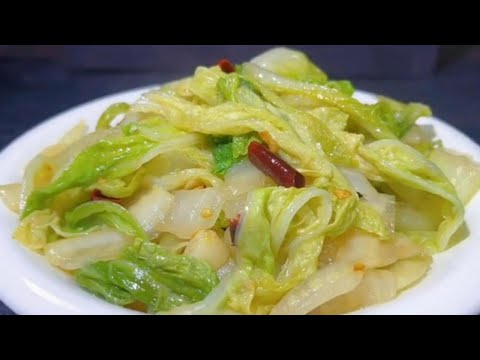
Sautéed cabbage with soy and vinegar is a delightful dish that harmonizes the earthy sweetness of fresh cabbage with the umami richness of soy sauce and the tangy brightness of vinegar, resulting in a perfect balance of flavors that can complement any meal.
Origins of Sautéed Cabbage
Cabbage has a storied history, cherished in many cultures for its versatility, nutrition, and robust character. This particular preparation draws inspiration from various Asian culinary traditions, where cabbage is often a star ingredient. It embodies the concept of using simple, honest ingredients to create something deeply satisfying and memorable. In my years spent in kitchens around the world, I’ve witnessed how this humble vegetable transforms when sautéed, allowing its natural sweetness to emerge, enhanced by the savory notes of soy and the zing of vinegar.
Flavor Profile and Unique Ingredients
What sets this dish apart is the interplay of flavors that dance on the palate. The soy sauce, with its deep, complex flavors, elevates the cabbage, infusing it with salty notes that are both comforting and bold. The vinegar—whether you choose rice vinegar for a milder touch or a more assertive balsamic—adds a necessary acidity, cutting through the richness and providing a refreshing counterpoint. The addition of garlic or ginger can further enhance the dish, introducing aromatic elements that awaken the senses.
Culinary Techniques and Tips
Sautéing is a technique that allows for quick cooking while preserving the vegetable’s integrity and crunch. It’s essential to use high heat and work in batches if necessary to avoid steaming the cabbage. Over the years, I’ve learned that the secret to achieving that perfect tender-crisp texture lies in not overcrowding the pan. This dish is not just about cooking; it’s a celebration of the ingredients, where each element plays a pivotal role in creating a symphony of tastes.
In crafting this sautéed cabbage, you’re not only creating a dish that’s quick and easy but also one that resonates with the comfort of home cooking and the elegance of fine dining. It’s a perfect example of how simple ingredients can come together to create something extraordinary.
Recipe Education
Learn the Skills Behind This Recipe
Build confidence with cooking skills, techniques, and tools used in this recipe.
Cooking Basics
Build safer knife preparation, heat control, timing, and everyday kitchen confidence.
Helpful when using chef knife during preparation.
How to Sauté Properly
Master fast cooking, pan heat, and ingredient timing for better texture.
Recommended for the saute method used in this recipe.
Cookware Guide
Learn which pots and pans work best for frying, sautéing, simmering, and roasting.
Helpful when using wok during preparation.
Teaspoons to Grams
Use small-measure conversions more accurately in cooking and baking.
Helpful when using measuring spoons during preparation.


Sautéed Cabbage with Soy and Vinegar
Description
This sautéed cabbage dish is a delightful blend of umami and acidity, making it a versatile addition to your dinner table. It's both comforting and refreshing, ideal for any occasion.
Ingredients
Ingredients for Sautéed Cabbage with Soy and Vinegar
Instructions
Preparing the Cabbage
Shred the Cabbage
Begin by removing any damaged outer leaves from the cabbage. Cut the cabbage in half, then cut each half into thin strips, about 1/4 inch wide. This will help the cabbage cook evenly and absorb the flavors.For a deeper flavor, consider using a mix of green and red cabbage for a colorful presentation.
Cooking the Cabbage
Heat the Oil
In a large skillet or wok, heat 2 tablespoons of vegetable oil over medium-high heat until shimmering. You want the oil hot enough to sizzle when the cabbage is added.Using a neutral oil like grapeseed or canola allows the flavors of the cabbage to shine through.Sauté the Cabbage
Add the shredded cabbage to the hot oil in batches, ensuring not to overcrowd the pan. Sauté for about 5-7 minutes, stirring frequently, until the cabbage is wilted and slightly caramelized.For added depth, toss in minced garlic or ginger during the last minute of cooking.
Seasoning the Cabbage
Add Soy Sauce and Vinegar
Once the cabbage is tender and has a hint of sweetness, drizzle in 2 tablespoons of soy sauce and 1 tablespoon of rice vinegar. Stir well to combine and cook for an additional 2 minutes to allow the flavors to meld.Adjust the soy sauce and vinegar to your taste; you can add a splash more if you prefer a stronger flavor.
Finishing Touches
Garnish and Serve
Remove the skillet from heat and transfer the sautéed cabbage to a serving dish. Garnish with sesame seeds and thinly sliced scallions for a fresh crunch.Serve warm as a side dish or atop steamed rice for a light, satisfying meal.
Equipment

Nutrition Facts
Servings 4
- Amount Per Serving
- Calories 145.9kcal
- % Daily Value *
- Total Fat 7.21g12%
- Saturated Fat 1.07g6%
- Sodium 467.07mg20%
- Potassium 470.9mg14%
- Total Carbohydrate 19.16g7%
- Dietary Fiber 6.54g27%
- Sugars 11.31g
- Protein 4.21g9%
- Vitamin A 305.08 IU
- Vitamin C 93.18 mg
- Calcium 109.18 mg
- Iron 1.48 mg
- Vitamin E 0.51 mg
- Vitamin K 203.43 mcg
- Thiamin 0.16 mg
- Riboflavin 0.12 mg
- Niacin 0.93 mg
- Vitamin B6 0.35 mg
- Folate 112.91 mcg
- Pantothenic Acid 0.56 mg
- Phosphorus 79.87 mg
- Magnesium 35.35 mg
- Zinc 0.53 mg
- Selenium 1.11 mcg
- Copper 0.07 mg
- Manganese 0.48 mg
* Nutrition information is provided as an estimate per serving and may vary depending on the ingredients, brands, substitutions, portion sizes and preparation methods used. Percent Daily Values (%DV) are based on U.S. FDA reference values for a 2,000-calorie diet and are intended as a general guide only. Individual nutritional needs vary. This information is not a substitute for advice from a registered dietitian or other qualified healthcare professional.
Note
- Use fresh, vibrant green cabbage for the best flavor and texture.
- Slice the cabbage thinly to ensure even cooking and to allow for maximum absorption of flavors.
- Heat the pan until it’s hot before adding oil to achieve a nice sauté without steaming the cabbage.
- Use a combination of sesame oil and vegetable oil for depth of flavor; the sesame oil adds a nutty aroma.
- Add garlic and ginger early in the cooking process for a fragrant base, but be careful not to burn them.
- Incorporate soy sauce gradually to control the saltiness; taste as you go.
- A splash of rice vinegar brightens the dish—add it towards the end of cooking for a fresh, tangy finish.
- For added texture, consider tossing in sesame seeds or sliced scallions just before serving.
- Serve as a side dish to grilled meats or as a topping for rice bowls.
- This dish can be easily customized with additional vegetables like carrots or bell peppers for color and nutrition.


User Reviews
This was too sour, just too much going on for my taste.