
Recipe Snapshot
Recipe at a Glance
Key timing, yield and style details before you start cooking.
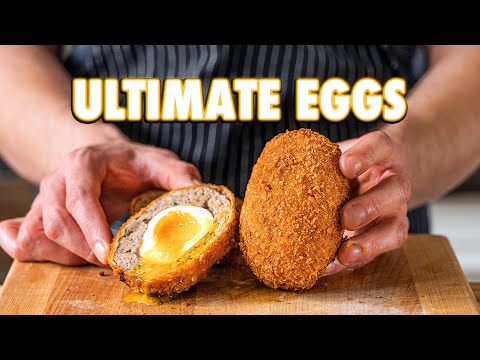
Scotch Eggs are a delightful culinary creation that elegantly combines the simplicity of a hard-boiled egg and the indulgence of seasoned sausage meat, all enveloped in a crispy breadcrumb coating. This dish is a perfect balance of textures and flavors, offering a savory experience that can be enjoyed as a snack, appetizer, or even a main course. The magic lies in the preparation, where each element contributes to a symphony of taste and satisfaction.
Origins and Cultural Significance
The origins of Scotch Eggs date back to the 18th century, with various theories surrounding their inception. Some suggest they were created by the esteemed Fortnum & Mason department store in London, designed as an elegant portable meal for travelers. Others believe they hail from Scotland, where they were likely enjoyed as a comforting dish during gatherings. Regardless of their precise beginnings, Scotch Eggs have woven themselves into the fabric of British cuisine, becoming a beloved staple at picnics, pubs, and family gatherings alike. Their cultural significance is evident in how they bring people together, often sparking nostalgia and conversation over shared experiences.
Unique Ingredients and Flavors
What sets my Scotch Egg apart is not just the traditional sausage meat but the careful selection of spices and herbs that elevate the dish. I often infuse the sausage mixture with fresh herbs like thyme and parsley, along with a hint of nutmeg, which adds warmth and complexity. For the breadcrumb coating, I recommend using panko crumbs to achieve an extra crunch, while a light dusting of smoked paprika introduces a subtle smokiness that complements the rich sausage and egg perfectly. The use of a perfectly cooked soft-boiled egg at the center adds a lush creaminess that contrasts beautifully with the crispy exterior, creating an unforgettable bite.
Cooking Techniques
The cooking technique is crucial to achieving that perfect Scotch Egg. It’s essential to master the art of boiling the eggs to just the right doneness—firm enough to peel easily, yet soft enough to create a luscious yolk. Wrapping the egg in the sausage mixture requires finesse; ensuring an even layer without cracks is key to a successful result. Finally, frying the Scotch Eggs until golden brown provides that satisfying crunch while sealing in all the flavors. Each step is an opportunity to infuse your personality into the dish, allowing you to create a unique experience with every batch.
In making Scotch Eggs, you’re not just preparing a dish; you’re crafting a piece of culinary history that invites warmth and joy into your home.
Recipe Education
Learn the Skills Behind This Recipe
Build confidence with cooking skills, techniques, and tools used in this recipe.
How to Boil Properly
Learn boiling times, temperature control, and how to avoid overcooking.
Recommended for the boil method used in this recipe.
How to Fry Properly
Understand pan heat, oil temperature, and how to get better frying results.
Recommended for the fry method used in this recipe.
Cookware Guide
Learn which pots and pans work best for frying, sautéing, simmering, and roasting.
Helpful when using saucepan during preparation.
Baking Tools Guide
Understand essential tools for mixing, measuring, and preparing recipes.
Helpful when using mixing bowl during preparation.


Scotch Eggs
Description
Scotch Eggs are a savory treat that offers a delightful contrast of flavors and textures, with the creamy yolk of the egg, the flavorful sausage, and the crunchy exterior. They're perfect as a snack or a meal.
Ingredients
Ingredients for Scotch Eggs
Instructions
Preparing the Eggs
Boil the Eggs
Place six large eggs in a pot and cover them with cold water. Bring to a gentle boil over medium heat, then reduce heat and simmer for 6-7 minutes for soft-boiled eggs. If you prefer a firmer yolk, simmer for 9-10 minutes.Immediately transfer the eggs to an ice bath to stop the cooking process and make peeling easier.Peel the Eggs
Once the eggs are cool enough to handle, gently tap them on a hard surface and peel under running water to help remove the shell without damaging the egg.Older eggs tend to peel more easily than fresh ones. If you're using fresh eggs, consider adding a splash of vinegar to the boiling water for easier peeling.
Preparing the Sausage Mixture
Make the Sausage Mixture
In a bowl, combine 500g of sausage meat (you can use a mix of pork and herbs for flavor), 1 teaspoon of dried thyme, 1 teaspoon of smoked paprika, a pinch of salt, and freshly ground black pepper. Mix well until all ingredients are evenly incorporated.Feel free to add finely chopped fresh herbs like parsley or sage for an aromatic touch.
Assembling the Scotch Eggs
Wrap the Eggs
Divide the sausage mixture into six equal portions. Flatten each portion into a disc and carefully wrap it around each peeled egg, ensuring the egg is completely encased and the sausage is evenly distributed.Make sure there are no gaps in the sausage layer to prevent it from breaking apart during cooking.
Coating the Eggs
Coat the Eggs
Prepare three bowls: one with flour, another with beaten eggs, and the last with breadcrumbs. Roll each sausage-wrapped egg in flour, dip it in the beaten eggs, and finally coat it with breadcrumbs, pressing gently to adhere.For extra crunch, consider using panko breadcrumbs instead of regular breadcrumbs.
Cooking the Scotch Eggs
Fry the Scotch Eggs
Heat oil in a deep fryer or a deep pan to 180°C (350°F). Fry the eggs in batches until golden brown and crispy, which should take about 5-6 minutes. Be sure not to overcrowd the pan.Use a thermometer to maintain the oil temperature for perfectly cooked eggs. If you prefer a healthier option, you can bake them at 200°C (400°F) for about 25-30 minutes.
Serving the Scotch Eggs
Serve and Enjoy
Once cooked, remove the Scotch eggs from the oil and drain on paper towels. Serve warm or at room temperature, sliced in half to reveal the beautiful yolk inside, with a side of mustard or your favorite dipping sauce.These make an excellent picnic snack or a delightful addition to a brunch spread!

Nutrition Facts
Servings 4
- Amount Per Serving
- Calories 1518.35kcal
- % Daily Value *
- Total Fat 150.18g232%
- Saturated Fat 28.93g145%
- Cholesterol 93.72mg32%
- Sodium 1561.09mg66%
- Potassium 378.54mg11%
- Total Carbohydrate 21.46g8%
- Dietary Fiber 1.47g6%
- Sugars 1.63g
- Protein 23.03g47%
- Vitamin A 102.19 IU
- Vitamin C 0.95 mg
- Calcium 63.36 mg
- Iron 2.96 mg
- Vitamin D 1.64 mcg
- Vitamin E 9.75 mg
- Vitamin K 214.85 mcg
- Thiamin 0.62 mg
- Riboflavin 0.28 mg
- Niacin 7.81 mg
- Vitamin B6 0.42 mg
- Folate 37.04 mcg
- Vitamin B12 1.15 mcg
- Pantothenic Acid 1.02 mg
- Phosphorus 225.1 mg
- Magnesium 33.76 mg
- Zinc 3.18 mg
- Selenium 9.99 mcg
- Copper 0.17 mg
- Manganese 0.35 mg
* Nutrition information is provided as an estimate per serving and may vary depending on the ingredients, brands, substitutions, portion sizes and preparation methods used. Percent Daily Values (%DV) are based on U.S. FDA reference values for a 2,000-calorie diet and are intended as a general guide only. Individual nutritional needs vary. This information is not a substitute for advice from a registered dietitian or other qualified healthcare professional.
Note
- Use high-quality sausage meat for the best flavor; a mixture of pork and herbs is ideal.
- Soft-boil the eggs for exactly 6 to 7 minutes for a perfect, creamy yolk that contrasts beautifully with the crispy coating.
- Cool the eggs in ice water immediately after boiling to stop the cooking process and make peeling easier.
- Season the sausage meat generously with salt, pepper, and any additional spices or herbs you prefer, such as sage or thyme.
- Wrap the sausage around the egg evenly, ensuring there are no gaps to prevent leakage during frying.
- For extra crunch, consider rolling the coated eggs in panko breadcrumbs instead of traditional breadcrumbs.
- Fry in oil at 350°F (175°C) for a crisp exterior; avoid overcrowding the pan to maintain oil temperature.
- Serve with a tangy mustard or a homemade dipping sauce for an elevated touch.
- These eggs can be prepped ahead of time and then fried just before serving for maximum freshness.
- Experiment with different flavor profiles by incorporating cheeses, spices, or even a hint of chili for a kick.


User Reviews
The crisp coating and runny inside is perfect.
النكهة متوازنة لكن كنت أفضل صفارًا أكثر سيولة.