
Recipe Snapshot
Recipe at a Glance
Key timing, yield and style details before you start cooking.
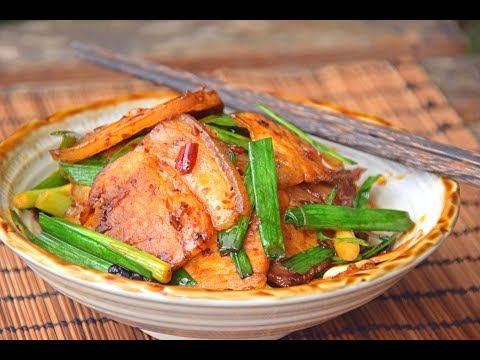
Sichuan Twice-Cooked Pork is a captivating dish that marries the rich, fatty layers of pork belly with the bold, vibrant flavors synonymous with Sichuan cuisine. This dish, as the name suggests, involves cooking the pork twice—first, it is simmered to tender perfection, and then it is stir-fried with a tantalizing array of spices and vegetables that awaken the palate. The result is a dish that is both comforting and exhilarating, rich and spicy, making it a staple in many households and restaurants across China.
This dish is from the region of Sichuan, Chinese Regional.
The origins of Twice-Cooked Pork can be traced back to the Sichuan province, known for its diverse culinary traditions and the iconic use of Sichuan peppercorns and chili peppers. This dish embodies the essence of Sichuan cooking, where the interplay of flavors—from spicy and numbing to savory and slightly sweet—creates an unforgettable experience. Traditionally, this dish was a way to utilize leftover pork, transforming it into something extraordinary. The cooking method reflects a resourceful approach to food, showcasing how simple ingredients can be elevated into a celebration of flavor.
What sets Sichuan Twice-Cooked Pork apart from other pork dishes is the unique combination of ingredients that create a symphony of flavors. The pork belly, with its luscious fat and tender meat, is the star of the show. It is complemented by fragrant garlic, ginger, and scallions, along with the fiery kick of doubanjiang (fermented broad bean paste) and the aromatic allure of Sichuan peppercorns. This harmonious blend of ingredients not only tantalizes the taste buds but also offers a delightful contrast of textures—from the silky pork to the crunch of stir-fried vegetables.
The cooking techniques used in this dish are just as essential as the ingredients. The initial simmering of the pork ensures it is tender and flavorful, while the subsequent stir-frying process adds depth and complexity, allowing the spices to meld beautifully with the pork. This two-step method is a hallmark of many Sichuan dishes, showcasing the care and attention that goes into crafting each bite. As you delve into the process of making Sichuan Twice-Cooked Pork, you will discover the joy of balancing flavors, mastering the art of stir-frying, and transforming humble ingredients into a culinary masterpiece.
Recipe Education
Learn the Skills Behind This Recipe
Build confidence with cooking skills, techniques, and tools used in this recipe.
Cookware Guide
Learn which pots and pans work best for frying, sautéing, simmering, and roasting.
Helpful when using frying pan during preparation.
How to Boil Properly
Learn boiling times, temperature control, and how to avoid overcooking.
Recommended for the boil method used in this recipe.
How to Roast Properly
Improve roasting with better tray setup, timing, and oven heat balance.
Recommended for the roast method used in this recipe.
Oven Temperature Conversions
Understand oven temperatures and how they affect baking and roasting.
Recommended for the roast method used in this recipe.
How to Sauté Properly
Master fast cooking, pan heat, and ingredient timing for better texture.
Recommended for the saute method used in this recipe.
Cooking Basics
Build safer knife preparation, heat control, timing, and everyday kitchen confidence.
Helpful when using chef knife during preparation.


Sichuan Twice-Cooked Pork
Description
Sichuan Twice-Cooked Pork is a rich and spicy dish that tantalizes the taste buds with its layers of flavor, combining tender pork belly with vibrant Sichuan spices for an unforgettable meal.
Ingredients
Ingredients for Sichuan Twice-Cooked Pork
Instructions
Preparing the Pork
Blanch the Pork Belly
Place the pork belly in a pot of cold water. Bring it to a boil over medium heat. Once boiling, cook for about 5 minutes, skimming off any impurities that rise to the surface. This step helps to remove excess fat and impurities, ensuring a cleaner flavor.Using cold water helps to gradually heat the meat, keeping it tender.Slice the Pork
Remove the pork belly from the pot and let it cool slightly. Once cool enough to handle, slice it into 1/4-inch thick pieces. These slices will absorb the flavors during the cooking process while maintaining a satisfying bite.Make sure your knife is sharp for clean cuts; this will also help in achieving a beautiful presentation later.
Cooking the Pork
First Cook
In a skillet or wok, heat 2 tablespoons of vegetable oil over medium-high heat. Add the sliced pork belly and cook until it starts to brown and crisp, about 5-7 minutes. This initial cooking adds depth and flavor to the pork.Do not overcrowd the pan; cook in batches if necessary for even browning.Adding Aromatics
Once the pork is browned, add minced garlic, sliced ginger, and chopped scallions. Stir-fry for an additional 2 minutes until fragrant. The aromatics will infuse the pork with rich flavors.Be careful not to burn the garlic; it can turn bitter if overcooked.Add Sichuan Flavors
Sprinkle in doubanjiang (Sichuan chili bean paste), soy sauce, and a splash of rice wine. Stir well to combine, ensuring the pork is well-coated with the sauce. Cook for another 3-5 minutes, allowing the flavors to meld.Adjust the amount of doubanjiang according to your spice preference.
Final Touches
Finish with Vegetables
Add your choice of seasonal vegetables, such as bell peppers or bok choy, and stir-fry for another 3-4 minutes until they are just tender yet still vibrant. This adds color and nutrition to the dish.Feel free to experiment with different vegetables based on what's available.Garnish and Serve
Transfer the twice-cooked pork to a serving dish and garnish with additional chopped scallions and a sprinkle of sesame seeds. Serve hot with steamed rice to soak up the delicious sauce.For a touch of heat, consider adding a drizzle of chili oil on top before serving.
Equipment

Nutrition Facts
Servings 4
- Amount Per Serving
- Calories 726.86kcal
- % Daily Value *
- Total Fat 69.88g108%
- Saturated Fat 24.76g124%
- Cholesterol 90mg30%
- Sodium 723.03mg31%
- Potassium 342.51mg10%
- Total Carbohydrate 10.76g4%
- Dietary Fiber 1.58g7%
- Sugars 3.79g
- Protein 12.99g26%
- Vitamin A 225.56 IU
- Vitamin C 2.29 mg
- Calcium 38.79 mg
- Iron 1.41 mg
- Vitamin E 0.86 mg
- Vitamin K 27.06 mcg
- Thiamin 0.51 mg
- Riboflavin 0.33 mg
- Niacin 6.11 mg
- Vitamin B6 0.22 mg
- Folate 7.03 mcg
- Vitamin B12 1.05 mcg
- Pantothenic Acid 0.43 mg
- Phosphorus 155.65 mg
- Magnesium 18.32 mg
- Zinc 1.41 mg
- Selenium 10.78 mcg
- Copper 0.16 mg
- Manganese 0.73 mg
* Nutrition information is provided as an estimate per serving and may vary depending on the ingredients, brands, substitutions, portion sizes and preparation methods used. Percent Daily Values (%DV) are based on U.S. FDA reference values for a 2,000-calorie diet and are intended as a general guide only. Individual nutritional needs vary. This information is not a substitute for advice from a registered dietitian or other qualified healthcare professional.
Note
- Use pork belly for its rich flavor and tender texture; ensure to blanch it first for better tenderness.
- After blanching, slice the pork belly into thin pieces for optimal flavor absorption during the second cooking.
- For the first cook, simmer the pork belly in water with ginger, scallions, and a splash of Shaoxing wine to infuse flavor.
- When stir-frying, use a high smoke point oil like peanut or vegetable oil to achieve that coveted wok hei (breath of the wok).
- Sauté the pork slices until they are crispy on the edges for a delightful textural contrast.
- Incorporate a balanced mix of doubanjiang (fermented broad bean paste) and douchi (fermented black beans) for the signature Sichuan flavor.
- Adjust the heat level by varying the amount of Sichuan peppercorns; for a milder version, use fewer peppercorns.
- Add sliced bell peppers or leeks towards the end of the cooking process for added color and crunch.
- Garnish with fresh cilantro or scallions to enhance freshness and visual appeal.
- Serve with steamed jasmine rice to soak up the rich, spicy flavors of the dish.


