
Recipe Snapshot
Recipe at a Glance
Key timing, yield and style details before you start cooking.
Fat and Protein Integration for Stable Emulsion
The structural base of this dip relies on the controlled blending of shredded chicken with cream cheese and mayonnaise. The fat phase from dairy and oil emulsifies with the protein matrix of the chicken, creating a cohesive spreadable texture. Capsaicin from hot sauce disperses evenly through the fat, ensuring consistent heat perception. Salt and acid balance are critical; excessive acid can break the emulsion, while under-seasoning dulls the spice profile. Maintaining room temperature dairy before mixing prevents curdling and ensures smooth incorporation without overworking the protein fibres.
Thermal Control and Moisture Management
Baking the assembled dip requires precise temperature staging to achieve even heat penetration without oil separation. The mixture should be heated gently until bubbling edges indicate full internal temperature, allowing the cheese matrix to melt and bind the chicken evenly. Overheating causes fat pooling and grainy texture. Using a moderate oven temperature stabilises the emulsion while driving off excess surface moisture. The goal is a cohesive, creamy consistency with a lightly browned surface, not a dry or split mass.
Transformation Through Heat and Texture Development
During baking, the proteins in the chicken and dairy undergo mild denaturation, tightening the structure and thickening the dip. The cheese melts into the matrix, while the hot sauce and spices concentrate slightly, amplifying flavour intensity. The surface caramelises lightly, adding depth through Maillard reactions. Proper resting after baking allows the fat phase to reabsorb into the protein network, stabilising the final texture and preventing separation during service.
Workflow Efficiency and Component Sequencing
Efficient preparation depends on pre-cooked shredded chicken and pre-measured dairy components. Mixing can be executed in a single bowl to minimise cleanup. Combining ingredients while the chicken is still slightly warm aids emulsification. Baking in a shallow dish increases surface area for even browning. For service under pressure, the dip can be assembled ahead and baked to order, maintaining consistency across batches without compromising texture.
Regional and Cultural Context of Spicy Chicken Dip
This dip evolved from American bar and tailgate culture, merging buffalo wing flavour profiles with creamy baked spreads. The use of hot sauce, cream cheese, and shredded chicken reflects adaptation of buffalo-style seasoning into a communal format. It aligns with mid-Atlantic and Southern U.S. appetiser traditions, where dairy-based dips balance high spice levels. Modern versions maintain the same emulsified structure but vary in heat intensity and cheese ratios depending on regional preference.
Recipe Education
Learn the Skills Behind This Recipe
Build confidence with cooking skills, techniques, and tools used in this recipe.
Baking Tools Guide
Understand essential tools for mixing, measuring, and preparing recipes.
Recommended for the bake method used in this recipe.
Oven Temperature Conversions
Understand oven temperatures and how they affect baking and roasting.
Recommended for the bake method used in this recipe.
Cooking Basics
Build safer knife preparation, heat control, timing, and everyday kitchen confidence.
Helpful when using chef knife during preparation.
Cups to Grams
Convert cup measurements more accurately to improve recipe consistency.
Helpful when using measuring cups during preparation.
Batch Cooking
Cook once and prepare multiple meals more efficiently.
Selected for this type of recipe.
Teaspoons to Grams
Use small-measure conversions more accurately in cooking and baking.
Helpful when using measuring spoons during preparation.


Spicy Chicken Dip
Description
The structural base of this dip relies on the controlled blending of shredded chicken with cream cheese and mayonnaise. The fat phase from dairy and oil emulsifies with the protein matrix of the chicken, creating a cohesive spreadable texture. Capsaicin from hot sauce disperses evenly through the fat, ensuring consistent heat perception. Salt and acid balance are critical; excessive acid can break the emulsion, while under-seasoning dulls the spice profile. Maintaining room temperature dairy before mixing prevents curdling and ensures smooth incorporation without overworking the protein fibres.
Ingredients
Ingredients
Instructions
Instructions
Step 1
Preheat oven to 180°C. Prepare a Casserole Dish by lightly greasing it with a small amount of oil or butter.Ensure the oven is fully preheated before baking to avoid uneven heat distribution that can cause fat separation.Step 2
In a Mixing Bowl, combine softened cream cheese, mayonnaise, hot sauce, garlic powder, salt, and black pepper. Mix until smooth using a Silicone Spatula.Mix at room temperature to maintain a stable emulsion; cold cream cheese resists blending and can create lumps.Step 3
Fold in shredded cooked chicken and half of the grated cheddar cheese until evenly coated with the sauce mixture.Avoid overmixing to preserve the chicken’s fibrous texture and prevent a dense final consistency.Step 4
Transfer the mixture into the prepared Casserole Dish, spreading evenly. Top with the remaining cheddar cheese.Level the surface for uniform browning; uneven layering can cause hot spots and inconsistent texture.Step 5
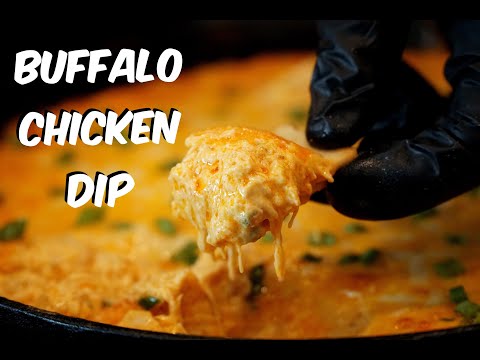
Bake for 20 minutes until the edges bubble and the top is lightly golden. Remove from oven and rest for 5 minutes before garnishing with chopped chives.Allow brief resting to stabilise the melted fat phase, ensuring a creamy, cohesive dip when served.
Recommended Equipment

Nutrition Facts
Servings 6
Serving Size 1 portion
- Amount Per Serving
- Calories 313.27kcal
- % Daily Value *
- Total Fat 24.9g39%
- Saturated Fat 11.34g57%
- Cholesterol 89.25mg30%
- Sodium 759.66mg32%
- Potassium 188.57mg6%
- Total Carbohydrate 2.92g1%
- Sugars 1.51g
- Protein 19.1g39%
- Vitamin A 667.49 IU
- Vitamin C 7.88 mg
- Calcium 159.25 mg
- Iron 0.61 mg
- Vitamin D 0.16 mcg
- Vitamin E 0.82 mg
- Vitamin K 16.26 mcg
- Thiamin 0.05 mg
- Riboflavin 0.21 mg
- Niacin 5.79 mg
- Vitamin B6 0.31 mg
- Folate 9.97 mcg
- Vitamin B12 0.4 mcg
- Pantothenic Acid 0.69 mg
- Phosphorus 212.43 mg
- Magnesium 20.93 mg
- Zinc 1.24 mg
- Selenium 19.41 mcg
- Copper 0.04 mg
- Manganese 0.04 mg
* Nutrition information is provided as an estimate per serving and may vary depending on the ingredients, brands, substitutions, portion sizes and preparation methods used. Percent Daily Values (%DV) are based on U.S. FDA reference values for a 2,000-calorie diet and are intended as a general guide only. Individual nutritional needs vary. This information is not a substitute for advice from a registered dietitian or other qualified healthcare professional.
Note
Allow the dish to cool gradually before sealing. Rapid temperature shifts can create condensation, weakening texture and diluting surface flavour concentration. The resting phase supports structural stabilisation and moisture redistribution. Cutting or serving too early may compromise internal balance. Dairy-based elements may thicken further upon cooling. Reheat gently to prevent separation or grainy texture. In larger batches, maintain even heat distribution and avoid overcrowding during reheating to preserve structural integrity. Slow-cooked preparations often improve after several hours or overnight refrigeration as aromatic compounds integrate more fully. Texture refinement often occurs naturally during resting due to internal moisture redistribution.


