
Recipe Snapshot
Recipe at a Glance
Key timing, yield and style details before you start cooking.
Protein Structure and Acid Balance
Red snapper’s lean muscle fibres require controlled acid exposure to prevent premature denaturation. The inclusion of tomatoes and lime juice introduces acidity that firms the flesh while enhancing flavour penetration. The balance between salt and acid determines the final flake integrity; excessive acid before heat application can toughen the protein. Aromatic vegetables such as onion and bell pepper contribute natural sugars that offset acidity, stabilising the stew’s base. Oil selection impacts mouthfeel and flavour transfer—neutral oil ensures clean heat conduction without masking the fish’s natural sweetness. Proper sequencing of aromatics before liquid addition prevents raw acidity and builds foundational depth.
Thermal Regulation and Moisture Retention
Stewing demands consistent low-to-medium heat to maintain gentle convection currents that circulate flavour without mechanical agitation. Rapid boiling risks breaking down the fish structure and emulsifying surface fats into the broth. Controlled simmering around 90–95°C allows collagen in the skin and connective tissue to soften gradually, enriching the liquid without clouding. Covering the pot partially regulates evaporation, maintaining concentration without over-reduction. Timing is critical—snapper fillets require only brief exposure once the base is stabilised, as residual heat completes cooking through carryover. Monitoring liquid level ensures even submersion and prevents uneven seasoning distribution.
Transformation and Flavour Integration
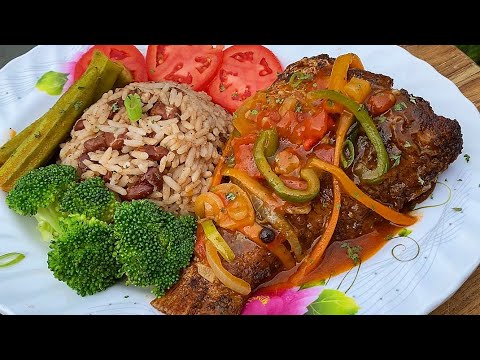
During stewing, the tomato base undergoes reduction and natural pectin release, thickening the sauce while concentrating umami compounds. The fish releases gelatin and amino acids that integrate with the vegetable matrix, producing a cohesive mouthfeel. Capsicum and allium components soften, releasing sugars that balance the acidity of the tomatoes. The final texture should be cohesive but not homogeneous—the fish must retain defined flakes while the sauce achieves a glossy, lightly viscous consistency. The transformation from raw to stewed phase depends on controlled reduction rather than aggressive evaporation, ensuring clarity and depth without bitterness.
Workflow Efficiency and Sequencing Logic
Efficient mise en place reduces active cooking time and prevents overexposure of the fish to heat. Preparing the aromatic base and liquid reduction before introducing the protein allows uninterrupted focus on texture control. Parallel tasks such as chopping herbs and preparing garnish can occur during the sauce simmer phase. Avoiding unnecessary stirring once the fish is added preserves structure. Using preheated liquid prevents thermal shock that can cause the fish to seize. Maintaining a clean work surface and organised ingredient layout ensures smooth transitions between sautéing, simmering, and finishing without temperature fluctuation.
Regional Technique Lineage
Stewed red snapper reflects Caribbean and West African coastal cooking traditions where lean fish are simmered in aromatic tomato-based sauces. The method evolved from indigenous fish stews adapted through colonial trade introducing tomatoes, peppers, and alliums. Regional variants differ in spice intensity and fat medium—some employ palm oil for deeper colour and flavour, while others use neutral oils for clarity. The technique prioritises moisture preservation and balanced acidity, aligning with tropical ingredient availability and open-fire cooking heritage. Modern adaptations maintain the same structural logic but refine reduction control and presentation precision.
Recipe Education
Learn the Skills Behind This Recipe
Build confidence with cooking skills, techniques, and tools used in this recipe.
How to Sauté Properly
Master fast cooking, pan heat, and ingredient timing for better texture.
Recommended for the saute method used in this recipe.
Simmer vs Boil
Learn when to simmer, when to boil, and how each affects recipe results.
Recommended for the simmer method used in this recipe.
Cookware Guide
Learn which pots and pans work best for frying, sautéing, simmering, and roasting.
Helpful when using frying pan during preparation.
Cups to Grams
Convert cup measurements more accurately to improve recipe consistency.
Helpful when using measuring cups during preparation.
Teaspoons to Grams
Use small-measure conversions more accurately in cooking and baking.
Helpful when using measuring spoons during preparation.
Cooking Basics
Build safer knife preparation, heat control, timing, and everyday kitchen confidence.
Helpful when using chef knife during preparation.


Stewed Red Snapper
Description
Red snapper’s lean muscle fibres require controlled acid exposure to prevent premature denaturation. The inclusion of tomatoes and lime juice introduces acidity that firms the flesh while enhancing flavour penetration. The balance between salt and acid determines the final flake integrity; excessive acid before heat application can toughen the protein. Aromatic vegetables such as onion and bell pepper contribute natural sugars that offset acidity, stabilising the stew’s base. Oil selection impacts mouthfeel and flavour transfer—neutral oil ensures clean heat conduction without masking the fish’s natural sweetness. Proper sequencing of aromatics before liquid addition prevents raw acidity and builds foundational depth.
Ingredients
Ingredients
Instructions
Instructions
Step 1
Pat the red snapper fillets dry with paper towels and season both sides with salt and black pepper. Set aside at room temperature for 10 minutes to equalise surface moisture.Allowing the fish to temper slightly before cooking ensures even heat penetration and prevents sudden contraction of the flesh.Step 2
Heat vegetable oil in a Saute Pan over medium heat. Add onion, red bell pepper, and garlic. Sauté for 4–5 minutes until softened and lightly translucent.Maintain moderate heat to sweat aromatics without browning; excessive colour can introduce bitterness into the stew base.Step 3
Stir in crushed tomatoes, paprika, and chili flakes. Cook for 6–8 minutes, allowing the mixture to reduce slightly and the raw tomato acidity to mellow.Reduction at this stage concentrates flavour and stabilises the sauce before liquid addition, preventing dilution later.Step 4
Pour in fish stock and bring to a gentle simmer. Adjust seasoning with salt and black pepper. Simmer uncovered for 10 minutes to achieve a cohesive sauce consistency.Keep the simmer below boiling to preserve clarity and prevent emulsification of surface fats into the liquid.Step 5
Nestle the seasoned red snapper pieces into the simmering sauce. Cover partially and cook for 8–10 minutes, turning once carefully with a Fish Spatula until the fish flakes easily.Use minimal handling once the fish is added; structural integrity depends on gentle convection rather than agitation.Step 6
Remove from heat, squeeze lime juice over the stew, and sprinkle with chopped parsley. Allow to rest for 5 minutes before serving to stabilise flavours.Acid addition off heat prevents curdling and maintains brightness while resting allows flavour diffusion through the sauce.
Recommended Equipment

Nutrition Facts
Servings 4
Serving Size 1 portion
- Amount Per Serving
- Calories 320.06kcal
- % Daily Value *
- Total Fat 10.47g17%
- Saturated Fat 1.8g9%
- Cholesterol 74mg25%
- Sodium 928.27mg39%
- Potassium 1289.08mg37%
- Total Carbohydrate 11.69g4%
- Dietary Fiber 3.21g13%
- Sugars 5.51g
- Protein 44.25g89%
- Vitamin A 2556.8 IU
- Vitamin C 65.92 mg
- Calcium 117.85 mg
- Iron 1.43 mg
- Vitamin D 20.39 mcg
- Vitamin E 3.92 mg
- Vitamin K 64.56 mcg
- Thiamin 0.17 mg
- Riboflavin 0.09 mg
- Niacin 2.54 mg
- Vitamin B6 1.06 mg
- Folate 52.07 mcg
- Vitamin B12 6.06 mcg
- Pantothenic Acid 1.8 mg
- Phosphorus 465.71 mg
- Magnesium 86.41 mg
- Zinc 1.19 mg
- Selenium 77.5 mcg
- Copper 0.19 mg
- Manganese 0.28 mg
* Nutrition information is provided as an estimate per serving and may vary depending on the ingredients, brands, substitutions, portion sizes and preparation methods used. Percent Daily Values (%DV) are based on U.S. FDA reference values for a 2,000-calorie diet and are intended as a general guide only. Individual nutritional needs vary. This information is not a substitute for advice from a registered dietitian or other qualified healthcare professional.
Note
Allow the dish to cool gradually before sealing. Rapid temperature shifts can create condensation, weakening texture and diluting surface flavour concentration. The resting phase supports structural stabilisation and moisture redistribution. Cutting or serving too early may compromise internal balance. Spice intensity can deepen over time as volatile compounds settle. Taste and adjust seasoning after resting. Slow-cooked preparations often improve after several hours or overnight refrigeration as aromatic compounds integrate more fully. Acid balance may soften slightly over time; a final adjustment before serving restores clarity.


