
Recipe Snapshot
Recipe at a Glance
Key timing, yield and style details before you start cooking.
Protein and Starch Integration Control
Firm tofu provides a stable protein matrix that withstands pan-frying without disintegration when surface moisture is properly managed. Pressing removes excess water, allowing starch from the rice to remain distinct rather than absorbing released tofu liquid. The rice’s gelatinised starch forms a neutral base that balances the tofu’s mild umami and the vegetables’ natural sugars. Soy sauce and rice vinegar introduce controlled salinity and acidity, enhancing protein flavour penetration while maintaining textural contrast. Sesame oil contributes aromatic fat that coats rice grains, preventing clumping and ensuring even flavour distribution across the bowl.
Thermal Management and Moisture Retention
Heat staging is critical: tofu requires medium-high heat to achieve a golden crust through Maillard reaction without internal drying. Vegetables demand sequential sautéing to prevent steam accumulation that would inhibit browning. Rice should be reheated over low heat or freshly cooked and rested briefly to release excess steam before assembly. Carryover heat from tofu and vegetables completes final warming of the bowl without overcooking delicate greens. Controlled oil quantity prevents sogginess while maintaining lubrication for even heat transfer across the sauté surface.
Textural and Flavour Transformation
During cooking, tofu transitions from soft to crisp-edged as surface proteins denature and moisture evaporates. Vegetables undergo partial caramelisation, concentrating natural sugars and volatile compounds. The sauce reduction phase binds soy, vinegar, and sesame oil into a light glaze that adheres to both tofu and rice, creating cohesive flavour layering. The final bowl achieves structural contrast: firm tofu, tender-crisp vegetables, and yielding rice. Proper sequencing ensures each component retains its distinct identity while contributing to overall umami depth and balanced mouthfeel.
Workflow Efficiency and Mise en Place Logic
Preparation efficiency depends on parallel sequencing. Press tofu first to extract moisture while rice cooks. Slice vegetables uniformly to ensure even sautéing. Pre-mix sauce components to streamline wok transitions and avoid overcooking. Maintain a clean station to shift quickly between tofu searing and vegetable sautéing without cross-contamination. This workflow minimises downtime and ensures all components reach assembly temperature simultaneously, preserving textural integrity and service readiness.
Regional Technique Lineage and Adaptation
This bowl structure draws from East Asian rice-based meal formats, particularly Japanese donburi and Korean bibimbap frameworks, where rice serves as a neutral carrier for seasoned proteins and vegetables. The tofu substitution aligns with modern plant-based adaptations while retaining the sautéing and glazing techniques typical of soy-based dishes. The balance of soy, vinegar, and sesame oil reflects pan-Asian seasoning logic, adapted for contemporary efficiency without compromising the foundational flavour architecture of its regional predecessors.
Recipe Education
Learn the Skills Behind This Recipe
Build confidence with cooking skills, techniques, and tools used in this recipe.
How to Fry Properly
Understand pan heat, oil temperature, and how to get better frying results.
Recommended for the fry method used in this recipe.
How to Sauté Properly
Master fast cooking, pan heat, and ingredient timing for better texture.
Recommended for the saute method used in this recipe.
Cookware Guide
Learn which pots and pans work best for frying, sautéing, simmering, and roasting.
Helpful when using saucepan during preparation.
Cups to Grams
Convert cup measurements more accurately to improve recipe consistency.
Helpful when using measuring cups during preparation.
Teaspoons to Grams
Use small-measure conversions more accurately in cooking and baking.
Helpful when using measuring spoons during preparation.
Baking Tools Guide
Understand essential tools for mixing, measuring, and preparing recipes.
Helpful when using mixing bowl during preparation.


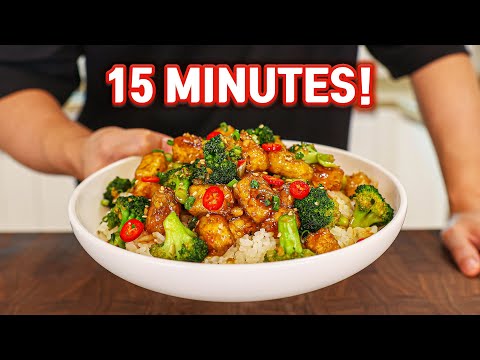
Tofu Rice Bowl with Vegetables
Description
Firm tofu provides a stable protein matrix that withstands pan-frying without disintegration when surface moisture is properly managed. Pressing removes excess water, allowing starch from the rice to remain distinct rather than absorbing released tofu liquid. The rice’s gelatinised starch forms a neutral base that balances the tofu’s mild umami and the vegetables’ natural sugars. Soy sauce and rice vinegar introduce controlled salinity and acidity, enhancing protein flavour penetration while maintaining textural contrast. Sesame oil contributes aromatic fat that coats rice grains, preventing clumping and ensuring even flavour distribution across the bowl.
Ingredients
Ingredients
Instructions
Instructions
Step 1
Cook jasmine rice in a Saucepan with 400 ml water over medium heat until tender, about 12 minutes. Remove from heat, cover, and rest for 5 minutes to allow steam absorption.Keep the lid closed during resting to stabilise starch gelatinisation and prevent surface drying.Step 2
Cut pressed firm tofu into 2 cm cubes. Heat vegetable oil in a Non-stick Skillet over medium-high heat and sear tofu on all sides until golden brown, about 6–8 minutes.Rotate tofu gently using Tongs to avoid tearing; crisp edges form only when surface moisture is fully evaporated.Step 3
Remove tofu and set aside. In the same pan, add ginger and garlic; sauté for 30 seconds until aromatic. Add carrot, broccoli, and red bell pepper; cook for 3–4 minutes until tender-crisp.Maintain high heat to encourage light browning rather than steaming; avoid overcrowding the pan.Step 4
Combine soy sauce, rice vinegar, and sesame oil in a small bowl. Return tofu to the pan, pour sauce mixture, and toss to coat evenly. Cook for 1–2 minutes until the glaze lightly thickens.Reduce heat slightly once sauce is added to prevent rapid evaporation and uneven coating.Step 5
Fluff rice with a Fork and divide into bowls. Top with tofu and vegetables. Sprinkle sesame seeds and season with salt and black pepper to taste before serving.Assemble immediately while components are hot to maintain cohesive temperature and aroma balance.
Recommended Equipment

Nutrition Facts
Servings 2
Serving Size 1 portion
- Amount Per Serving
- Calories 673.6kcal
- % Daily Value *
- Total Fat 21.98g34%
- Saturated Fat 3.13g16%
- Sodium 1729.21mg73%
- Potassium 526.3mg16%
- Total Carbohydrate 94.72g32%
- Dietary Fiber 6.09g25%
- Sugars 5.03g
- Protein 23.88g48%
- Vitamin A 9450.2 IU
- Vitamin C 80.04 mg
- Calcium 274.88 mg
- Iron 3.67 mg
- Vitamin E 1.89 mg
- Vitamin K 73.23 mcg
- Thiamin 0.17 mg
- Riboflavin 0.18 mg
- Niacin 3.08 mg
- Vitamin B6 0.44 mg
- Folate 63.33 mcg
- Pantothenic Acid 1.57 mg
- Phosphorus 193.56 mg
- Magnesium 53.35 mg
- Zinc 1.62 mg
- Selenium 17.11 mcg
- Copper 0.34 mg
- Manganese 1.46 mg
* Nutrition information is provided as an estimate per serving and may vary depending on the ingredients, brands, substitutions, portion sizes and preparation methods used. Percent Daily Values (%DV) are based on U.S. FDA reference values for a 2,000-calorie diet and are intended as a general guide only. Individual nutritional needs vary. This information is not a substitute for advice from a registered dietitian or other qualified healthcare professional.
Note
For best structural retention, cool uncovered briefly before storage to prevent trapped steam from softening exterior crust or caramelised surfaces. The resting phase supports structural stabilisation and moisture redistribution. Cutting or serving too early may compromise internal balance. Grains and starches continue absorbing moisture after cooking. Adjust liquid slightly when reheating to restore optimal consistency. When reheating crisp components, use dry heat rather than microwave methods to maintain exterior texture. Acid balance may soften slightly over time; a final adjustment before serving restores clarity.


