
Recipe Snapshot
Recipe at a Glance
Key timing, yield and style details before you start cooking.
Aromatic Balance and Acid-Salt Calibration
Tom Yum Kai relies on a controlled equilibrium between acid, salt, and aromatic oils. Lemongrass, galangal, and kaffir lime leaves release volatile compounds that define the soup’s aromatic base. Fish sauce introduces salinity and umami depth, while lime juice delivers sharp acidity that must be added off heat to prevent bitterness. Coconut milk is omitted in this clear variant to maintain a clean broth structure. The sequencing of aromatics before protein ensures that essential oils infuse the liquid without clouding. Proper hydration of the broth base is critical; excessive reduction will concentrate salt beyond balance, while under-reduction yields a flat, diluted profile.
Heat Management and Extraction Control
The soup’s clarity depends on precise simmering rather than boiling. High heat causes protein scum and emulsified fat to cloud the broth. Maintaining a gentle simmer around 90–95°C allows the aromatics to release flavour compounds without breaking down structurally. Chicken pieces must be added after the aromatics have steeped sufficiently to avoid overcooking. Carryover heat continues to cook the chicken once removed from direct heat, so timing is critical. Evaporation must be monitored; if the liquid reduces too quickly, controlled water addition restores volume without compromising flavour intensity.
Transformation Through Layered Infusion
During cooking, the broth transitions from neutral to complex through sequential infusion. Lemongrass and galangal contribute volatile citrus and pine notes early, while chili and fish sauce introduce heat and umami mid-phase. The final addition of lime juice and fresh herbs provides brightness and volatile lift. The transformation is not through thickening or reduction but through controlled extraction and layering. The chicken’s proteins denature gently, yielding tender texture without shredding. The soup’s final clarity and aroma depend on disciplined timing and minimal agitation during simmering.
Workflow Efficiency and Mise en Place Logic
Efficient execution requires pre-portioning aromatics and proteins. Lemongrass, galangal, and kaffir lime leaves should be pre-cut and grouped for rapid addition. Broth can be preheated in a separate saucepan to reduce lag time. Parallel preparation of garnish—cilantro and chili slices—prevents service delay. Avoid bottlenecks by maintaining a clean simmering zone and a separate cutting board for herbs to prevent cross-contamination. The workflow should allow for immediate seasoning adjustment at the end, as lime juice and fish sauce calibration must occur while the broth remains hot but not boiling.
Regional Technique Lineage and Adaptation
Tom Yum Kai originates from central Thailand, where clear soups balance heat, sourness, and herbal intensity. The technique evolved from rural broths designed to highlight fresh aromatics available year-round. Lemongrass and galangal, native to Southeast Asia, form the structural backbone of the dish. Modern adaptations outside Thailand often increase chili or add coconut milk, but the authentic clear version maintains transparency and sharp acidity. The method reflects Thai culinary logic—layered infusion, controlled heat, and balance of sensory contrasts—demonstrating regional precision rather than improvisation.
Recipe Education
Learn the Skills Behind This Recipe
Build confidence with cooking skills, techniques, and tools used in this recipe.
How to Boil Properly
Learn boiling times, temperature control, and how to avoid overcooking.
Recommended for the boil method used in this recipe.
Simmer vs Boil
Learn when to simmer, when to boil, and how each affects recipe results.
Recommended for the simmer method used in this recipe.
Cookware Guide
Learn which pots and pans work best for frying, sautéing, simmering, and roasting.
Helpful when using saucepan during preparation.
Baking Tools Guide
Understand essential tools for mixing, measuring, and preparing recipes.
Helpful when using mixing bowl during preparation.
Cooking Basics
Build safer knife preparation, heat control, timing, and everyday kitchen confidence.
Helpful when using chef knife during preparation.


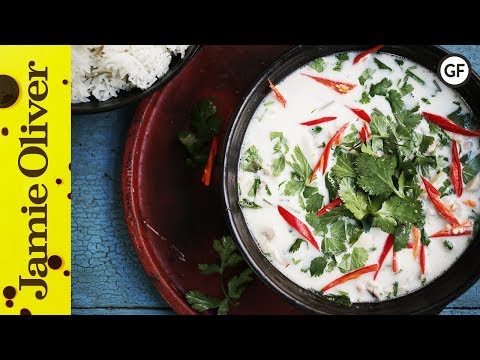
Tom Yum Kai (Spicy Chicken Soup with Lemongrass)
Description
Tom Yum Kai relies on a controlled equilibrium between acid, salt, and aromatic oils. Lemongrass, galangal, and kaffir lime leaves release volatile compounds that define the soup’s aromatic base. Fish sauce introduces salinity and umami depth, while lime juice delivers sharp acidity that must be added off heat to prevent bitterness. Coconut milk is omitted in this clear variant to maintain a clean broth structure. The sequencing of aromatics before protein ensures that essential oils infuse the liquid without clouding. Proper hydration of the broth base is critical; excessive reduction will concentrate salt beyond balance, while under-reduction yields a flat, diluted profile.
Ingredients
Ingredients
Instructions
Instructions
Step 1
In a Saucepan, bring chicken stock to a gentle simmer over medium heat. Add lemongrass, galangal, kaffir lime leaves, and Thai bird’s eye chili. Simmer for 5–7 minutes to extract aromatics.Avoid boiling; excessive agitation releases bitterness from lemongrass and clouds the broth.Step 2
Add sliced chicken breast to the simmering broth. Cook gently for 5–6 minutes until opaque and tender, ensuring the liquid remains below a rolling boil.Monitor temperature with a Thermometer(Meat); maintain around 90–95°C for even protein denaturation.Step 3
Introduce mushrooms and continue simmering for 3–4 minutes until softened but still intact. Skim any surface foam with a Spider / Skimmer to maintain clarity.Removing surface scum early prevents emulsified fat from dulling the broth’s transparency.Step 4
Season with fish sauce and sugar. Stir gently to dissolve, then remove from heat. Add lime juice last to preserve its volatile acidity.Adding lime juice off heat prevents bitterness and maintains bright, clean acidity.Step 5
Ladle soup into bowls and garnish with chopped cilantro. Serve immediately while hot.Hold garnishes until service to prevent herb oxidation and aroma loss.
Recommended Equipment

Nutrition Facts
Servings 4
Serving Size 1 portion
- Amount Per Serving
- Calories 204.05kcal
- % Daily Value *
- Total Fat 5.18g8%
- Saturated Fat 1.26g7%
- Cholesterol 55.61mg19%
- Sodium 1159.27mg49%
- Potassium 730.35mg21%
- Total Carbohydrate 14.67g5%
- Dietary Fiber 0.37g2%
- Sugars 6.1g
- Protein 23.91g48%
- Vitamin A 221.77 IU
- Vitamin C 8.73 mg
- Calcium 23.86 mg
- Iron 1.69 mg
- Vitamin E 0.31 mg
- Vitamin K 8.67 mcg
- Thiamin 0.17 mg
- Riboflavin 0.41 mg
- Niacin 13.08 mg
- Vitamin B6 0.79 mg
- Folate 32.79 mcg
- Vitamin B12 0.2 mcg
- Pantothenic Acid 1.48 mg
- Phosphorus 258.62 mg
- Magnesium 53.77 mg
- Zinc 1.12 mg
- Selenium 32.82 mcg
- Copper 0.27 mg
- Manganese 0.45 mg
* Nutrition information is provided as an estimate per serving and may vary depending on the ingredients, brands, substitutions, portion sizes and preparation methods used. Percent Daily Values (%DV) are based on U.S. FDA reference values for a 2,000-calorie diet and are intended as a general guide only. Individual nutritional needs vary. This information is not a substitute for advice from a registered dietitian or other qualified healthcare professional.
Note
Allow the dish to cool gradually before sealing. Rapid temperature shifts can create condensation, weakening texture and diluting surface flavour concentration. Slow-cooked preparations often improve after several hours or overnight refrigeration as aromatic compounds integrate more fully. Texture refinement often occurs naturally during resting due to internal moisture redistribution.


