
Recipe Snapshot
Recipe at a Glance
Key timing, yield and style details before you start cooking.
Aromatic Balance and Acid-Salt Regulation
Tom Yum Pla Krapong relies on a calibrated interplay between acid, salt, and aromatic oils. Lime juice and lemongrass provide volatile acidity that defines the broth’s brightness, while fish sauce introduces umami depth and salinity. Galangal and kaffir lime leaves contribute essential oils that bind with the broth’s surface fats, preventing flatness. The sea bass protein releases mild gelatin during simmering, enriching mouthfeel without heaviness. Correct sequencing of aromatics before liquid addition ensures volatile compounds are captured in the fat phase, stabilising aroma retention through the cooking process. Over-acidification early in the cook can toughen fish protein, so lime juice is always added post-heat to maintain clarity and tender texture.
Heat Management and Broth Clarity Control
Temperature staging is critical to preserve clarity and aromatic precision. The broth should reach a gentle simmer, never a rolling boil, to avoid emulsifying fish oils into the liquid. Lemongrass, galangal, and kaffir lime leaves are steeped at sub-boiling temperatures to extract essential oils without bitterness. Sea bass fillets are introduced only once the broth stabilises at a controlled simmer around 90°C, ensuring even protein coagulation. Excessive heat will cause albumin release and clouding. Evaporation is managed through partial lid coverage, maintaining concentration without over-reduction. The final broth must remain translucent with visible oil droplets suspended evenly across the surface.
Transformation Through Simmering and Layered Extraction
The cooking process transitions from aromatic infusion to protein integration. Initial simmering extracts flavour compounds from lemongrass and galangal, forming the broth’s structural base. Once fish is added, gentle heat denatures muscle proteins, creating a delicate flake structure. The addition of chili paste and evaporated milk (optional regional variant) introduces emulsified fat that rounds acidity and enhances mouthfeel. The final lime juice addition rebalances the pH, brightening the broth and tightening flavour perception. The transformation is complete when the broth achieves a balanced tension between sour, salty, spicy, and aromatic elements without any dominant note.
Workflow Efficiency and Mise en Place Sequencing
Efficient execution depends on precise mise en place. Aromatics should be pre-cut and grouped by infusion stage: hard aromatics (lemongrass, galangal) first, followed by volatile leaves and chilies. Fish fillets must be portioned and held chilled until the broth base is ready. Lime juice and herbs are prepped last to avoid oxidation. Parallelisation is possible by heating the stock while preparing aromatics. Maintaining a clean station prevents cross-contamination between raw fish and finishing herbs. Timing coordination ensures that fish is cooked immediately before service, preserving texture and preventing over-flaking during holding.
Regional Technique Lineage and Adaptation
Tom Yum Pla Krapong originates from central Thai culinary practice, where freshwater and coastal fish are used interchangeably depending on availability. The method evolved from traditional Tom Yum Goong, substituting shrimp with firm white fish to suit regional catch. The inclusion of evaporated milk is a modern Bangkok adaptation, softening the broth’s acidity for urban palates. The core technique—layered aromatic infusion followed by controlled protein poaching—remains consistent across Thai regions. This dish exemplifies the Thai approach to balancing sour, salty, spicy, and aromatic dimensions through precise sequencing rather than ingredient excess.
Recipe Education
Learn the Skills Behind This Recipe
Build confidence with cooking skills, techniques, and tools used in this recipe.
How to Boil Properly
Learn boiling times, temperature control, and how to avoid overcooking.
Recommended for the boil method used in this recipe.
How to Sauté Properly
Master fast cooking, pan heat, and ingredient timing for better texture.
Recommended for the saute method used in this recipe.
Cookware Guide
Learn which pots and pans work best for frying, sautéing, simmering, and roasting.
Helpful when using saucepan during preparation.
Teaspoons to Grams
Use small-measure conversions more accurately in cooking and baking.
Helpful when using measuring spoons during preparation.
Simmer vs Boil
Learn when to simmer, when to boil, and how each affects recipe results.
Recommended for the simmer method used in this recipe.
Cooking Basics
Build safer knife preparation, heat control, timing, and everyday kitchen confidence.
Helpful when using chef knife during preparation.


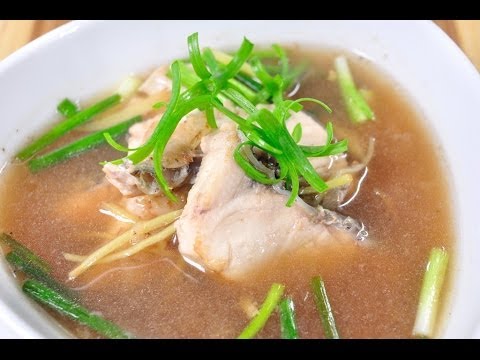
Tom Yum Pla Krapong (Sea Bass Soup)
Description
Tom Yum Pla Krapong relies on a calibrated interplay between acid, salt, and aromatic oils. Lime juice and lemongrass provide volatile acidity that defines the broth’s brightness, while fish sauce introduces umami depth and salinity. Galangal and kaffir lime leaves contribute essential oils that bind with the broth’s surface fats, preventing flatness. The sea bass protein releases mild gelatin during simmering, enriching mouthfeel without heaviness. Correct sequencing of aromatics before liquid addition ensures volatile compounds are captured in the fat phase, stabilising aroma retention through the cooking process. Over-acidification early in the cook can toughen fish protein, so lime juice is always added post-heat to maintain clarity and tender texture.
Ingredients
Ingredients
Instructions
Instructions
Step 1
Prepare aromatics by cutting lemongrass into 5 cm sections, slicing galangal, and tearing kaffir lime leaves. Crush chilies lightly to release oils.Use the flat side of a Chef Knife to bruise lemongrass evenly without shredding fibres, ensuring clean infusion.Step 2
In a Saucepan, bring water to a gentle simmer over medium heat. Add lemongrass, galangal, and kaffir lime leaves. Simmer for 8 minutes to extract aroma.Maintain temperature below boiling to prevent volatile oil loss and bitterness from over-extraction.Step 3
Add mushrooms and Thai chili paste to the broth. Stir with a Wooden Spoon until paste dissolves completely and colour deepens.Fully dissolve chili paste before adding protein to avoid uneven flavour pockets in the broth.Step 4
Add fish sauce and sugar, then gently slide in sea bass pieces. Simmer for 4–5 minutes until fish turns opaque and flakes easily.Avoid stirring once fish is added; instead, tilt the Saucepan gently to circulate liquid and prevent breakage.Step 5
Reduce heat to low, add evaporated milk if using, and stir gently to combine. Remove from heat and immediately add lime juice.Always add lime juice off heat to preserve acidity and prevent curdling of milk or protein tightening.Step 6
Ladle soup into bowls and garnish with chopped coriander before service.Serve immediately while aromatic oils remain suspended; holding too long causes flavour flattening.
Recommended Equipment

Nutrition Facts
Servings 4
Serving Size 1 portion
- Amount Per Serving
- Calories 231.66kcal
- % Daily Value *
- Total Fat 5.76g9%
- Saturated Fat 2g10%
- Cholesterol 127.72mg43%
- Sodium 1211.58mg51%
- Potassium 725.36mg21%
- Total Carbohydrate 14.15g5%
- Dietary Fiber 0.43g2%
- Sugars 7.68g
- Protein 30.56g62%
- Vitamin A 416.83 IU
- Vitamin C 11.13 mg
- Calcium 119.73 mg
- Iron 2.61 mg
- Vitamin E 0.16 mg
- Vitamin K 8.38 mcg
- Thiamin 0.2 mg
- Riboflavin 0.27 mg
- Niacin 4.74 mg
- Vitamin B6 0.57 mg
- Folate 38.86 mcg
- Vitamin B12 5.85 mcg
- Pantothenic Acid 1.72 mg
- Phosphorus 392.57 mg
- Magnesium 104.85 mg
- Zinc 1.28 mg
- Selenium 59.15 mcg
- Copper 0.24 mg
- Manganese 0.67 mg
* Nutrition information is provided as an estimate per serving and may vary depending on the ingredients, brands, substitutions, portion sizes and preparation methods used. Percent Daily Values (%DV) are based on U.S. FDA reference values for a 2,000-calorie diet and are intended as a general guide only. Individual nutritional needs vary. This information is not a substitute for advice from a registered dietitian or other qualified healthcare professional.
Note
Allow the dish to cool gradually before sealing. Rapid temperature shifts can create condensation, weakening texture and diluting surface flavour concentration. Dairy-based elements may thicken further upon cooling. Reheat gently to prevent separation or grainy texture. Slow-cooked preparations often improve after several hours or overnight refrigeration as aromatic compounds integrate more fully. Monitor seasoning levels after storage, as salt perception can shift once chilled.


