
Recipe Snapshot
Recipe at a Glance
Key timing, yield and style details before you start cooking.
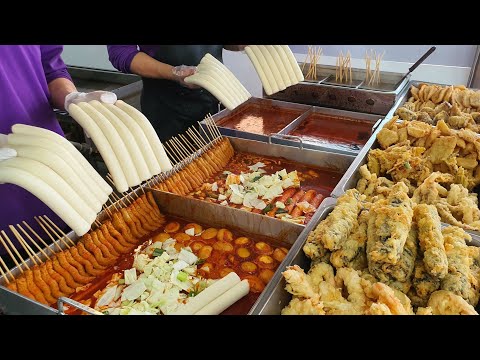
Tteokbokki is a beloved Korean street food that tantalizes the taste buds with its spicy, sweet, and savory flavors, featuring chewy rice cakes simmered in a rich gochujang sauce. This dish is not just a quick snack; it is a vibrant culinary experience that embodies the warmth and comfort of Korean cuisine.
Origins and Cultural Significance
Tteokbokki’s history dates back to the late 19th century, where it originated as a royal court dish known as “eomuk-tteok.” Initially, it was a more elaborate preparation featuring fish cakes and various vegetables. Over the years, as street food culture blossomed in Korea, tteokbokki evolved into the spicy, accessible version we adore today. It has become a staple in food stalls and markets, often enjoyed by students and families alike. The dish carries a nostalgic charm, often associated with childhood memories of bustling street corners and late-night cravings.
Unique Ingredients and Flavors
At the heart of tteokbokki is the chewy, glutinous rice cake—tteok—that gives the dish its signature texture. The delightful chewiness paired with the bold flavor of gochujang, a fermented red chili paste, creates a harmonious balance that dances on the palate. The addition of fish cakes, scallions, and hard-boiled eggs enhances the dish’s complexity, each bite bursting with a medley of flavors. The cooking technique is equally important; simmering the ingredients allows them to meld together, creating a sauce that clings beautifully to the rice cakes while infusing them with spice and depth.
This recipe is not just about following steps; it’s about understanding the delicate interplay of flavors and textures that make tteokbokki an unforgettable experience. As you prepare this dish, you’ll find that every stir and simmer brings you closer to mastering a piece of Korean culinary heritage that is both simple and profound.
Recipe Education
Learn the Skills Behind This Recipe
Build confidence with cooking skills, techniques, and tools used in this recipe.
How to Boil Properly
Learn boiling times, temperature control, and how to avoid overcooking.
Recommended for the boil method used in this recipe.
Simmer vs Boil
Learn when to simmer, when to boil, and how each affects recipe results.
Recommended for the simmer method used in this recipe.
Cookware Guide
Learn which pots and pans work best for frying, sautéing, simmering, and roasting.
Helpful when using saucepan during preparation.
Baking Tools Guide
Understand essential tools for mixing, measuring, and preparing recipes.
Helpful when using mixing bowl during preparation.
Cooking Basics
Build safer knife preparation, heat control, timing, and everyday kitchen confidence.
Helpful when using chef knife during preparation.


Tteokbokki
Description
Tteokbokki is a beloved Korean street food that combines chewy rice cakes with a spicy, savory sauce, creating a dish that's both comforting and exhilarating. Ideal for any occasion.
Ingredients
Tteokbokki Ingredients
Instructions
Preparing the Ingredients
Soak the Rice Cakes
In a bowl, soak the rice cakes in warm water for about 30 minutes to soften them. This step is crucial for achieving the perfect chewy texture.If you're using frozen rice cakes, there's no need to thaw them; just soak them directly.Prepare the Sauce
In a separate bowl, mix together gochujang (Korean red chili paste), gochugaru (Korean red chili flakes), soy sauce, sugar, and minced garlic. Adjust the spice level according to your preference.Taste the sauce before adding it to the dish; it should have a balance of sweet and spicy.Chop the Vegetables
Finely chop the green onions, and slice the fish cakes into bite-sized pieces. If you’re adding other vegetables, such as cabbage or carrots, slice them thinly for even cooking.Feel free to use any vegetables you have on hand; mushrooms also add great flavor!
Cooking the Tteokbokki
Combine Ingredients in a Pan
In a large skillet or wok, combine the soaked rice cakes, the prepared sauce, and 1 to 2 cups of water, depending on your desired sauce consistency. Bring the mixture to a boil over medium-high heat.Stir gently to ensure the rice cakes are well coated with the sauce.Simmer and Stir
Once boiling, reduce the heat to medium-low and let it simmer for about 10-15 minutes, stirring occasionally until the rice cakes are tender and the sauce thickens.If the sauce gets too thick, you can add a splash more water to maintain the desired consistency.Add Fish Cakes and Vegetables
Add the sliced fish cakes and any additional vegetables to the pan. Continue to simmer for another 5-7 minutes until everything is heated through and well combined.Make sure the fish cakes are heated properly; they should be soft and absorb the sauce's flavor.
Finishing Touches
Garnish and Serve
Once everything is cooked, remove from heat and garnish with chopped green onions and sesame seeds. Serve hot in bowls with a side of hard-boiled eggs if desired.For extra flair, you can drizzle a bit of sesame oil before serving.Enjoy Your Creation
Dig in and enjoy the chewy, spicy, and savory flavors of your homemade Tteokbokki! Feel free to share with friends or family for a delightful snack or meal.This dish is best enjoyed immediately as it can lose its texture if left to sit too long.
Equipment

Nutrition Facts
Servings 4
- Amount Per Serving
- Calories 509.53kcal
- % Daily Value *
- Total Fat 12.46g20%
- Saturated Fat 2.69g14%
- Cholesterol 41.67mg14%
- Sodium 543.79mg23%
- Potassium 450.46mg13%
- Total Carbohydrate 90.31g31%
- Dietary Fiber 6.43g26%
- Sugars 17.8g
- Protein 11.22g23%
- Vitamin A 2510.71 IU
- Vitamin C 1.26 mg
- Calcium 96.31 mg
- Iron 3.46 mg
- Vitamin D 0.22 mcg
- Vitamin E 4.22 mg
- Vitamin K 24.72 mcg
- Thiamin 0.15 mg
- Riboflavin 0.35 mg
- Niacin 7.57 mg
- Vitamin B6 0.32 mg
- Folate 42.06 mcg
- Vitamin B12 0.13 mcg
- Pantothenic Acid 1.08 mg
- Phosphorus 358.73 mg
- Magnesium 119.49 mg
- Zinc 2.9 mg
- Selenium 28.42 mcg
- Copper 0.46 mg
- Manganese 3.04 mg
* Nutrition information is provided as an estimate per serving and may vary depending on the ingredients, brands, substitutions, portion sizes and preparation methods used. Percent Daily Values (%DV) are based on U.S. FDA reference values for a 2,000-calorie diet and are intended as a general guide only. Individual nutritional needs vary. This information is not a substitute for advice from a registered dietitian or other qualified healthcare professional.
Note
- Use cylindrical rice cakes, preferably fresh or frozen, for the best texture. Soak them in warm water for about 30 minutes if using dried ones.
- Prepare a flavorful broth using anchovy stock or vegetable broth to enhance the umami profile of the dish.
- For the sauce, combine gochujang (Korean red chili paste) and gochugaru (red chili flakes) for a balanced heat, adjusting quantities based on your spice preference.
- Include fish cakes for added protein and texture; slice them into bite-sized pieces.
- Add chopped scallions towards the end of cooking for a fresh, vibrant touch.
- Consider incorporating boiled eggs for richness; they can be added during the last few minutes of cooking.
- For a touch of sweetness, a small amount of sugar or corn syrup can be included in the sauce.
- Cook the tteokbokki until the sauce thickens and clings to the rice cakes, ensuring they are evenly coated.
- Serve hot, garnished with sesame seeds or additional scallions for a pop of color and flavor.
- Pair with a chilled drink to balance the heat, such as a sweetened iced tea or a light beer.


User Reviews
This is proper comfort food. I loved the spices, there was a nice kick to it.