
Recipe Snapshot
Recipe at a Glance
Key timing, yield and style details before you start cooking.
Protein Binding and Spice Integration
The structural integrity of Tunisian mini meatballs depends on controlled protein binding through salt activation and balanced hydration. Ground beef and lamb are combined to achieve both fat flavour and moisture retention. Breadcrumbs absorb excess liquid from the onion and egg, preventing surface weeping during searing. Harissa paste introduces emulsified oil and capsaicin, which integrate into the meat matrix, enhancing aromatic depth without destabilising the bind. Cumin and coriander provide volatile oils that bloom under heat, while salt and acid from tomato later tighten the protein network, ensuring the meatballs remain tender yet cohesive within the sauce.
Heat Management and Sauce Reduction Control
Precise temperature staging is critical. The meatballs must first be seared at medium-high heat to establish a Maillard crust, locking in rendered fat and preventing leaching into the sauce. Once colour is achieved, the pan is deglazed with tomato purée and water to capture fond. The simmering phase requires moderate heat to balance evaporation and reduction; excessive heat risks splitting the tomato base or toughening the meat. Controlled simmering allows the sauce to thicken naturally through water loss and pectin concentration, while the meatballs finish cooking gently in the residual heat of the liquid.
Transformation Through Simmering and Aromatic Release
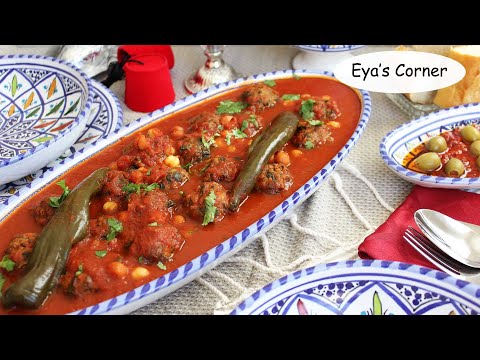
During simmering, the tomato base undergoes reduction and flavour concentration. The natural sugars caramelise slightly, offsetting acidity from the purée. The meatballs release rendered fat and gelatin, enriching the sauce and creating a stable emulsion. Aromatics such as garlic and paprika infuse the oil phase, distributing flavour evenly. The final texture should show a cohesive sauce with visible oil separation at the surface, indicating proper reduction and emulsification. The meatballs should remain moist internally, with a fine, uniform crumb structure resulting from balanced protein denaturation and moisture retention.
Workflow Efficiency and Batch Coordination
For consistent output, mise en place must separate wet and dry components. Rolling all meatballs before heating the pan prevents temperature loss and uneven browning. Using a wide Saute Pan allows sufficient surface area for searing without steaming. Deglazing immediately after searing captures maximum flavour compounds. Sauce reduction can proceed while the next batch of meatballs rests on a Sheet Rack to drain excess fat. This parallel workflow ensures efficient throughput and uniform sauce consistency across multiple batches without over-reduction or scorching.
Regional Technique Lineage and Adaptation
This preparation reflects the North African kefta lineage, where spiced minced meat is shaped into small forms and simmered in tomato-based sauces. Tunisian versions typically incorporate harissa and coriander, distinguishing them from Moroccan or Algerian variants that lean on cinnamon or preserved lemon. The tomato reduction method aligns with Mediterranean trade influences, integrating New World produce into Maghrebi spice frameworks. Modern adaptations often reduce fat content and scale portion size for mezze service, but the core technique—sear, deglaze, simmer—remains consistent with traditional Tunisian kitchen practice.
Recipe Education
Learn the Skills Behind This Recipe
Build confidence with cooking skills, techniques, and tools used in this recipe.
How to Sauté Properly
Master fast cooking, pan heat, and ingredient timing for better texture.
Recommended for the saute method used in this recipe.
Simmer vs Boil
Learn when to simmer, when to boil, and how each affects recipe results.
Recommended for the simmer method used in this recipe.
Cookware Guide
Learn which pots and pans work best for frying, sautéing, simmering, and roasting.
Helpful when using frying pan during preparation.
Teaspoons to Grams
Use small-measure conversions more accurately in cooking and baking.
Helpful when using measuring spoons during preparation.
Baking Tools Guide
Understand essential tools for mixing, measuring, and preparing recipes.
Helpful when using mixing bowl during preparation.
Cooking Basics
Build safer knife preparation, heat control, timing, and everyday kitchen confidence.
Helpful when using chef knife during preparation.


Tunisian Mini Meatballs in Tomato Sauce
Description
The structural integrity of Tunisian mini meatballs depends on controlled protein binding through salt activation and balanced hydration. Ground beef and lamb are combined to achieve both fat flavour and moisture retention. Breadcrumbs absorb excess liquid from the onion and egg, preventing surface weeping during searing. Harissa paste introduces emulsified oil and capsaicin, which integrate into the meat matrix, enhancing aromatic depth without destabilising the bind. Cumin and coriander provide volatile oils that bloom under heat, while salt and acid from tomato later tighten the protein network, ensuring the meatballs remain tender yet cohesive within the sauce.
Ingredients
Ingredients
Instructions
Instructions
Step 1
In a Mixing Bowl, combine ground beef, ground lamb, grated onion, minced garlic, egg, breadcrumbs, harissa paste, cumin, coriander, paprika, salt, and black pepper. Mix until evenly bound but not overworked.Mix by hand using gentle folding to avoid compacting proteins, which can toughen the meatballs.Step 2
Form the mixture into small balls, approximately 2.5 cm in diameter, and place them on a Sheet Rack to maintain shape before cooking.Lightly oil your hands to prevent sticking and ensure uniform surface texture across all meatballs.Step 3
Heat olive oil in a Saute Pan over medium-high heat. Sear the meatballs in batches until browned on all sides, about 4 minutes total. Remove and set aside.Avoid overcrowding the pan; excess steam will inhibit browning and cause surface moisture accumulation.Step 4
Deglaze the pan with tomato purée and water, scraping up any browned bits. Bring to a simmer, then reduce heat to medium-low.Monitor viscosity during reduction; the sauce should coat the back of a spoon without separating oil from solids.Step 5
Return the seared meatballs to the pan. Cover partially and simmer for 20 minutes, turning occasionally to ensure even cooking and sauce absorption.Maintain a gentle simmer; vigorous boiling can cause the meatballs to break or the sauce to over-reduce.Step 6
Remove from heat and rest for 5 minutes to allow flavours to stabilise. Garnish with chopped parsley before serving.Resting equalises internal moisture and allows the sauce to thicken slightly through residual heat.
Recommended Equipment

Nutrition Facts
Servings 4
Serving Size 1 portion
- Amount Per Serving
- Calories 518.41kcal
- % Daily Value *
- Total Fat 35.92g56%
- Saturated Fat 12.38g62%
- Cholesterol 130.66mg44%
- Sodium 852.48mg36%
- Potassium 889.12mg26%
- Total Carbohydrate 22.73g8%
- Dietary Fiber 3.51g15%
- Sugars 7.39g
- Protein 26.63g54%
- Vitamin A 954.82 IU
- Vitamin C 17.16 mg
- Calcium 92.39 mg
- Iron 5.6 mg
- Vitamin D 0.34 mcg
- Vitamin E 3.71 mg
- Vitamin K 53.42 mcg
- Thiamin 0.26 mg
- Riboflavin 0.42 mg
- Niacin 8.65 mg
- Vitamin B6 0.54 mg
- Folate 53.41 mcg
- Vitamin B12 2.9 mcg
- Pantothenic Acid 1.44 mg
- Phosphorus 298.51 mg
- Magnesium 62.2 mg
- Zinc 5.68 mg
- Selenium 28.44 mcg
- Copper 0.47 mg
- Manganese 0.42 mg
* Nutrition information is provided as an estimate per serving and may vary depending on the ingredients, brands, substitutions, portion sizes and preparation methods used. Percent Daily Values (%DV) are based on U.S. FDA reference values for a 2,000-calorie diet and are intended as a general guide only. Individual nutritional needs vary. This information is not a substitute for advice from a registered dietitian or other qualified healthcare professional.
Note
Allow the dish to cool gradually before sealing. Rapid temperature shifts can create condensation, weakening texture and diluting surface flavour concentration. The resting phase supports structural stabilisation and moisture redistribution. Cutting or serving too early may compromise internal balance. Spice intensity can deepen over time as volatile compounds settle. Taste and adjust seasoning after resting. Slow-cooked preparations often improve after several hours or overnight refrigeration as aromatic compounds integrate more fully. When reheating crisp components, use dry heat rather than microwave methods to maintain exterior texture. Texture refinement often occurs naturally during resting due to internal moisture redistribution.


