
Recipe Snapshot
Recipe at a Glance
Key timing, yield and style details before you start cooking.
Wholegrain mustard is a delightful condiment that elevates dishes with its robust flavor and texture. It’s a perfect blend of whole mustard seeds, vinegar, and spices, creating a tangy and slightly spicy profile that can enhance everything from sandwiches to dressings and marinades.
The Origins of Wholegrain Mustard
A Culinary Journey
Mustard has a rich history that dates back thousands of years, with roots tracing back to ancient Greece and Rome, where mustard seeds were ground and mixed with wine to create a pungent paste. Over the centuries, different cultures have embraced mustard, leading to variations in flavor and texture. Wholegrain mustard, specifically, emerged as a beloved variant in French cuisine, where it was first crafted to highlight the robust character of the seeds while maintaining a pleasing crunch. The French call it “moutarde à l’ancienne,” which translates to “mustard of the ancients,” and it embodies a rustic charm that has transcended time and borders.
Unique Ingredients and Flavors
The Heart of Wholegrain Mustard
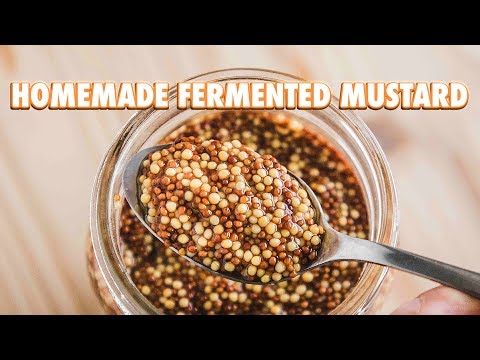
The beauty of wholegrain mustard lies in its simplicity. By using whole mustard seeds—both yellow and brown—you create a symphony of textures and flavors. The yellow seeds provide a milder, sweeter taste, while the brown seeds pack a punch of heat. Combine these with quality vinegar, such as white wine or apple cider vinegar, and a touch of salt, and you’ve got a base that’s not just flavorful but also versatile. The tangy acidity of the vinegar balances the heat of the mustard, creating a harmonious blend that can complement a myriad of dishes.
Cooking Techniques
Crafting wholegrain mustard is not just about mixing ingredients; it’s an art form. The seeds can be soaked in vinegar to soften them and enhance their flavor, leading to a more complex taste. Some might choose to grind the mustard seeds lightly, allowing for a bit of texture while still enjoying the whole seeds’ satisfying crunch. The process is straightforward, yet it reveals the beauty of cooking—transforming simple, humble ingredients into something extraordinary. Once you make your own wholegrain mustard, you’ll find it adds a personal touch to meals, elevating everyday dishes into something special.
Recipe Education
Learn the Skills Behind This Recipe
Build confidence with cooking skills, techniques, and tools used in this recipe.
Teaspoons to Grams
Use small-measure conversions more accurately in cooking and baking.
Helpful when using measuring spoons during preparation.
Baking Tools Guide
Understand essential tools for mixing, measuring, and preparing recipes.
Helpful when using mixing bowl during preparation.
Cooking Basics
Build confidence with core skills and beginner-friendly cooking techniques.
Supports the beginner skill level of this recipe.


Wholegrain Mustard
Description
This homemade wholegrain mustard bursts with flavor and texture, making it a delightful addition to any meal. It's easy to whip up and way more delicious than store-bought.
Rest Time: 12–24 hours (seed hydration + flavour development)
Ingredients
Wholegrain Mustard Ingredients
Instructions
Gather Your Ingredients
Prepare Your Mustard Seeds
Start by measuring out 1 cup of whole mustard seeds. You can use yellow, brown, or a mix for different flavor profiles. Rinse them under cold water to remove any impurities.Soaking them before use can help soften the seeds and enhance the flavor.Choose Your Liquid
In a separate bowl, combine 1/2 cup of apple cider vinegar or white wine vinegar with 1/2 cup of water. This will be your soaking liquid to help extract the mustard's essence.Feel free to experiment with different liquids like beer or stock for unique flavors.
Soak the Mustard Seeds
Combine and Soak
Pour the mustard seeds into the liquid mixture. Ensure they are fully submerged. Cover and let them soak for at least 12 hours, or overnight for best results.This soaking process is crucial as it softens the seeds and allows them to absorb the flavors.
Blending the Mustard
Blend to Your Desired Consistency
After soaking, transfer the mustard seeds and liquid to a blender or food processor. Blend until you reach your desired consistency—smooth for a creamy mustard, or leave some seeds whole for a grainy texture.Be cautious not to over-blend; you want some texture for that delightful crunch!
Seasoning Your Mustard
Add Flavorings
Now it’s time to season your mustard. Stir in salt to taste, and feel free to add a teaspoon of honey, maple syrup, or a splash of lemon juice for sweetness and tang.Adjust the seasoning to your preference—this is where your creativity shines!
Storing Your Mustard
Jar It Up
Transfer your finished mustard into a clean jar. Seal and store it in the refrigerator. Let it sit for at least a day before using to allow the flavors to meld together.Homemade mustard can last up to 6 months in the fridge—just don’t forget to label it!
Equipment

Nutrition Facts
Servings 10
- Amount Per Serving
- Calories 86.42kcal
- % Daily Value *
- Total Fat 5.44g9%
- Saturated Fat 0.3g2%
- Sodium 236.95mg10%
- Potassium 119.72mg4%
- Total Carbohydrate 6g2%
- Dietary Fiber 1.83g8%
- Sugars 2.74g
- Protein 3.93g8%
- Vitamin C 1.18 mg
- Calcium 41.83 mg
- Iron 1.48 mg
- Vitamin E 0.76 mg
- Thiamin 0.12 mg
- Riboflavin 0.04 mg
- Niacin 0.71 mg
- Vitamin B6 0.06 mg
- Folate 24.34 mcg
- Pantothenic Acid 0.12 mg
- Phosphorus 125.9 mg
- Magnesium 56.51 mg
- Zinc 0.92 mg
- Selenium 31.23 mcg
- Copper 0.1 mg
- Manganese 0.38 mg
* Nutrition information is provided as an estimate per serving and may vary depending on the ingredients, brands, substitutions, portion sizes and preparation methods used. Percent Daily Values (%DV) are based on U.S. FDA reference values for a 2,000-calorie diet and are intended as a general guide only. Individual nutritional needs vary. This information is not a substitute for advice from a registered dietitian or other qualified healthcare professional.
Note
- Select high-quality mustard seeds for better flavor; yellow seeds yield milder mustard, while brown or black seeds produce spicier varieties.
- Soak the seeds overnight in equal parts water and vinegar to soften them for blending.
- Experiment with different types of vinegar (like apple cider or white wine) to achieve unique flavor profiles.
- For added depth, consider toasting the mustard seeds lightly in a dry skillet before soaking.
- Blend the seeds to your desired consistency—smooth for a creamy texture or coarse for a traditional bite.
- Adjust the acidity by adding more vinegar or lemon juice gradually, tasting as you go.
- Sweeten with a touch of honey or sugar if you prefer a milder, sweeter mustard.
- Store in an airtight container in the refrigerator; it typically lasts for up to a month.
- Pair with meats, cheeses, or use as a sandwich spread to elevate your dishes.
- For a spicy kick, add a pinch of cayenne or crushed red pepper flakes to the mix.


User Reviews
sharp and punchy