
Recipe Snapshot
Recipe at a Glance
Key timing, yield and style details before you start cooking.
Ingredient Matrix and Structural Balance
Yakisoba pan relies on the interplay between starch-based bread and stir-fried noodles, requiring precise hydration and fat control. The bread roll provides a soft, slightly sweet matrix that contrasts with the savoury, umami-rich yakisoba filling. The noodles must retain elasticity without excess surface moisture, achieved by limiting sauce volume and ensuring proper oil coating. Cabbage and carrot introduce fibre and water, balancing the dense carbohydrate load. The sauce’s acidity and salt content must be calibrated to avoid sogging the roll while maintaining flavour penetration. The final structure depends on correct sequencing—noodles cooked and cooled before assembly to stabilise starch and prevent bread collapse.
Heat Management and Moisture Regulation
Temperature staging is critical in yakisoba preparation. The noodles are first pan-fried at medium-high heat to drive off surface moisture and encourage light caramelisation. Vegetables are added sequentially to control water release—cabbage first for bulk softening, then carrot and onion for aromatic balance. Sauce addition occurs only after visible steam reduction to prevent dilution. Carryover heat continues to thicken the sauce coating post-pan removal. Bread rolls must remain at ambient temperature during filling to prevent condensation. Excess heat during assembly leads to steam entrapment and soggy crumb, so cooling the noodles to just above room temperature ensures structural integrity.
Textural Transformation and Flavour Integration
Through stir-frying, the noodles undergo mild Maillard reactions, deepening flavour and colour. The sauce reduction phase concentrates sugars and amino acids, forming a cohesive glaze that binds the components. The bread’s soft crumb absorbs minimal surface sauce, creating a layered texture contrast between chewy noodles and yielding roll. The inclusion of pickled ginger introduces acid brightness, cutting through the starch density. The final bite should show balanced resistance—noodle strands distinct yet cohesive, bread intact but compressible. Proper cooling before assembly ensures the glaze sets slightly, preventing migration of moisture into the bread matrix.
Workflow Efficiency and Assembly Control
Professional execution depends on parallel preparation. Noodles can be pre-cooked and lightly oiled to prevent sticking, while vegetables are prepped and portioned for rapid wok transitions. Sauce components should be pre-mixed to streamline the stir-fry phase. During service, reheating noodles over high heat for 30–45 seconds restores elasticity without overcooking. Bread rolls are split just before filling to maintain crust integrity. Efficient mise en place prevents moisture imbalance and ensures consistent portioning across multiple servings. The final assembly should occur within two minutes of noodle finishing to maintain optimal temperature and texture contrast.
Cultural and Technical Lineage
Yakisoba pan originated in post-war Japan as a portable adaptation of street yakisoba, merging Western-style bread with Japanese noodle culture. The technique reflects Japan’s yōshoku evolution—Western-influenced dishes reinterpreted through local ingredients and texture preferences. The use of soft milk bread aligns with Japanese bakery standards for enriched doughs, while the stir-fry method preserves the Chinese-derived yakisoba technique. Modern versions maintain the same structural logic: carbohydrate layering for convenience and satiety. The dish remains a staple in convenience stores and school canteens, illustrating Japan’s efficiency-driven approach to hybridised comfort food.
Recipe Education
Learn the Skills Behind This Recipe
Build confidence with cooking skills, techniques, and tools used in this recipe.
How to Sauté Properly
Master fast cooking, pan heat, and ingredient timing for better texture.
Recommended for the saute method used in this recipe.
Cooking Basics
Build safer knife preparation, heat control, timing, and everyday kitchen confidence.
Helpful when using chef knife during preparation.
Cookware Guide
Learn which pots and pans work best for frying, sautéing, simmering, and roasting.
Helpful when using wok during preparation.
Teaspoons to Grams
Use small-measure conversions more accurately in cooking and baking.
Helpful when using measuring spoons during preparation.
Baking Tools Guide
Understand essential tools for mixing, measuring, and preparing recipes.
Helpful when using mixing bowl during preparation.


Yakisoba Pan (Noodle Bread Roll)
Description
Yakisoba pan relies on the interplay between starch-based bread and stir-fried noodles, requiring precise hydration and fat control. The bread roll provides a soft, slightly sweet matrix that contrasts with the savoury, umami-rich yakisoba filling. The noodles must retain elasticity without excess surface moisture, achieved by limiting sauce volume and ensuring proper oil coating. Cabbage and carrot introduce fibre and water, balancing the dense carbohydrate load. The sauce’s acidity and salt content must be calibrated to avoid sogging the roll while maintaining flavour penetration. The final structure depends on correct sequencing—noodles cooked and cooled before assembly to stabilise starch and prevent bread collapse.
Ingredients
Ingredients
Instructions
Instructions
Step 1
Heat vegetable oil in a Wok over medium-high heat. Add onion and cabbage, stir-fry for 2–3 minutes until slightly softened.Avoid overcrowding the Wok to maintain dry heat and prevent steaming.Step 2
Add carrot and continue stir-frying for another 1–2 minutes until vegetables are tender but still crisp.Introduce harder vegetables later to control texture and prevent over-softening.Step 3
Add yakisoba noodles and toss to combine. Stir-fry for 2–3 minutes, separating strands with Tongs until evenly heated.Use pre-oiled noodles to prevent clumping and ensure even browning.Step 4
Pour in yakisoba sauce and soy sauce. Stir continuously until noodles are evenly coated and sauce thickens slightly, about 1 minute.Add sauce only after visible steam reduction to avoid dilution and maintain glaze consistency.Step 5
Season with salt, remove from heat, and allow noodles to cool for 5–7 minutes until just warm.Cooling stabilises the sauce film and prevents bread from absorbing excess moisture.Step 6
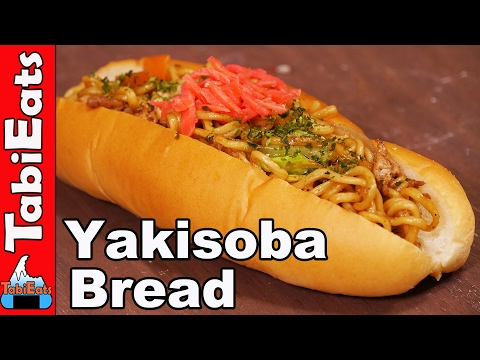
Slice hot dog rolls lengthwise without cutting through. Fill each with a portion of yakisoba mixture, then top with pickled ginger and sesame seeds.Assemble rolls only when noodles are warm, not hot, to maintain bread integrity and prevent condensation.
Recommended Equipment

Nutrition Facts
Servings 4
Serving Size 1 portion
- Amount Per Serving
- Calories 401.05kcal
- % Daily Value *
- Total Fat 9.57g15%
- Saturated Fat 1.59g8%
- Sodium 1027.28mg43%
- Potassium 285.3mg9%
- Total Carbohydrate 66.48g23%
- Dietary Fiber 3.7g15%
- Sugars 9.03g
- Protein 11.66g24%
- Vitamin A 2113.46 IU
- Vitamin C 11.55 mg
- Calcium 94.83 mg
- Iron 2.43 mg
- Vitamin E 0.86 mg
- Vitamin K 35.29 mcg
- Thiamin 0.31 mg
- Riboflavin 0.18 mg
- Niacin 2.93 mg
- Vitamin B6 0.17 mg
- Folate 65.62 mcg
- Vitamin B12 0.09 mcg
- Pantothenic Acid 0.33 mg
- Phosphorus 158.29 mg
- Magnesium 46.01 mg
- Zinc 1.17 mg
- Selenium 43.52 mcg
- Copper 0.24 mg
- Manganese 0.8 mg
* Nutrition information is provided as an estimate per serving and may vary depending on the ingredients, brands, substitutions, portion sizes and preparation methods used. Percent Daily Values (%DV) are based on U.S. FDA reference values for a 2,000-calorie diet and are intended as a general guide only. Individual nutritional needs vary. This information is not a substitute for advice from a registered dietitian or other qualified healthcare professional.
Note
Use sterilised containers and ensure full submersion where applicable to maintain product safety and prevent microbial instability during storage. The resting phase supports structural stabilisation and moisture redistribution. Cutting or serving too early may compromise internal balance. When reheating crisp components, use dry heat rather than microwave methods to maintain exterior texture. Monitor seasoning levels after storage, as salt perception can shift once chilled.


