
Recipe Snapshot
Recipe at a Glance
Key timing, yield and style details before you start cooking.
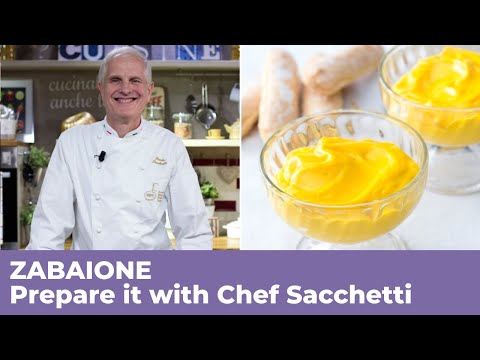
Zabaglione, a luxurious Italian dessert, blends egg yolks, sugar, and sweet wine into a frothy, custard-like delight that dances on the palate. This indulgent treat can be served warm or chilled, often accompanied by fresh fruits, cookies, or even delicate pastries, making it a versatile finale for any meal.
The Sweet Origins of Zabaglione
A Taste of Italy
Zabaglione traces its roots back to the 16th century, emerging from the heart of Italy, particularly in the regions of Piedmont and Lombardy. The dessert was originally crafted as a celebratory dish, often enjoyed during festive occasions or family gatherings. Its name, derived from the Italian word “zabaione,” reflects its rich, creamy texture and the joyful spirit it embodies. Over the centuries, zabaglione has become a staple in Italian cuisine, cherished not just for its flavor but also for the social moments it inspires when shared among loved ones.
The Art of Creating Zabaglione
Unique Ingredients
At its core, this recipe requires just a few exceptional ingredients: fresh egg yolks, sugar, and a sweet wine such as Marsala or Vin Santo. The quality of these ingredients is paramount; opt for organic eggs with vibrant yolks and a high-quality wine to elevate the dish. The interaction between the rich egg yolks and the sugar creates a luscious base that, when whisked vigorously over gentle heat, transforms into a velvety foam that is nothing short of magic.
Flavors and Techniques
The beauty of zabaglione lies not only in its flavor but also in its texture. The process involves a delicate balance of heat and whisking, where incorporating air into the mixture is crucial. This technique gives the dessert its lightness, creating an ethereal experience as it melts in your mouth. The sweet wine adds depth and complexity, balancing the richness of the egg yolks with a hint of acidity. As you stand over the stove, whisking with passion, you’ll find that this dish embodies the very essence of Italian cooking—simple yet elegant, rustic yet refined.
Zabaglione is more than just a dessert; it’s a celebration of life’s sweetest moments, inviting you to indulge and enjoy the fruits of your labor.
Recipe Education
Learn the Skills Behind This Recipe
Build confidence with cooking skills, techniques, and tools used in this recipe.
Simmer vs Boil
Learn when to simmer, when to boil, and how each affects recipe results.
Recommended for the simmer method used in this recipe.
Cookware Guide
Learn which pots and pans work best for frying, sautéing, simmering, and roasting.
Helpful when using saucepan during preparation.
Baking Tools Guide
Understand essential tools for mixing, measuring, and preparing recipes.
Helpful when using mixing bowl during preparation.


Zabaglione
Description
Zabaglione is a traditional Italian custard made from egg yolks, sugar, and sweet wine, whisked to creamy perfection. It’s a delightful, airy dessert that feels indulgent yet is surprisingly simple to prepare.
(Italian Custard with Marsala)
Ingredients
Ingredients for Classic Zabaglione
Instructions
Preparation of Ingredients
Gather Your Ingredients
Collect egg yolks, sugar, and your choice of sweet wine (Marsala is traditional). Ensure all ingredients are fresh for the best results.Using room temperature eggs will help achieve a smoother texture.
Mixing the Base
Whisk Egg Yolks and Sugar
In a heatproof bowl, combine the egg yolks and sugar. Using a whisk, beat the mixture until it becomes pale and slightly thickened, which usually takes about 2-3 minutes.This step is crucial for achieving the right texture; ensure the sugar is fully dissolved.
Cooking the Zabaglione
Set Up a Double Boiler
Place the bowl with the egg mixture over a pot of simmering water, ensuring the bowl does not touch the water. This gentle heat is vital to prevent scrambling the eggs.Keep the water at a simmer, not a boil, to maintain a steady, gentle cooking temperature.Add the Wine
Gradually pour in the sweet wine while continuously whisking the mixture. This should take about 10 minutes, and the mixture should double in volume and become fluffy.Whisk vigorously to incorporate air; this will create a light and airy texture.
Finishing Touches
Remove from Heat and Cool
Once the mixture is light and frothy, remove it from the heat. Allow it to cool slightly before serving.You can serve it warm or chilled, depending on your preference.
Serving Suggestions
Serve with Accompaniments
Zabaglione can be served on its own or paired with fresh berries, cookies, or a drizzle of chocolate sauce for added flavor.Consider garnishing with a sprig of mint or a dusting of cocoa powder for an elegant presentation.

Nutrition Facts
Servings 4
- Amount Per Serving
- Calories 199.68kcal
- % Daily Value *
- Total Fat 4.59g8%
- Saturated Fat 1.62g9%
- Cholesterol 183.6mg62%
- Sodium 20.84mg1%
- Potassium 47.03mg2%
- Total Carbohydrate 29.68g10%
- Sugars 27.41g
- Protein 2.76g6%
- Vitamin A 245.14 IU
- Calcium 24.62 mg
- Iron 0.55 mg
- Vitamin D 0.92 mcg
- Vitamin E 0.44 mg
- Thiamin 0.04 mg
- Riboflavin 0.1 mg
- Vitamin B6 0.06 mg
- Folate 24.82 mcg
- Vitamin B12 0.33 mcg
- Pantothenic Acid 0.52 mg
- Phosphorus 69.04 mg
- Zinc 0.41 mg
- Selenium 9.82 mcg
- Copper 0.03 mg
- Manganese 0.05 mg
* Nutrition information is provided as an estimate per serving and may vary depending on the ingredients, brands, substitutions, portion sizes and preparation methods used. Percent Daily Values (%DV) are based on U.S. FDA reference values for a 2,000-calorie diet and are intended as a general guide only. Individual nutritional needs vary. This information is not a substitute for advice from a registered dietitian or other qualified healthcare professional.
Note
- Use fresh, high-quality ingredients: large egg yolks, granulated sugar, and a good dessert wine such as Marsala or Vin Santo.
- Ensure that the bowl used for whisking the egg yolks is heatproof and fits snugly over a saucepan for the double boiler method.
- Whisk the egg yolks and sugar together until pale and creamy, which helps achieve a smooth texture.
- Gradually add the wine while whisking continuously to prevent the eggs from curdling.
- Maintain a gentle simmer in the saucepan to create steam, avoiding direct contact with boiling water to control the temperature.
- Whisk vigorously to incorporate air, aiming for a light and frothy consistency that should form soft peaks.
- Serve immediately for the best texture, as zabaglione can deflate if left to sit too long.
- Consider flavor variations by infusing spices like vanilla, orange zest, or even a splash of liqueur for added depth.
- Pair with fresh berries, biscotti, or a light sponge cake for a delightful contrast in flavors and textures.
- For a modern twist, consider serving it chilled with a layer of fruit compote at the bottom of the glass.


User Reviews
this is such a lovely dessert. light, creamy and perfect with fruit on the side